THE ADVENTURE COLLECTIVE® · Independent discovery and booking for outdoor travel

Spend a full day tracing 1620 history on a private trip from Boston to Plymouth. Visit Plymouth Rock, tour the Mayflower II, and explore the living-history Plimoth Patuxet museum before a harbor walk and free time downtown.
Spend a full day tracing 1620 history on a private trip from Boston to Plymouth. Visit Plymouth Rock, tour the Mayflower II, and explore the living-history Plimoth Patuxet museum before a harbor walk and free time downtown.
A cool Atlantic breeze meets the bus as it eases into Plymouth Harbor, and the town’s low-slung harborfront unfolds with gulls and wooden piers. Visitors step off the vehicle into a place where stone and sea hold a specific kind of gravity: Pilgrim Rock, the full-scale Mayflower replica, and the quiet stones of Burial Hill that watch the harbor below.
Verified experiences and guided adventures in the surrounding area.
Operated by Boston Preferred Car Service · Plymouth, Massachusetts
A cool Atlantic breeze meets the bus as it eases into Plymouth Harbor, and the town’s low-slung harborfront unfolds with gulls and wooden piers. Visitors step off the vehicle into a place where stone and sea hold a specific kind of gravity: Pilgrim Rock, the full-scale Mayflower replica, and the quiet stones of Burial Hill that watch the harbor below.
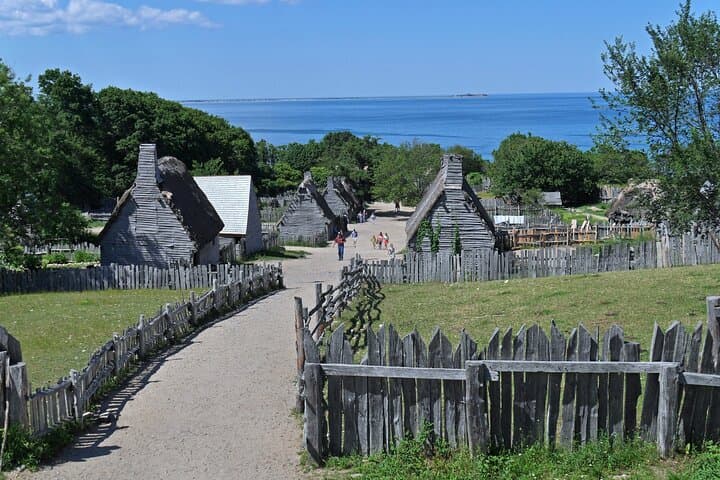
Plymouth is both colonial landmark and living coastline. Geologically the area is glacial—solid granite outcrops and well-drained sandy soils shaped by the last Ice Age—while culturally it sits on the ancestral lands of the Wampanoag people, a history foregrounded at Plimoth Patuxet alongside reenacted 17th-century English settlement life. Museums here catalog artifacts while costumed interpreters reconstruct day-to-day skills; the National Monument to the Forefathers offers one of the nation’s largest granite memorials.
Practical notes: the itinerary is compact and mostly flat—expect 1–2 miles of walking in town, with minimal elevation. Allow a full day (about 8–9 hours) for travel time and site visits; tickets for indoor attractions are often purchased on-site. Wear comfortable walking shoes, bring a refillable water bottle, and plan for wind off the harbor that can make midday temperatures feel cooler. Midweek mornings are best for smaller crowds at the Mayflower II and Plimoth Patuxet. The experience balances curated history with hands-on interpretation and a short, restorative stretch of coastal scenery—accessible to most travelers but rich with context if you arrive curious and prepared.
easy.
8–9 hours.
Light walking ability; comfortable standing and short strolls over flat to slightly uneven surfaces.
No; this private day trip includes transportation and guide time but most site admissions are paid separately—book tickets online or on arrival.
Expect roughly a 50–75 minute drive depending on traffic; plan for peak travel times near holiday weekends to add slurry minutes.
Light refreshments like bottled water may be included, but lunch at Plimoth Patuxet’s café or downtown restaurants is typically an additional cost—book ahead for larger groups.
The tour aims to be accessible—main roads, museums, and many exhibits are accessible, though some outdoor historical reconstructions have uneven surfaces and may require assistance.
Plymouth marks the 1620 landing of English Pilgrims and sits within Wampanoag territory; Plimoth Patuxet presents both settler and Indigenous perspectives through artifact collections and living history.
Coastal erosion and habitat protection are active concerns—stay on marked paths, pack out trash, and support local museums that fund historic-site stewardship.
Boston Preferred Car Service operates guided outdoor trips and adventures with an emphasis on safety, stewardship, and memorable experiences.
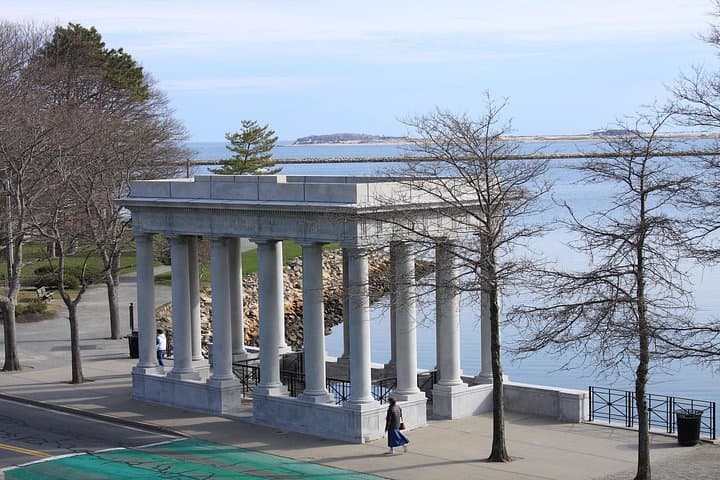
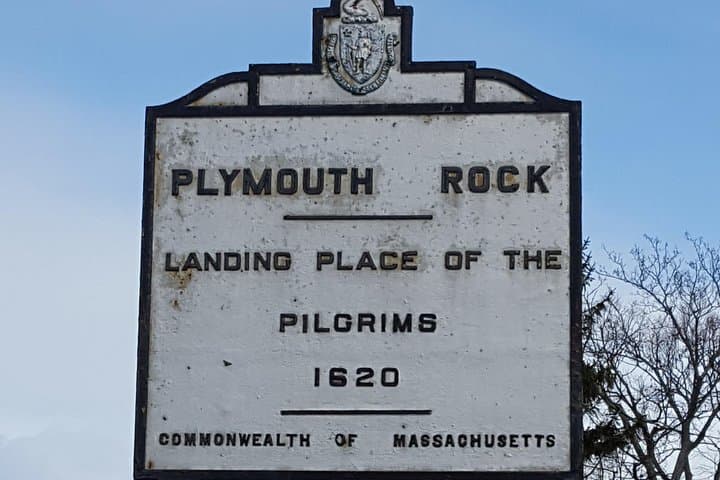

A cool Atlantic breeze meets the bus as it eases into Plymouth Harbor, and the town’s low-slung harborfront unfolds with gulls and wooden piers. Visitors step off the vehicle into a place where stone and sea hold a specific kind of gravity: Pilgrim Rock, the full-scale Mayflower replica, and the quiet stones of Burial Hill that watch the harbor below.
A cool Atlantic breeze meets the bus as it eases into Plymouth Harbor, and the town’s low-slung harborfront unfolds with gulls and wooden piers. Visitors step off the vehicle into a place where stone and sea hold a specific kind of gravity: Pilgrim Rock, the full-scale Mayflower replica, and the quiet stones of Burial Hill that watch the harbor below.
Plymouth is both colonial landmark and living coastline. Geologically the area is glacial—solid granite outcrops and well-drained sandy soils shaped by the last Ice Age—while culturally it sits on the ancestral lands of the Wampanoag people, a history foregrounded at Plimoth Patuxet alongside reenacted 17th-century English settlement life. Museums here catalog artifacts while costumed interpreters reconstruct day-to-day skills; the National Monument to the Forefathers offers one of the nation’s largest granite memorials.
Practical notes: the itinerary is compact and mostly flat—expect 1–2 miles of walking in town, with minimal elevation. Allow a full day (about 8–9 hours) for travel time and site visits; tickets for indoor attractions are often purchased on-site. Wear comfortable walking shoes, bring a refillable water bottle, and plan for wind off the harbor that can make midday temperatures feel cooler. Midweek mornings are best for smaller crowds at the Mayflower II and Plimoth Patuxet. The experience balances curated history with hands-on interpretation and a short, restorative stretch of coastal scenery—accessible to most travelers but rich with context if you arrive curious and prepared.