THE ADVENTURE COLLECTIVE® · Independent discovery and booking for outdoor travel

Walk the streets where Boston’s most infamous crimes and investigations unfolded. This 2 hour 20 minute guided tour threads colonial sites, mob landmarks, and cinematic locations into a compact urban history.
Walk the streets where Boston’s most infamous crimes and investigations unfolded. This 2 hour 20 minute guided tour threads colonial sites, mob landmarks, and cinematic locations into a compact urban history.
The crowd thins on Atlantic Avenue and the salt-slick harbor air pushes a story forward — you step off the curb and into streets that still keep score. Over the next two hours you’ll move through narrow alleys, past brick tenements and parks where whispers of scandal stick to lamp posts, guided by narration that balances dark facts with sharp, local humor.
Verified experiences and guided adventures in the surrounding area.
Operated by Boston Crime Tours · Boston, Massachusetts
The crowd thins on Atlantic Avenue and the salt-slick harbor air pushes a story forward — you step off the curb and into streets that still keep score. Over the next two hours you’ll move through narrow alleys, past brick tenements and parks where whispers of scandal stick to lamp posts, guided by narration that balances dark facts with sharp, local humor.
Boston’s criminal past is layered: colonial unrest, 19th‑century gang networks in the North End, Prohibition-era bootlegging, and FBI sting operations that read like procedural dramas. The walk intersects with visible geology — granite curbs and reclaimed waterfront land — and cultural touchstones: Paul Revere’s house, Italian enclave parks, and former mob headquarters that sit beside modern glass towers. The route shows how trade, immigration, and law enforcement shaped neighborhoods and how cinematic portrayals (think The Departed) drew on real streets.
Expect mostly flat urban terrain, about 1.5–2 miles total over 140 minutes with frequent stops for storytelling and photo opportunities. Surfaces alternate between sidewalks, cobbles and park paths; mobility access is available but some sections can be uneven. The tour mixes history with hard facts about crime and investigation — it’s factual, sometimes dark, and often conversational rather than theatrical.
Practical tips: arrive 10–15 minutes early at the Atlantic Avenue meeting spot, wear supportive shoes for cobbles, and bring a refillable water bottle. Public transit and accessible options are nearby. If you prefer quieter neighborhoods, choose a smaller group or a weekday slot — evenings can be lively and crowded.
moderate.
2–2.5 hours.
Suitable for people with moderate fitness — mostly walking with periodic standing during narratives.
The tour runs about 140 minutes and covers roughly 1.5–2 miles with several stops for stories and photos.
The operator lists wheelchair accessibility for most areas, but some uneven cobbles and narrow sidewalks can be challenging—contact the provider if you need specific accommodations.
Yes, but content includes dark historical events; guardians should evaluate whether stories are appropriate for younger children.
Tours may be canceled in severe weather; mild rain typically proceeds—bring rain protection and check the operator’s cancellation policy.
The route ties colonial-era sites to 20th‑century organized crime, showing how Boston’s port and immigrant neighborhoods shaped both legitimate commerce and criminal networks.
Walks through busy urban areas benefit from staying on sidewalks, minimizing noise and litter; support local businesses and respect memorial sites to reduce impact.
Boston Crime Tours operates guided outdoor trips and adventures with an emphasis on safety, stewardship, and memorable experiences.
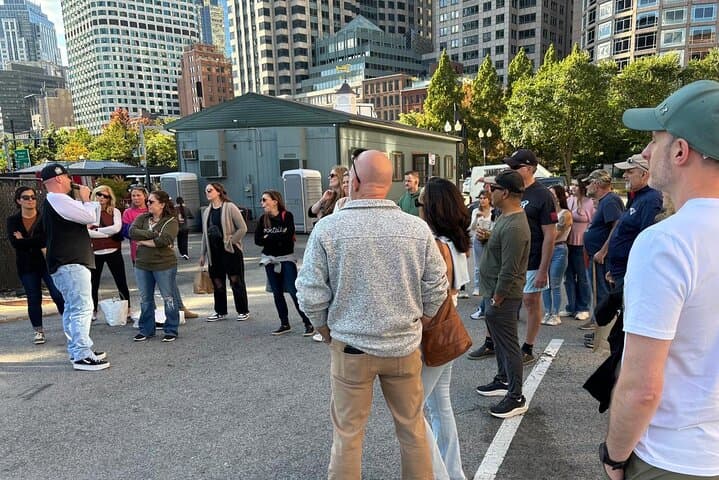
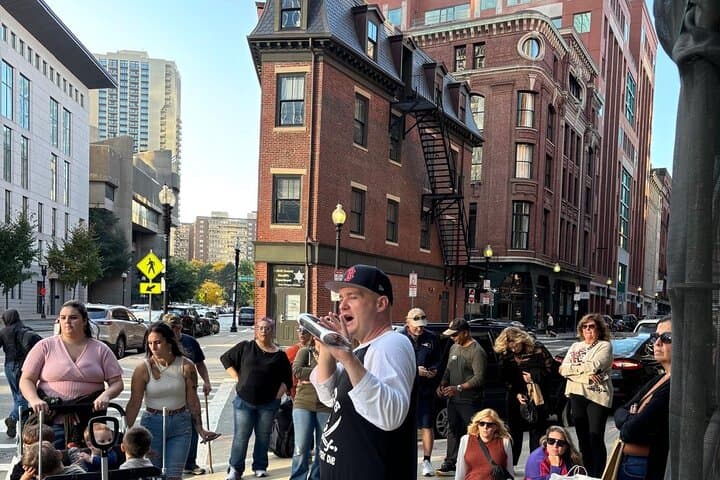
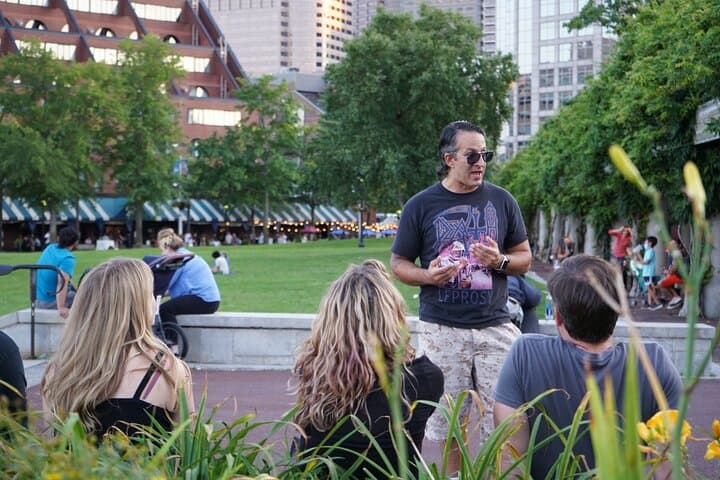
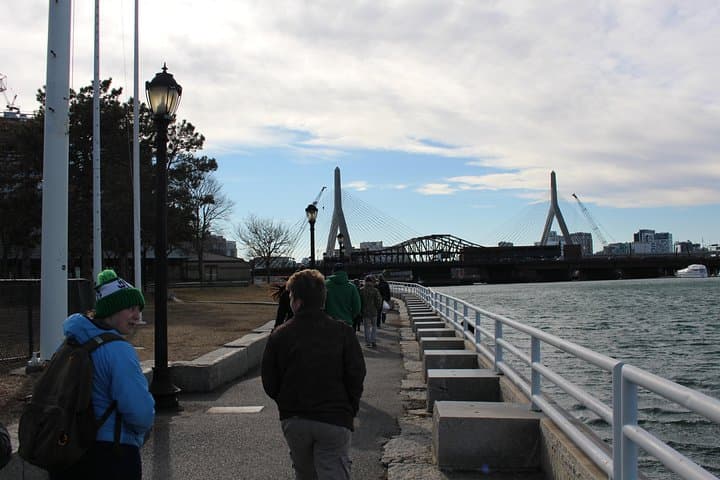
The crowd thins on Atlantic Avenue and the salt-slick harbor air pushes a story forward — you step off the curb and into streets that still keep score. Over the next two hours you’ll move through narrow alleys, past brick tenements and parks where whispers of scandal stick to lamp posts, guided by narration that balances dark facts with sharp, local humor.
The crowd thins on Atlantic Avenue and the salt-slick harbor air pushes a story forward — you step off the curb and into streets that still keep score. Over the next two hours you’ll move through narrow alleys, past brick tenements and parks where whispers of scandal stick to lamp posts, guided by narration that balances dark facts with sharp, local humor.
Boston’s criminal past is layered: colonial unrest, 19th‑century gang networks in the North End, Prohibition-era bootlegging, and FBI sting operations that read like procedural dramas. The walk intersects with visible geology — granite curbs and reclaimed waterfront land — and cultural touchstones: Paul Revere’s house, Italian enclave parks, and former mob headquarters that sit beside modern glass towers. The route shows how trade, immigration, and law enforcement shaped neighborhoods and how cinematic portrayals (think The Departed) drew on real streets.
Expect mostly flat urban terrain, about 1.5–2 miles total over 140 minutes with frequent stops for storytelling and photo opportunities. Surfaces alternate between sidewalks, cobbles and park paths; mobility access is available but some sections can be uneven. The tour mixes history with hard facts about crime and investigation — it’s factual, sometimes dark, and often conversational rather than theatrical.
Practical tips: arrive 10–15 minutes early at the Atlantic Avenue meeting spot, wear supportive shoes for cobbles, and bring a refillable water bottle. Public transit and accessible options are nearby. If you prefer quieter neighborhoods, choose a smaller group or a weekday slot — evenings can be lively and crowded.