THE ADVENTURE COLLECTIVE® · Independent discovery and booking for outdoor travel

Set off from Cibali and glide the strait that divides continents: a private yacht route past Galata Bridge, Ottoman palaces, the Maiden’s Tower and optional swimming at the Princes’ Islands. Expect cultural landmarks, shifting currents and on-board comforts for a flexible 2–10 hour outing.
Set off from Cibali and glide the strait that divides continents: a private yacht route past Galata Bridge, Ottoman palaces, the Maiden’s Tower and optional swimming at the Princes’ Islands. Expect cultural landmarks, shifting currents and on-board comforts for a flexible 2–10 hour outing.
You push off from the quay behind Cibali tramway station and the city exhales — calls to prayer and ferry horns fade as the bow cuts into the current. The Bosphorus answers by ushering the yacht between steel cables and stone palaces, drawing the European shore closer one minute and the Asian slope the next.
Verified experiences and guided adventures in the surrounding area.
Operated by The Orca Travel · Istanbul, Istanbul
You push off from the quay behind Cibali tramway station and the city exhales — calls to prayer and ferry horns fade as the bow cuts into the current. The Bosphorus answers by ushering the yacht between steel cables and stone palaces, drawing the European shore closer one minute and the Asian slope the next.
This waterway has been a crossroads since Byzantium: Roman and Byzantine fortifications give way to Ottoman waterfront palaces and republican-era promenades. Geologically the strait is a narrow, tectonic-fault–influenced channel where Black Sea currents meet Marmara tides; that constant flow defines navigation and the changing faces of the shoreline.
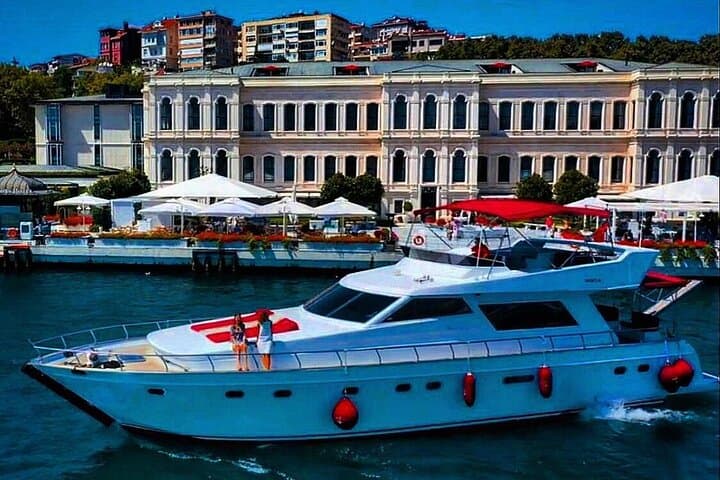
Culturally, the route reads like a layered map — fishermen under Galata Bridge, the marble curves of Dolmabahçe, fortress walls at Rumeli Hisarı, and the small, song-filled silhouette of the Maiden’s Tower. If you opt for the Princes’ Islands swim extension, warm summer water and sheltered anchorages make for straightforward floating and cliff-side chairing.
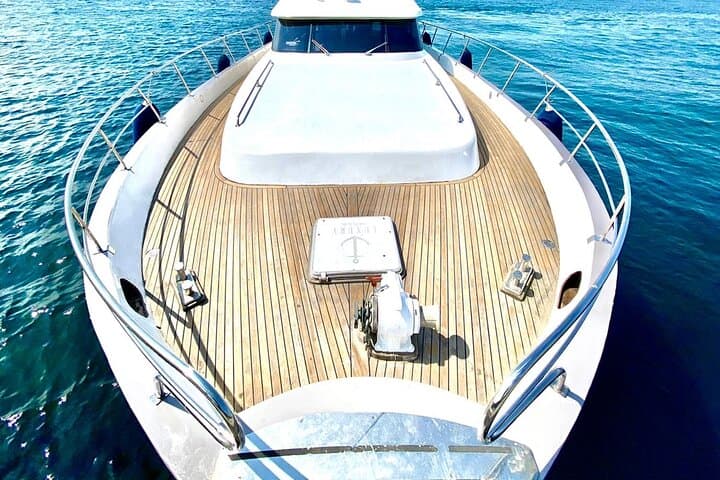
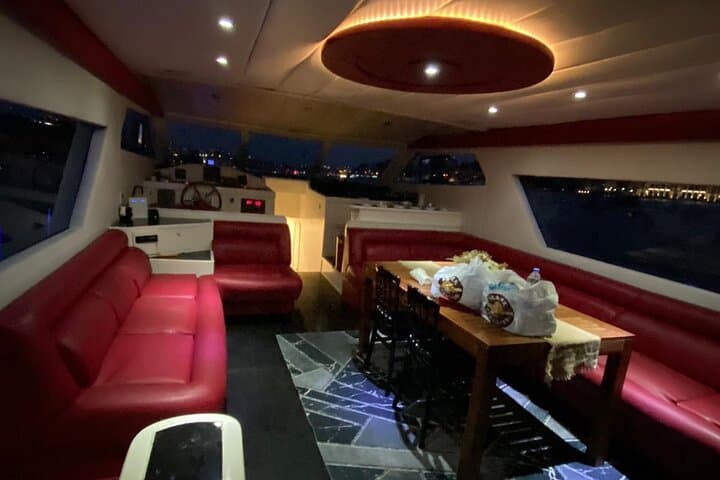
Practically: departures begin at Cibali; private tours commonly run 2–4 hours with options up to a full-day swimming trip. Boats typically include on-board restrooms and tea/coffee; licensed operators provide lifejackets and a captain familiar with narrow passages and bridge clearances. Bring sunscreen, a light wind layer, non-slip shoes for boarding, and medication if you’re prone to seasickness. Aim for late afternoon to catch the light on palace facades and both continental skylines.
The Bosphorus isn’t passive — its current and ferries demand respect — but it rewards measured curiosity: visible history, sudden gulfs of calm, and a city that keeps both sides talking to one another.
easy.
2–10 hours.
Suitable for most fitness levels; requires ability to step on/off a small yacht and stand on deck for viewing.
The meeting point is behind Cibali tramway station on the Golden Horn; operators will confirm exact quay details on booking.
Yes — the operator runs an extended Bosphorus + Princes’ Islands swimming option (typically a full-day itinerary); bring swimwear and a towel.
Yes, the yachts include on-board restrooms and basic tea/coffee service as noted in the inclusions.
Families can attend; infants may sit on laps and infant seats are available, but check age-specific guidance and safety arrangements when booking.
The Bosphorus has linked continents and empires for over two millennia, bearing Byzantine walls, Ottoman palaces and modern harbors along its banks.
Heavy traffic and shoreline development stress local ecosystems; choose licensed operators who follow waste-disposal rules and avoid anchoring on sensitive seabeds.
The Orca Travel operates guided outdoor trips and adventures with an emphasis on safety, stewardship, and memorable experiences.
You push off from the quay behind Cibali tramway station and the city exhales — calls to prayer and ferry horns fade as the bow cuts into the current. The Bosphorus answers by ushering the yacht between steel cables and stone palaces, drawing the European shore closer one minute and the Asian slope the next.
You push off from the quay behind Cibali tramway station and the city exhales — calls to prayer and ferry horns fade as the bow cuts into the current. The Bosphorus answers by ushering the yacht between steel cables and stone palaces, drawing the European shore closer one minute and the Asian slope the next.
This waterway has been a crossroads since Byzantium: Roman and Byzantine fortifications give way to Ottoman waterfront palaces and republican-era promenades. Geologically the strait is a narrow, tectonic-fault–influenced channel where Black Sea currents meet Marmara tides; that constant flow defines navigation and the changing faces of the shoreline.
Culturally, the route reads like a layered map — fishermen under Galata Bridge, the marble curves of Dolmabahçe, fortress walls at Rumeli Hisarı, and the small, song-filled silhouette of the Maiden’s Tower. If you opt for the Princes’ Islands swim extension, warm summer water and sheltered anchorages make for straightforward floating and cliff-side chairing.
Practically: departures begin at Cibali; private tours commonly run 2–4 hours with options up to a full-day swimming trip. Boats typically include on-board restrooms and tea/coffee; licensed operators provide lifejackets and a captain familiar with narrow passages and bridge clearances. Bring sunscreen, a light wind layer, non-slip shoes for boarding, and medication if you’re prone to seasickness. Aim for late afternoon to catch the light on palace facades and both continental skylines.
The Bosphorus isn’t passive — its current and ferries demand respect — but it rewards measured curiosity: visible history, sudden gulfs of calm, and a city that keeps both sides talking to one another.