THE ADVENTURE COLLECTIVE® · Independent discovery and booking for outdoor travel

Spend a full day moving from Boseong’s sculpted green tea terraces to the sprawling reed beds of Suncheonman Bay. This easy-paced tour pairs agricultural culture, designed gardens, and bird-rich wetlands — ideal for curious walkers and photographers.
Spend a full day moving from Boseong’s sculpted green tea terraces to the sprawling reed beds of Suncheonman Bay. This easy-paced tour pairs agricultural culture, designed gardens, and bird-rich wetlands — ideal for curious walkers and photographers.
Standing on the low ridge above Daehan Dawon, the rows of tea bushes march across the hillside, their clipped faces catching morning light while cedar trees mark the entrance like sentries. On clear days the sea glints beyond the green, and a light breeze sets the tea leaves to a quiet motion that feels almost deliberate — the landscape coaxing you to slow your pace.
Verified experiences and guided adventures in the surrounding area.
Operated by Dorawayo experience activity · Suncheon, Jeollanam-do
Standing on the low ridge above Daehan Dawon, the rows of tea bushes march across the hillside, their clipped faces catching morning light while cedar trees mark the entrance like sentries. On clear days the sea glints beyond the green, and a light breeze sets the tea leaves to a quiet motion that feels almost deliberate — the landscape coaxing you to slow your pace.
This one-day itinerary links Boseong’s long association with green tea cultivation to Suncheon’s restored wetlands and designed national garden. Geologically the region is low coastal plain and gentle hills carved by streams that feed Suncheon Bay; culturally it reflects Jeollanam-do’s agrarian rhythms and a modern push to protect migratory bird habitat. Suncheonman Bay’s reed beds are the largest in Korea and host dozens of migratory species, while Suncheon National Garden displays horticultural design across species and seasonal flowerings.
Practical guidance: the full tour runs roughly 17–18 hours door-to-door on public transport and local transfers, so plan for a long day with several easy walks and some short uphill sections to viewpoints. Wear sturdy walking shoes with good traction for muddy patches in reed areas, carry sun and rain protection, and bring a refillable bottle — bottled water is usually provided but refills help reduce plastic. Expect modest walking speed, photography stops, a seated lunch and unmanned shuttle segments inside the garden. Respect wildlife viewing distances in the wetland — binoculars outperform loud approaches. For travelers who want a focused photo or birding day, consider arriving earlier and skipping the garden’s longest loop; otherwise, this route balances scenic tea terraces, designed gardens, and wild reed flats in one compact, very Korean day of landscape and flavor.
moderate.
17–18 hours.
Moderate fitness: mostly easy walking with some short uphill sections and extended time on your feet
The tour is a full-day experience of about 17–18 hours, using public train and bus segments with local transfers; the itinerary includes walking at each site and shuttle use inside the garden.
Yes for most, but travelers should have moderate mobility — there are boardwalks, short climbs to viewpoints, and long periods of standing or walking.
Lunch (including some beverages) and entrance fees for the stated sites are included; bottled water and tea ice cream treats are typically provided as noted.
You may see migratory and sometimes endangered species like cranes or spoonbills, but sightings depend on season and distance — bring binoculars and follow viewing guidelines.
Boseong has been Korea’s primary green tea region for over a century, with terraces shaped by generations of cultivation; Suncheon’s wetland reserve is a recent conservation response to growing development pressure.
Suncheonman Bay is protected to preserve migratory bird habitat and reed ecosystems; visitors should stay on paths, avoid disturbing birds, and minimize single-use plastics.
Dorawayo experience activity operates guided outdoor trips and adventures with an emphasis on safety, stewardship, and memorable experiences.
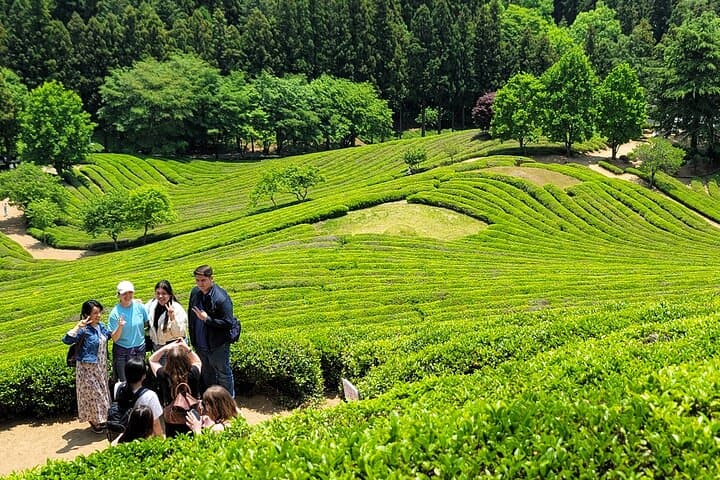
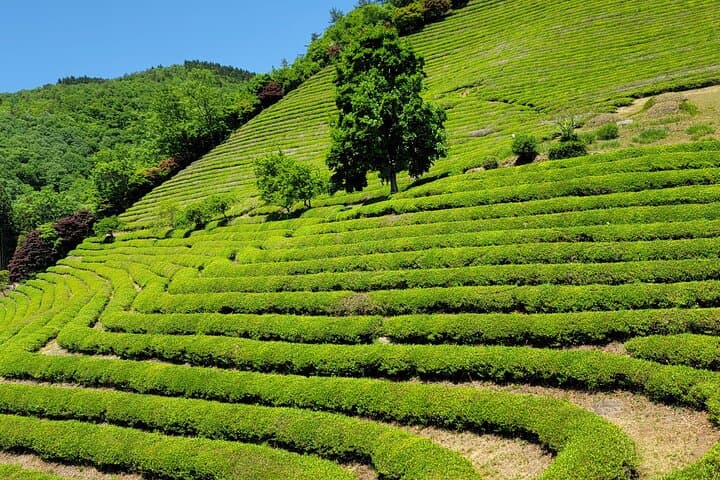
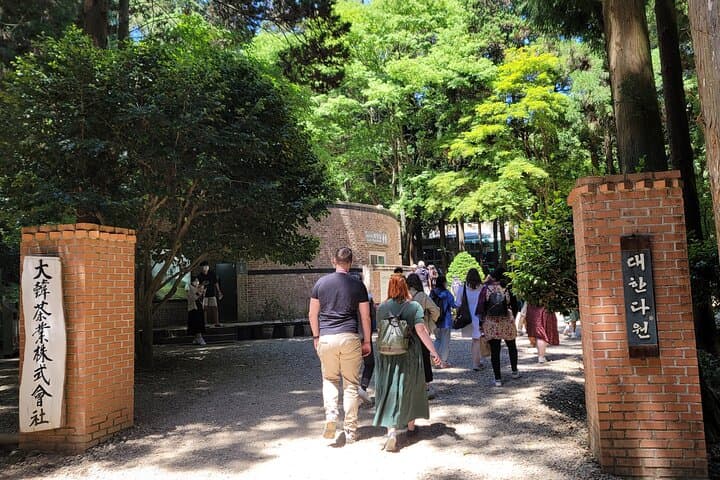
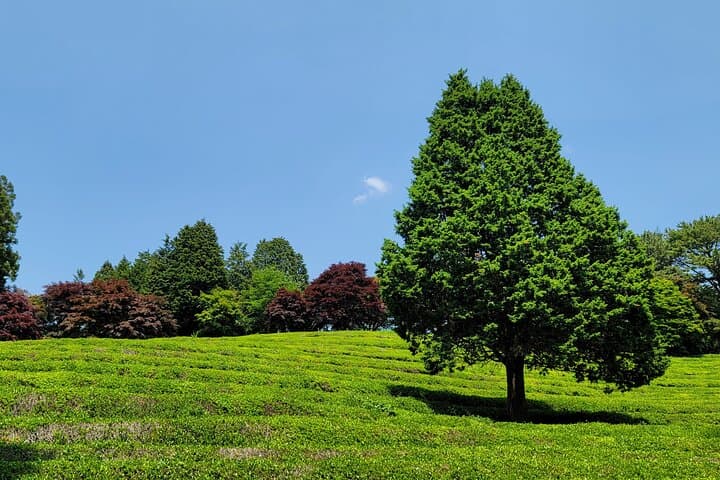
Standing on the low ridge above Daehan Dawon, the rows of tea bushes march across the hillside, their clipped faces catching morning light while cedar trees mark the entrance like sentries. On clear days the sea glints beyond the green, and a light breeze sets the tea leaves to a quiet motion that feels almost deliberate — the landscape coaxing you to slow your pace.
Standing on the low ridge above Daehan Dawon, the rows of tea bushes march across the hillside, their clipped faces catching morning light while cedar trees mark the entrance like sentries. On clear days the sea glints beyond the green, and a light breeze sets the tea leaves to a quiet motion that feels almost deliberate — the landscape coaxing you to slow your pace.
This one-day itinerary links Boseong’s long association with green tea cultivation to Suncheon’s restored wetlands and designed national garden. Geologically the region is low coastal plain and gentle hills carved by streams that feed Suncheon Bay; culturally it reflects Jeollanam-do’s agrarian rhythms and a modern push to protect migratory bird habitat. Suncheonman Bay’s reed beds are the largest in Korea and host dozens of migratory species, while Suncheon National Garden displays horticultural design across species and seasonal flowerings.
Practical guidance: the full tour runs roughly 17–18 hours door-to-door on public transport and local transfers, so plan for a long day with several easy walks and some short uphill sections to viewpoints. Wear sturdy walking shoes with good traction for muddy patches in reed areas, carry sun and rain protection, and bring a refillable bottle — bottled water is usually provided but refills help reduce plastic. Expect modest walking speed, photography stops, a seated lunch and unmanned shuttle segments inside the garden. Respect wildlife viewing distances in the wetland — binoculars outperform loud approaches. For travelers who want a focused photo or birding day, consider arriving earlier and skipping the garden’s longest loop; otherwise, this route balances scenic tea terraces, designed gardens, and wild reed flats in one compact, very Korean day of landscape and flavor.