THE ADVENTURE COLLECTIVE® · Independent discovery and booking for outdoor travel

Visit Borobudur’s terraces and top-level stupas on a focused half-day tour from Yogyakarta, including Mendut and Pawon. This trip pairs guided interpretation, hotel pickup, and practical access so you can explore the reliefs and panoramic views without logistical hassle.
Visit Borobudur’s terraces and top-level stupas on a focused half-day tour from Yogyakarta, including Mendut and Pawon. This trip pairs guided interpretation, hotel pickup, and practical access so you can explore the reliefs and panoramic views without logistical hassle.
You arrive before the crowds — cool volcanic air, rice terraces glinting, and the wide silhouette of Borobudur rising from the plain. Stepping through the compound, stone bells ring the horizon like a low drum; the reliefs curve beneath your fingers where access is allowed, stories of life, law and cosmology engraved into basalt.
Verified experiences and guided adventures in the surrounding area.
Operated by Lovely Borobudur Tours By Asni · Magelang, Central Java
You arrive before the crowds — cool volcanic air, rice terraces glinting, and the wide silhouette of Borobudur rising from the plain. Stepping through the compound, stone bells ring the horizon like a low drum; the reliefs curve beneath your fingers where access is allowed, stories of life, law and cosmology engraved into basalt.
Built in the 8th–9th century by the Sailendra dynasty, Borobudur sits on a remnant of volcanic highland between two rivers. The monument’s concentric terraces and stupa-studded summit are an engineered mandala that encodes Buddhist cosmology, while nearby Mendut and Pawon temples form a ritual axis linking smaller sanctuaries to the main structure.
Culturally, the complex remains a living place—pilgrims and locals use it during Vesak and other processions, and local guides weave iconography into narratives of Javanese syncretism. Geologically, the surrounding plain is fertile volcanic soil; views toward Mount Merapi and Merbabu give the site its dramatic setting.
Practically, this half-day tour covers hotel pickup, an English-speaking guide, entrance to the top level where permitted, and visits to Mendut and Pawon. Expect paved paths with steps, uneven stone underfoot, and periods of standing while listening to interpretation. Bring sun protection, comfortable shoes, and water; mornings are cooler and offer softer light for photography. Respect barriers and signage—some reliefs are protected or restricted. If you want sunrise vistas from nearby Punthuk Setumbu, plan an earlier start or a separate transfer. The site balances accessible interpretation with ongoing conservation work, so follow your guide and allow 3–6 hours for an unhurried visit.
easy.
5–6 hours.
Suitable for most fitness levels—requires walking and climbing stairs but no technical exertion.
The scheduled tour runs about 5–6 hours including hotel pickup, time at Borobudur, and visits to Mendut and Pawon.
Top-level access is included where permitted; access can be restricted for conservation—your guide will confirm current zones.
Yes—free hotel pickup is available within Yogyakarta city; additional charges apply for pickup outside the city area.
Yes, children are welcome but must be accompanied by an adult; terrain includes stairs and uneven stones so supervise younger kids.
Constructed in the 8th–9th century by the Sailendra dynasty, Borobudur is a UNESCO World Heritage site that encodes Buddhist cosmology in its terraces and reliefs.
Visitor movement is managed to protect carved reliefs and stonework; entrance fees and guided visits support ongoing conservation programs and local stewardship.
Lovely Borobudur Tours By Asni operates guided outdoor trips and adventures with an emphasis on safety, stewardship, and memorable experiences.
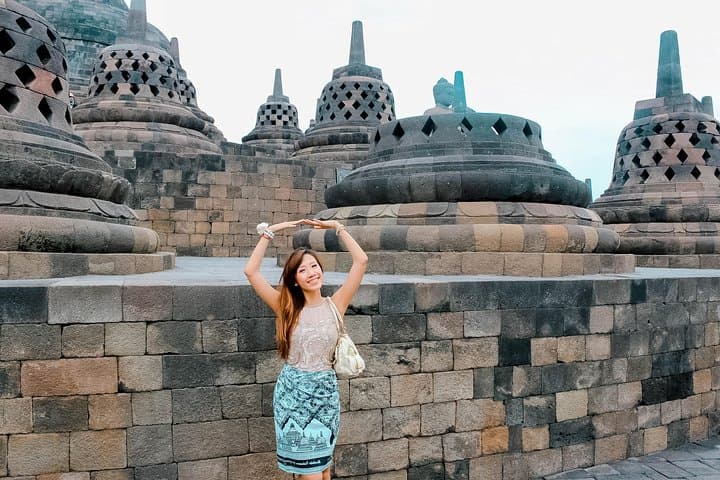
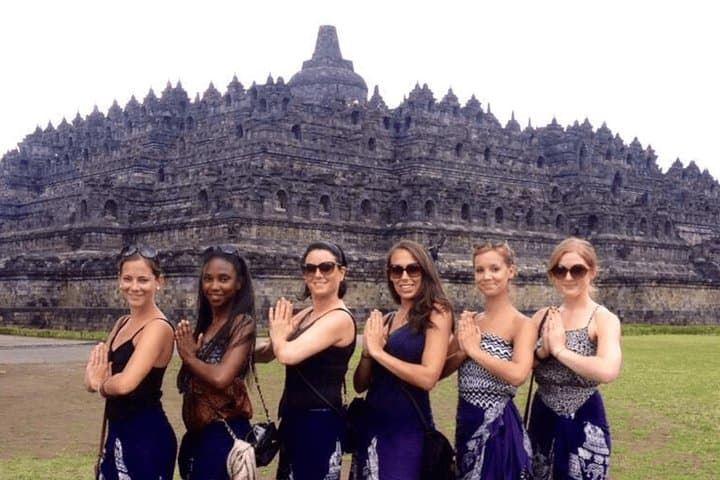
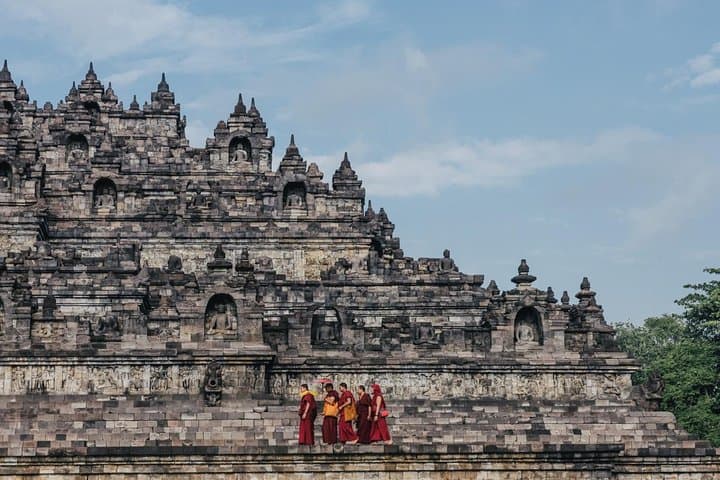
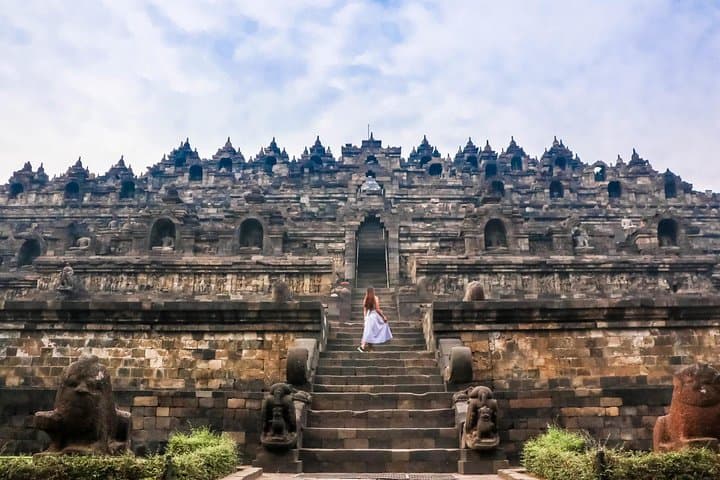
You arrive before the crowds — cool volcanic air, rice terraces glinting, and the wide silhouette of Borobudur rising from the plain. Stepping through the compound, stone bells ring the horizon like a low drum; the reliefs curve beneath your fingers where access is allowed, stories of life, law and cosmology engraved into basalt.
You arrive before the crowds — cool volcanic air, rice terraces glinting, and the wide silhouette of Borobudur rising from the plain. Stepping through the compound, stone bells ring the horizon like a low drum; the reliefs curve beneath your fingers where access is allowed, stories of life, law and cosmology engraved into basalt.
Built in the 8th–9th century by the Sailendra dynasty, Borobudur sits on a remnant of volcanic highland between two rivers. The monument’s concentric terraces and stupa-studded summit are an engineered mandala that encodes Buddhist cosmology, while nearby Mendut and Pawon temples form a ritual axis linking smaller sanctuaries to the main structure.
Culturally, the complex remains a living place—pilgrims and locals use it during Vesak and other processions, and local guides weave iconography into narratives of Javanese syncretism. Geologically, the surrounding plain is fertile volcanic soil; views toward Mount Merapi and Merbabu give the site its dramatic setting.
Practically, this half-day tour covers hotel pickup, an English-speaking guide, entrance to the top level where permitted, and visits to Mendut and Pawon. Expect paved paths with steps, uneven stone underfoot, and periods of standing while listening to interpretation. Bring sun protection, comfortable shoes, and water; mornings are cooler and offer softer light for photography. Respect barriers and signage—some reliefs are protected or restricted. If you want sunrise vistas from nearby Punthuk Setumbu, plan an earlier start or a separate transfer. The site balances accessible interpretation with ongoing conservation work, so follow your guide and allow 3–6 hours for an unhurried visit.