THE ADVENTURE COLLECTIVE® · Independent discovery and booking for outdoor travel

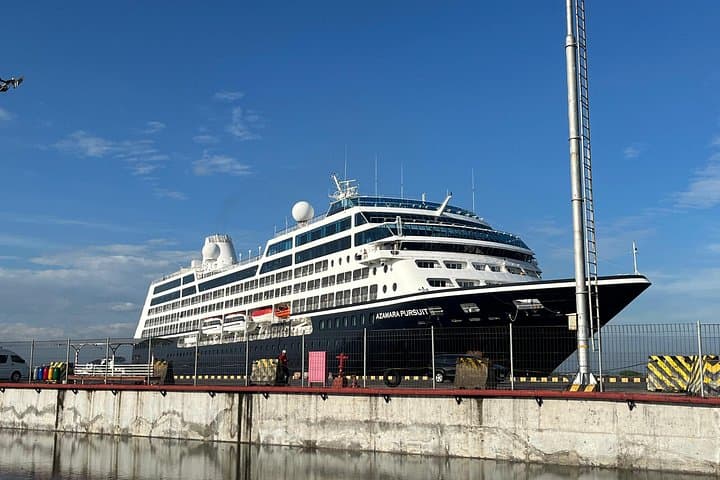
Board a comfortable transfer from Semarang Port and cross Javanese plains to Borobudur, a monumental Buddhist complex carved from volcanic stone. This day tour pairs cultural depth with straightforward logistics—ideal for cruise passengers wanting a focused, respectful visit.
Board a comfortable transfer from Semarang Port and cross Javanese plains to Borobudur, a monumental Buddhist complex carved from volcanic stone. This day tour pairs cultural depth with straightforward logistics—ideal for cruise passengers wanting a focused, respectful visit.
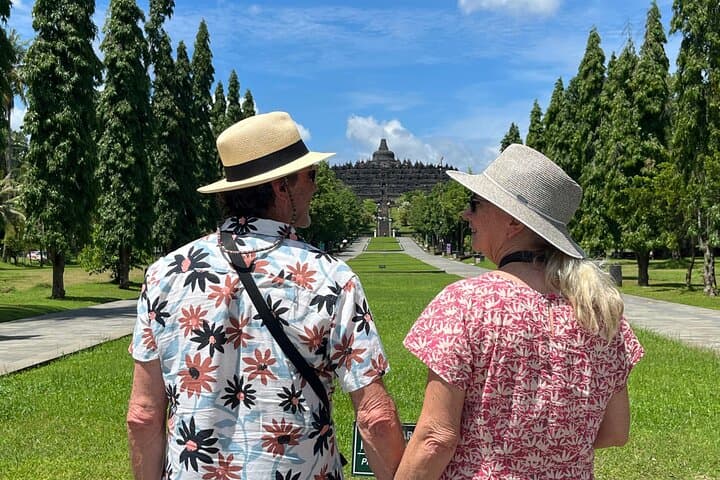
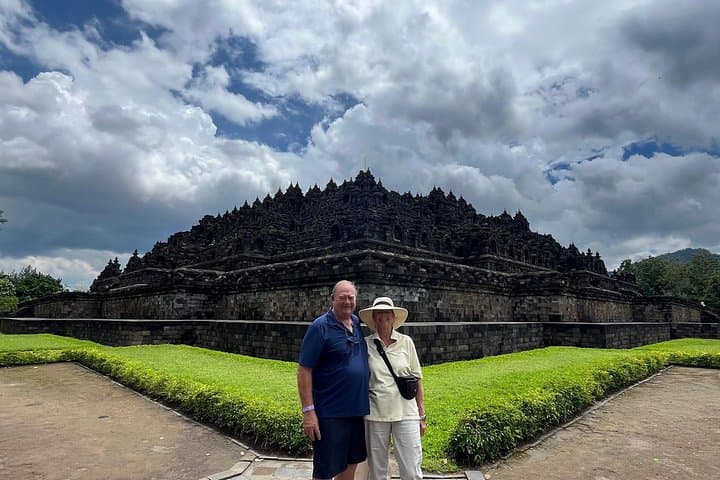
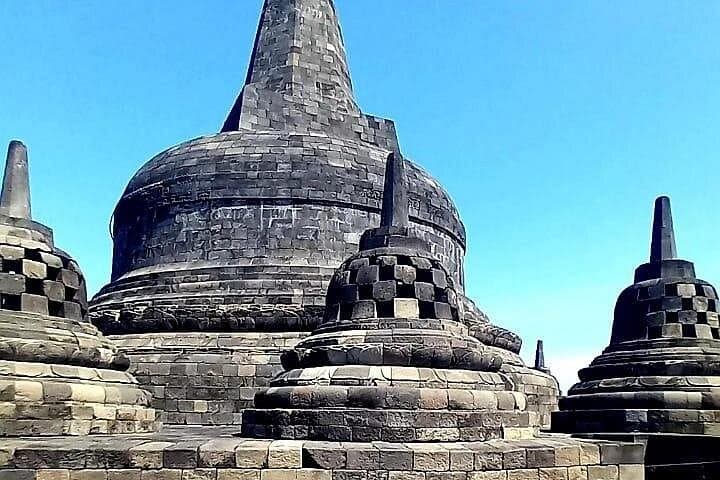
You arrive off the ship into Semarang's harbor heat, and the road unfurls toward volcanic foothills where a stone mountain waits—Borobudur rising in terraces like a memory of carved time. The van slips through rice paddies and small towns; palms lean and the air smells of wet earth after a far-off shower. At the temple, bell-shaped stupas puncture the skyline and relief panels fold into stories of pilgrimage and practice.
Verified experiences and guided adventures in the surrounding area.
Operated by Explore Java Indonesia Semarang · Magelang, Central Java
You arrive off the ship into Semarang's harbor heat, and the road unfurls toward volcanic foothills where a stone mountain waits—Borobudur rising in terraces like a memory of carved time. The van slips through rice paddies and small towns; palms lean and the air smells of wet earth after a far-off shower. At the temple, bell-shaped stupas puncture the skyline and relief panels fold into stories of pilgrimage and practice.
Built in the 8th–9th century under the Sailendra dynasty, Borobudur is one of the world’s largest Buddhist monuments, constructed from interlocking volcanic stone and oriented to a cosmic mandala. Geologically, it sits on fertile plains between Mount Merapi and Mount Merbabu; eruptions and river sediments have shaped the landscape visitors pass through. Culturally, the site remains active during Vesak and local ceremonies, and nearby villagers in Magelang preserve crafts and Javanese customs that complement the visit.
Practical guidance: the visit involves walking on uneven stone and climbing several hundred steps; wear sturdy, non-slip shoes and allow 2–4 hours onsite. Morning light is best for photography and cooler temperatures; afternoons bring more crowds and stronger sun. Tours from Semarang Port supply air-conditioned transport and entrance fees, but bring water, sun protection, and modest clothing for temple respect. If mobility is limited, inquire about accessible routes in advance. Allow time for transit—traffic and narrow roads can add 60–90 minutes each way. With simple preparation, the day folds from noisy harbor to a quiet, contemplative panorama of stone, sky, and rice fields.
easy.
6–8 hours (including transit).
Suitable for travelers with general mobility; involves moderate walking and stair climbs—basic fitness recommended
Expect about 1.5–2.5 hours each way depending on traffic and the chosen route; plan for extra time for embarkation/disembarkation at the port.
This tour lists Borobudur entrance fees as included—confirm at booking and keep your mobile ticket accessible for inspection.
Access to the main terraces involves stairs and uneven stone; some perimeter areas are more accessible—contact the operator ahead to discuss mobility accommodations.
Early morning around sunrise offers cooler temperatures and softer light; weekdays and non-holiday periods are generally less crowded.
Constructed in the 8th–9th century by the Sailendra dynasty, Borobudur was later buried by volcanic ash and rediscovered and restored during the 19th and 20th centuries.
Ongoing conservation focuses on volcanic-weathering and visitor impact—follow designated paths and avoid touching carvings to protect the stone.
Explore Java Indonesia Semarang operates guided outdoor trips and adventures with an emphasis on safety, stewardship, and memorable experiences.
You arrive off the ship into Semarang's harbor heat, and the road unfurls toward volcanic foothills where a stone mountain waits—Borobudur rising in terraces like a memory of carved time. The van slips through rice paddies and small towns; palms lean and the air smells of wet earth after a far-off shower. At the temple, bell-shaped stupas puncture the skyline and relief panels fold into stories of pilgrimage and practice.
You arrive off the ship into Semarang's harbor heat, and the road unfurls toward volcanic foothills where a stone mountain waits—Borobudur rising in terraces like a memory of carved time. The van slips through rice paddies and small towns; palms lean and the air smells of wet earth after a far-off shower. At the temple, bell-shaped stupas puncture the skyline and relief panels fold into stories of pilgrimage and practice.
Built in the 8th–9th century under the Sailendra dynasty, Borobudur is one of the world’s largest Buddhist monuments, constructed from interlocking volcanic stone and oriented to a cosmic mandala. Geologically, it sits on fertile plains between Mount Merapi and Mount Merbabu; eruptions and river sediments have shaped the landscape visitors pass through. Culturally, the site remains active during Vesak and local ceremonies, and nearby villagers in Magelang preserve crafts and Javanese customs that complement the visit.
Practical guidance: the visit involves walking on uneven stone and climbing several hundred steps; wear sturdy, non-slip shoes and allow 2–4 hours onsite. Morning light is best for photography and cooler temperatures; afternoons bring more crowds and stronger sun. Tours from Semarang Port supply air-conditioned transport and entrance fees, but bring water, sun protection, and modest clothing for temple respect. If mobility is limited, inquire about accessible routes in advance. Allow time for transit—traffic and narrow roads can add 60–90 minutes each way. With simple preparation, the day folds from noisy harbor to a quiet, contemplative panorama of stone, sky, and rice fields.