THE ADVENTURE COLLECTIVE® · Independent discovery and booking for outdoor travel

Solve a two-hour, suitcase-based treasure hunt through Bordeaux's historic quarter. Follow clues tied to local stories and architectural landmarks — bring a charged phone and a taste for observation.
Solve a two-hour, suitcase-based treasure hunt through Bordeaux's historic quarter. Follow clues tied to local stories and architectural landmarks — bring a charged phone and a taste for observation.
A chill from the Garonne brushes past as a locked suitcase is set on a café table and the district of Bordeaux unfolds like a puzzle.
Verified experiences and guided adventures in the surrounding area.
Operated by Code Case Bordeaux · Bordeaux, Nouvelle-Aquitaine
A chill from the Garonne brushes past as a locked suitcase is set on a café table and the district of Bordeaux unfolds like a puzzle.
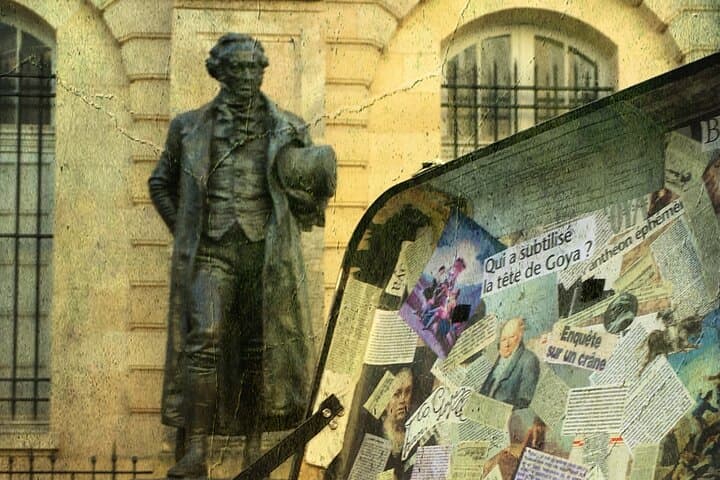
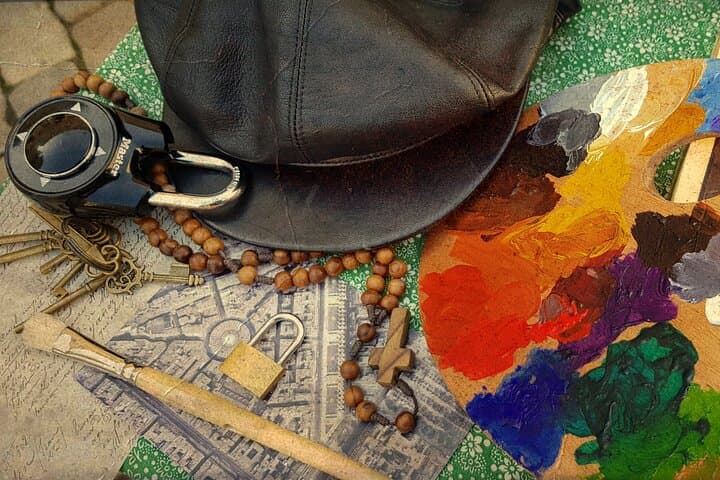
Players will move through stone streets and broad quays, following clues rooted in the city’s documented past. The game places you in the Port de la Lune — an 18th-century port district with classical façades and occasional cobbles — where observation, conversation, and a few simple mechanisms in the suitcase reveal the next step.
Bordeaux grew into an Atlantic trading hub; its streets reflect mercantile wealth and republican urban planning more than dramatic geology. The escape scenario borrows from local lore and archival color rather than strict archival fact, so expect references to historic neighborhoods, old merchant houses, and civic landmarks rather than museum-only artifacts.
Culturally, this is a people-centered experience: merchants, river traffic, and art collectors shaped the neighborhoods you roam. The route typically threads past plazas, narrow lanes, and riverfront promenades, and relies on public transit access and pedestrian zones.
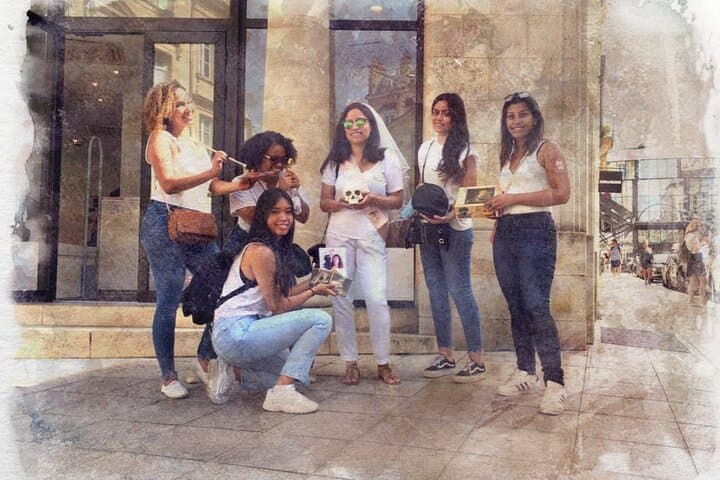
Practically, the game lasts about two hours and covers 2–4 km on mostly paved and cobbled surfaces. Wear stable shoes and bring a charged phone (mobile ticket required) and a small notebook for notes. Groups work best with 2–6 participants; the challenge rewards sharp observation, teamwork, and local curiosity. If mobility is limited, note that many streets are accessible but historic paving is uneven; plan extra time. Finish with a coffee by the quais and you’ll feel how a city’s history can act like a riddle — sometimes teasing, often revealing.
moderate.
2 hours.
Light to moderate walking fitness; participants should be able to walk a few kilometers and stand for short periods.
The activity is scheduled for about two hours and typically covers 2–4 km across the historic center, depending on pauses for solving puzzles.
No, mobile tickets are accepted and preferred; have your booking confirmation ready on your phone.
The operator indicates stroller access and allows children, but some puzzles assume reading and deduction skills; families often work best with adult assistance.
The tour is listed as wheelchair accessible, but historic cobbles and occasional steps mean some routes may be uneven — contact the provider to discuss specific needs.
Bordeaux's Port de la Lune earned UNESCO World Heritage status for its 18th- and 19th-century classical urban design reflecting Atlantic trade wealth.
The historic center is protected; stick to pedestrian paths, avoid littering, and use public transport to reduce your visit's footprint.
Code Case Bordeaux operates guided outdoor trips and adventures with an emphasis on safety, stewardship, and memorable experiences.
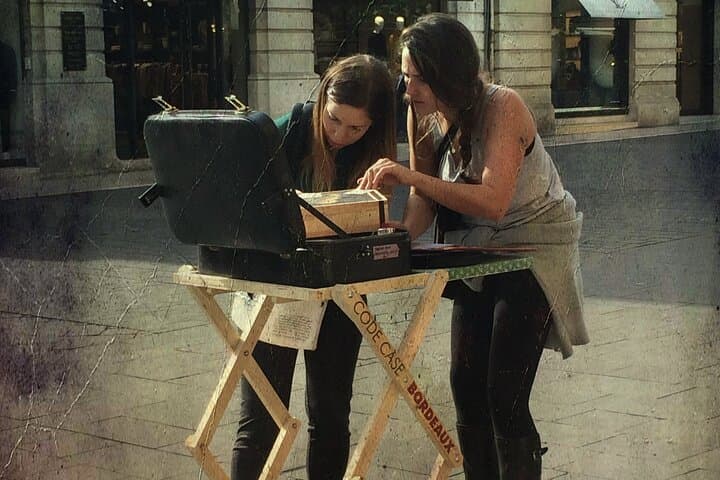
A chill from the Garonne brushes past as a locked suitcase is set on a café table and the district of Bordeaux unfolds like a puzzle.
A chill from the Garonne brushes past as a locked suitcase is set on a café table and the district of Bordeaux unfolds like a puzzle.
Players will move through stone streets and broad quays, following clues rooted in the city’s documented past. The game places you in the Port de la Lune — an 18th-century port district with classical façades and occasional cobbles — where observation, conversation, and a few simple mechanisms in the suitcase reveal the next step.
Bordeaux grew into an Atlantic trading hub; its streets reflect mercantile wealth and republican urban planning more than dramatic geology. The escape scenario borrows from local lore and archival color rather than strict archival fact, so expect references to historic neighborhoods, old merchant houses, and civic landmarks rather than museum-only artifacts.
Culturally, this is a people-centered experience: merchants, river traffic, and art collectors shaped the neighborhoods you roam. The route typically threads past plazas, narrow lanes, and riverfront promenades, and relies on public transit access and pedestrian zones.
Practically, the game lasts about two hours and covers 2–4 km on mostly paved and cobbled surfaces. Wear stable shoes and bring a charged phone (mobile ticket required) and a small notebook for notes. Groups work best with 2–6 participants; the challenge rewards sharp observation, teamwork, and local curiosity. If mobility is limited, note that many streets are accessible but historic paving is uneven; plan extra time. Finish with a coffee by the quais and you’ll feel how a city’s history can act like a riddle — sometimes teasing, often revealing.