THE ADVENTURE COLLECTIVE® · Independent discovery and booking for outdoor travel

Explore Bordeaux’s elegant riverfront, grand squares and narrow shopping streets on a two‑hour guided walking tour. Ideal for first‑time visitors, the route highlights the Water Mirror, Grand Théâtre and the Triangle d'Or while offering local history and practical tips.
Explore Bordeaux’s elegant riverfront, grand squares and narrow shopping streets on a two‑hour guided walking tour. Ideal for first‑time visitors, the route highlights the Water Mirror, Grand Théâtre and the Triangle d'Or while offering local history and practical tips.
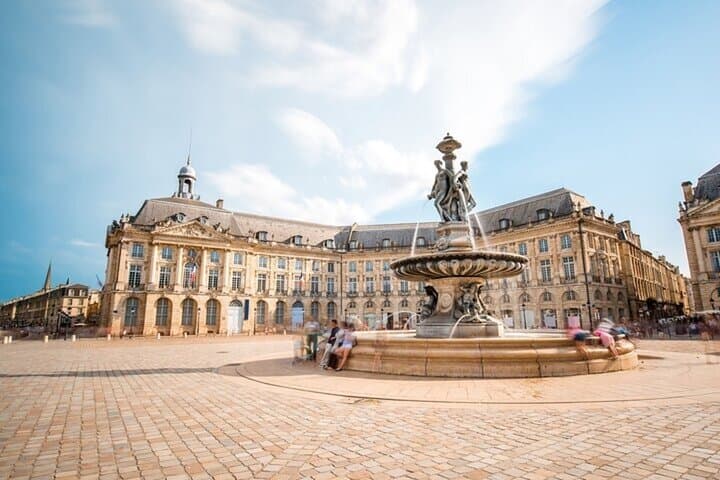
You step off the quay and the Garonne breathes cool air across the stone facades; the Water Mirror glints like a shallow river turned to glass. The guide falls into step beside you, pointing out sculpted cornices and the rhythm of 18th‑century urban planning that shaped Bordeaux into a river city built to impress.
Verified experiences and guided adventures in the surrounding area.
Operated by Guydeez · Bordeaux, Nouvelle-Aquitaine
You step off the quay and the Garonne breathes cool air across the stone facades; the Water Mirror glints like a shallow river turned to glass. The guide falls into step beside you, pointing out sculpted cornices and the rhythm of 18th‑century urban planning that shaped Bordeaux into a river city built to impress.
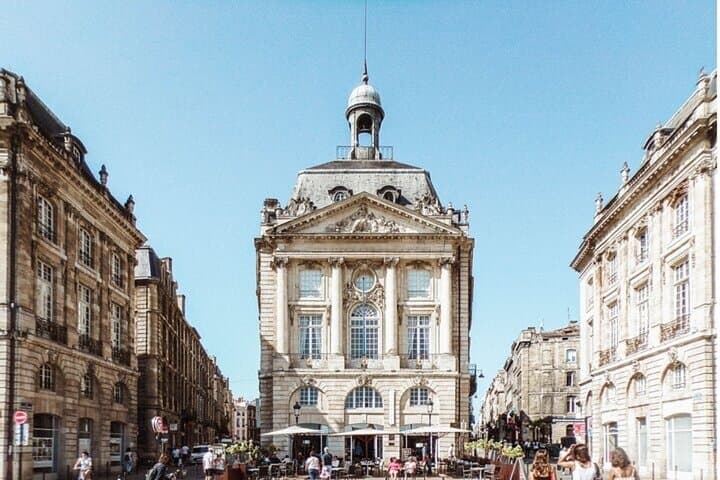
This two-hour private walking tour threads the core of Bordeaux’s historic center: Place de la Bourse’s classical facades, the reflective Miroir d’eau, Rue Sainte‑Catherine’s long commercial spine, and the ornate Grand Théâtre with its carved columns. The city’s rich past is visible in its port history and neoclassical rebuilding after 18th‑century river trade boomed; the stone here is local limestone, worn by river fog and centuries of foot traffic.
Culturally, Bordeaux is both a wine capital and a living city—cafés spill onto squares, artisans occupy narrow lanes, and gates like Porte Dijeaux remind you this was once a fortified threshold between countryside and commerce. Guides often weave short stories about merchants, theater premieres, and the transformation of quays into public promenades.
Practical essentials: the route is flat and fully paved, suitable for most fitness levels and accessible for wheelchairs. Expect frequent stops for photos and short historical talks; bring a light layer for river breezes and wear supportive shoes for cobbles. Morning tours dodge crowds and have softer light for the Water Mirror; afternoon visits are livelier, with cafés and shops open.
This is a compact, walkable way to read Bordeaux’s architecture and urban life—efficient, sensory, and easy to fit into a day of wine country or longer regional travel.
easy.
2 hours.
Suitable for all fitness levels; requires standing and walking on paved and cobbled surfaces for about two hours.
The tour lasts approximately two hours and covers mainly flat, paved routes through the historic center.
Yes—routes in the core area are wheelchair accessible, though some side streets may have cobbles; notify the operator of accessibility needs when booking.
Guides are available in English, French and Spanish; confirm your preferred language at booking.
Yes—this tour offers private and small group options and can be customized to emphasize architecture, food stops, or shopping.
Bordeaux rebuilt large parts of its riverfront in the 18th century to reflect its wealth from Atlantic trade; the result is a cohesive neoclassical core now protected as a historic center.
The historic center is UNESCO‑listed and local efforts focus on preserving stone facades and managing riverfront use to reduce wear from tourism.
Guydeez operates guided outdoor trips and adventures with an emphasis on safety, stewardship, and memorable experiences.
You step off the quay and the Garonne breathes cool air across the stone facades; the Water Mirror glints like a shallow river turned to glass. The guide falls into step beside you, pointing out sculpted cornices and the rhythm of 18th‑century urban planning that shaped Bordeaux into a river city built to impress.
You step off the quay and the Garonne breathes cool air across the stone facades; the Water Mirror glints like a shallow river turned to glass. The guide falls into step beside you, pointing out sculpted cornices and the rhythm of 18th‑century urban planning that shaped Bordeaux into a river city built to impress.
This two-hour private walking tour threads the core of Bordeaux’s historic center: Place de la Bourse’s classical facades, the reflective Miroir d’eau, Rue Sainte‑Catherine’s long commercial spine, and the ornate Grand Théâtre with its carved columns. The city’s rich past is visible in its port history and neoclassical rebuilding after 18th‑century river trade boomed; the stone here is local limestone, worn by river fog and centuries of foot traffic.
Culturally, Bordeaux is both a wine capital and a living city—cafés spill onto squares, artisans occupy narrow lanes, and gates like Porte Dijeaux remind you this was once a fortified threshold between countryside and commerce. Guides often weave short stories about merchants, theater premieres, and the transformation of quays into public promenades.
Practical essentials: the route is flat and fully paved, suitable for most fitness levels and accessible for wheelchairs. Expect frequent stops for photos and short historical talks; bring a light layer for river breezes and wear supportive shoes for cobbles. Morning tours dodge crowds and have softer light for the Water Mirror; afternoon visits are livelier, with cafés and shops open.
This is a compact, walkable way to read Bordeaux’s architecture and urban life—efficient, sensory, and easy to fit into a day of wine country or longer regional travel.