THE ADVENTURE COLLECTIVE® · Independent discovery and booking for outdoor travel

Step back 500+ years on a 90‑minute walking tour through Bordeaux’s medieval core. Visit Grosse Cloche, Place du Palais and Porte Cailhau while learning how daily life and river trade shaped the city in 1492.
Step back 500+ years on a 90‑minute walking tour through Bordeaux’s medieval core. Visit Grosse Cloche, Place du Palais and Porte Cailhau while learning how daily life and river trade shaped the city in 1492.
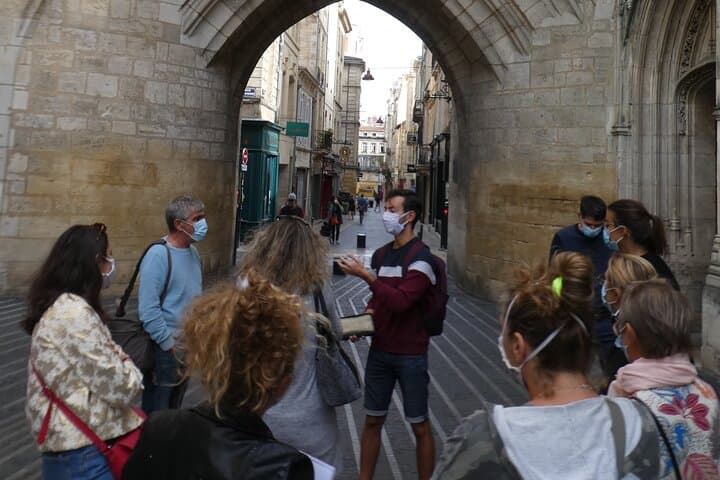
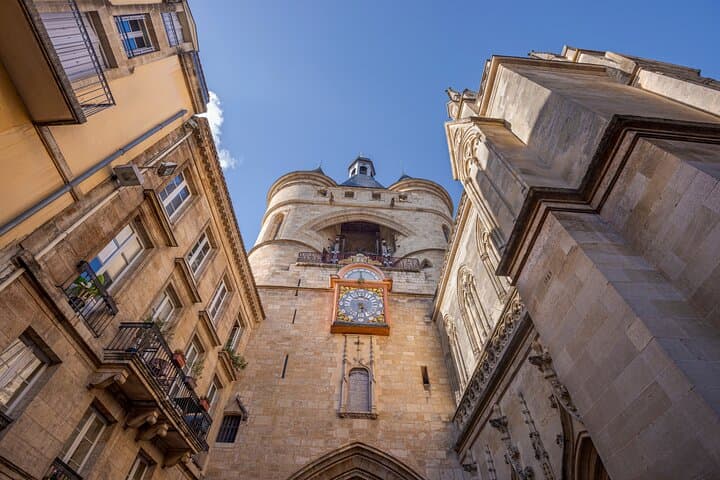
A cool morning air moves off the Garonne as your guide waits in the center of Place Fernand Lafargue, the square’s flagstones still echoing the footfalls of merchants and bell‑ringers. Within 90 minutes you walk a compact timeline: a bell tower tolls where civic power once announced punishments, narrow lanes funnel you toward river views, and a stone gate frames the city’s historic quays.
Verified experiences and guided adventures in the surrounding area.
Operated by Vert Bordeaux · Bordeaux, Nouvelle-Aquitaine
A cool morning air moves off the Garonne as your guide waits in the center of Place Fernand Lafargue, the square’s flagstones still echoing the footfalls of merchants and bell‑ringers. Within 90 minutes you walk a compact timeline: a bell tower tolls where civic power once announced punishments, narrow lanes funnel you toward river views, and a stone gate frames the city’s historic quays.
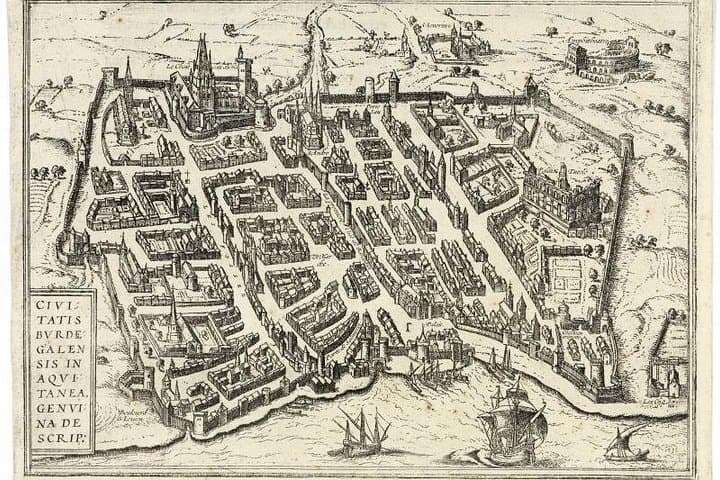
This short route focuses on life at the end of the 15th century — 1492 as a hinge year — showing how Bordeaux’s role as a port and trading hub shaped its streets, food economy and urban hygiene. Expect explanations of daily diets, public justice, and the slow pivot from medieval guilds toward Renaissance tastes while passing the Grosse Cloche, rue Saint‑James and the pedestrian Place du Palais before finishing at the Porte Cailhau, a late‑medieval gate that connects quay and city.
Geology and the river matter: the Garonne’s tidal pulse and alluvial plain created the port that built Bordeaux’s wealth, and that influence is visible in the planning and facades you’ll see.
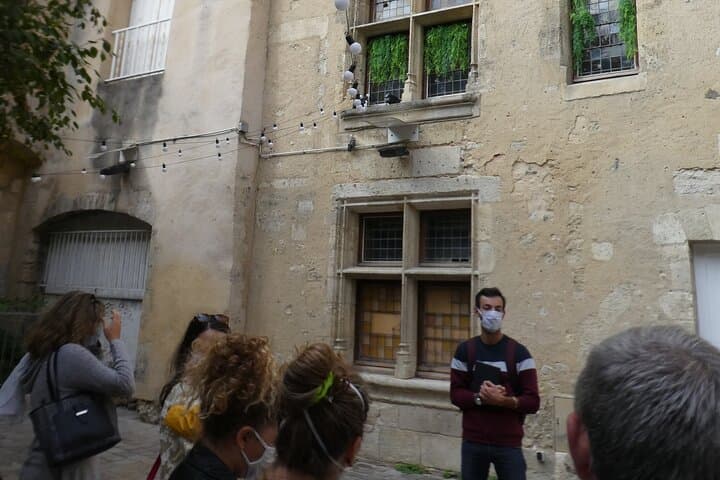
Practical guidance: this is an urban walking tour on mostly paved and cobbled surfaces — comfortable shoes and a water bottle are the priorities. The route fits varied fitness levels, runs in small groups (up to 12), and works well year‑round if you dress for rain or sun. Bring questions: the guide will weave archival detail, architectural clues and local anecdotes to make 1492 feel immediate rather than remote.
easy.
90 minutes.
Suitable for most activity levels; involves continuous walking on paved and cobbled streets without steep climbs.
The tour begins at Place Fernand Lafargue and ends near Porte Cailhau, both central and accessible on foot or by public transit.
Yes — the tour is stroller accessible and noted as suitable for all fitness levels, though cobbles can be bumpy.
Confirm language availability at booking; many guides operate in French and English depending on demand.
Full refund is typically available if you cancel at least 24 hours before the scheduled start; check your booking confirmation for specifics.
Bordeaux grew as a Garonne port in the Middle Ages; late 15th‑century structures reflect the city’s expanding trade links and changing civic institutions between medieval and Renaissance eras.
Respect historic stonework—avoid leaning or touching fragile carvings—and support local preservation by using marked paths and local guides who follow conservation rules.
Vert Bordeaux operates guided outdoor trips and adventures with an emphasis on safety, stewardship, and memorable experiences.
A cool morning air moves off the Garonne as your guide waits in the center of Place Fernand Lafargue, the square’s flagstones still echoing the footfalls of merchants and bell‑ringers. Within 90 minutes you walk a compact timeline: a bell tower tolls where civic power once announced punishments, narrow lanes funnel you toward river views, and a stone gate frames the city’s historic quays.
A cool morning air moves off the Garonne as your guide waits in the center of Place Fernand Lafargue, the square’s flagstones still echoing the footfalls of merchants and bell‑ringers. Within 90 minutes you walk a compact timeline: a bell tower tolls where civic power once announced punishments, narrow lanes funnel you toward river views, and a stone gate frames the city’s historic quays.
This short route focuses on life at the end of the 15th century — 1492 as a hinge year — showing how Bordeaux’s role as a port and trading hub shaped its streets, food economy and urban hygiene. Expect explanations of daily diets, public justice, and the slow pivot from medieval guilds toward Renaissance tastes while passing the Grosse Cloche, rue Saint‑James and the pedestrian Place du Palais before finishing at the Porte Cailhau, a late‑medieval gate that connects quay and city.
Geology and the river matter: the Garonne’s tidal pulse and alluvial plain created the port that built Bordeaux’s wealth, and that influence is visible in the planning and facades you’ll see.
Practical guidance: this is an urban walking tour on mostly paved and cobbled surfaces — comfortable shoes and a water bottle are the priorities. The route fits varied fitness levels, runs in small groups (up to 12), and works well year‑round if you dress for rain or sun. Bring questions: the guide will weave archival detail, architectural clues and local anecdotes to make 1492 feel immediate rather than remote.