THE ADVENTURE COLLECTIVE® · Independent discovery and booking for outdoor travel

Forage coastal seaweed and edible plants with local hosts, learn to make traditional snacks like linupak, and finish with a seaside lunch and optional snorkel at a quieter beach on Boracay. This 3-hour cultural food experience blends hands-on cooking with community insight.
Forage coastal seaweed and edible plants with local hosts, learn to make traditional snacks like linupak, and finish with a seaside lunch and optional snorkel at a quieter beach on Boracay. This 3-hour cultural food experience blends hands-on cooking with community insight.
The wind off the Sibuyan Sea scrapes salt across your forearms as you step from the soft sand toward a low rocky shelf where green fronds of seaweed cling to tide-etched stones. A local host points out edible greens and shell-safe coves, and the island’s smell—warm sand, coconut husk smoke, and boiling coconut milk—begins to stitch the day together.
Verified experiences and guided adventures in the surrounding area.
Operated by Meaningful Travels PH · Malay, Aklan
The wind off the Sibuyan Sea scrapes salt across your forearms as you step from the soft sand toward a low rocky shelf where green fronds of seaweed cling to tide-etched stones. A local host points out edible greens and shell-safe coves, and the island’s smell—warm sand, coconut husk smoke, and boiling coconut milk—begins to stitch the day together.
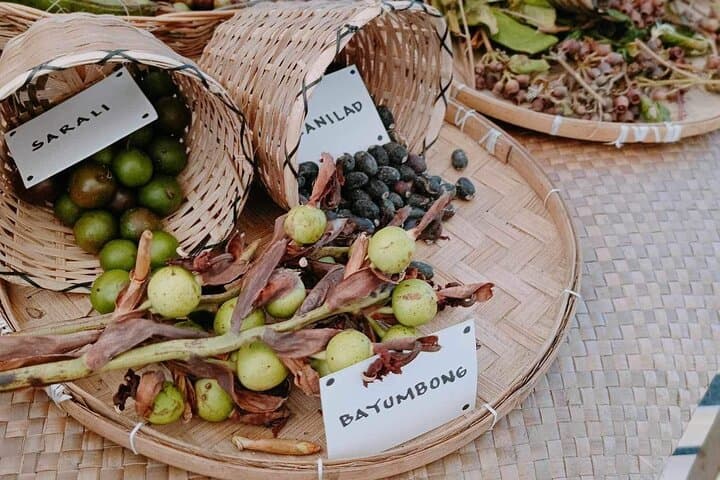
Boracay is a small island with a long history of fishing, seaweed farming and simple seaside cookery; Aklan’s communities have harvested coastal plants for generations. Geologically the island is a raised coral sandbar with shallow reefs that cradle bays and secret coves, creating inland tidal flats where foraging yields seaweed, edible succulents and small crustaceans.
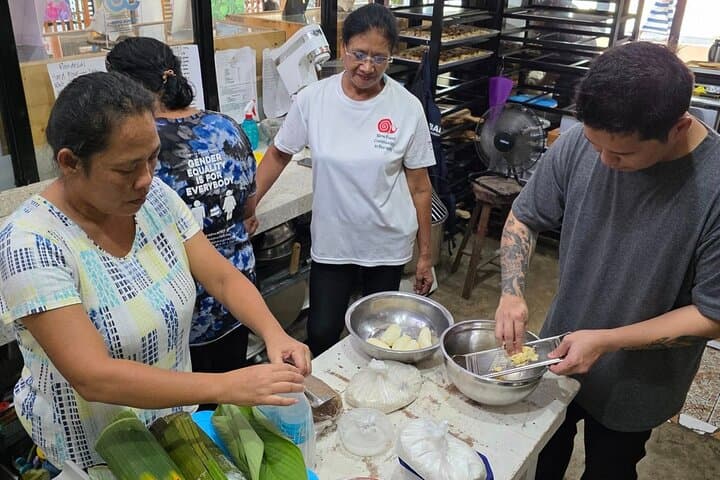
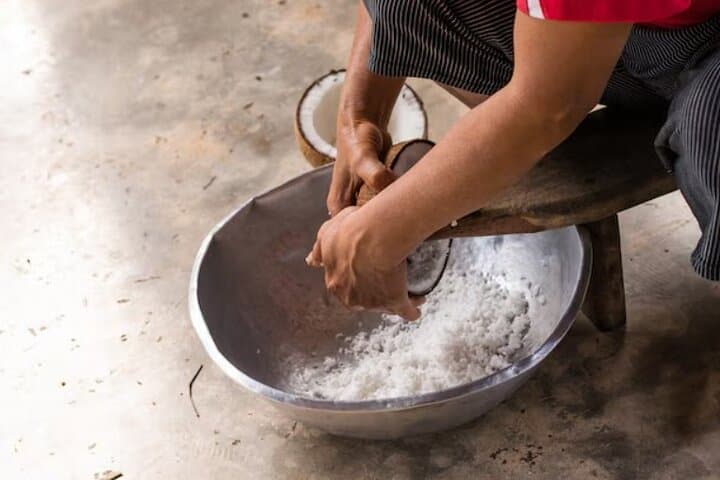
Culturally, this experience blends hands-on snack-making—linupak and seaweed salad—with conversation about local foodways and sustainable harvests. The day ends with a light seaside lunch and the option to swim or snorkel off a quieter stretch of beach, where reefs slope gently away.
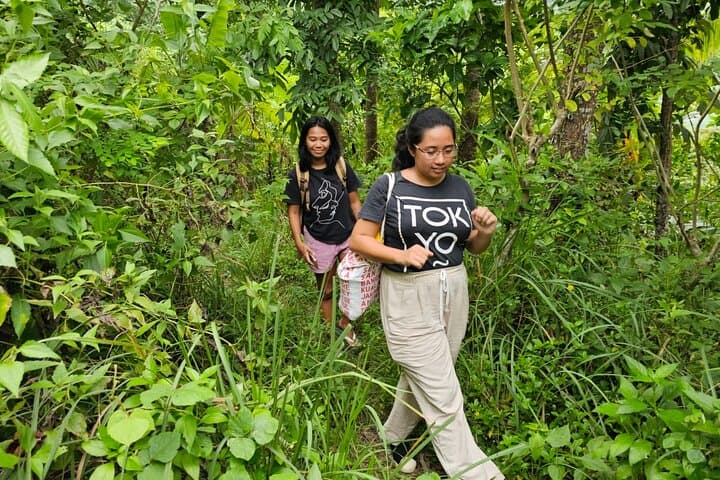
Practical guidance: expect a 3-hour activity with easy walking on sand, exposed rock and shallow tidal areas; bring reef-safe sunscreen, water shoes for traction, and a refillable bottle. Plan for mid-morning or late afternoon to avoid the sun’s peak and tide changes. Mobility needs are minimal, but watch uneven surfaces and slippery rocks. Respect the hosts’ guidance on what to take; sustainable foraging here is small-scale and community-led.
This is a short, sensory way to learn Boracay’s coastal food traditions and leave with new recipes as well as a quieter beach memory.
easy.
3 hours.
Suitable for most fitness levels; requires short walks on sand and uneven tidal rock.
Yes; the experience is family-friendly but children should be supervised on slippery rocks and near tidal pools.
Round-trip transport and a light seaside lunch are included; snorkeling is offered at a tranquil beach—bring your own mask if preferred.
Wear quick-dry clothing, water shoes, a hat and reef-safe sunscreen; expect light cooking so a small towel or cover-up is useful.
Hosts can usually adapt dishes for common restrictions—notify any dietary needs at booking so they can prepare appropriate options.
Boracay’s coastal communities have long relied on fishing and seaweed cultivation; traditional snacks like linupak reflect a utilitarian island cuisine made from root crops and coconut.
Activities are community-led with emphasis on minimal-impact harvesting and reef protection—follow guides’ instructions to avoid overharvesting and coral damage.
Meaningful Travels PH operates guided outdoor trips and adventures with an emphasis on safety, stewardship, and memorable experiences.
The wind off the Sibuyan Sea scrapes salt across your forearms as you step from the soft sand toward a low rocky shelf where green fronds of seaweed cling to tide-etched stones. A local host points out edible greens and shell-safe coves, and the island’s smell—warm sand, coconut husk smoke, and boiling coconut milk—begins to stitch the day together.
The wind off the Sibuyan Sea scrapes salt across your forearms as you step from the soft sand toward a low rocky shelf where green fronds of seaweed cling to tide-etched stones. A local host points out edible greens and shell-safe coves, and the island’s smell—warm sand, coconut husk smoke, and boiling coconut milk—begins to stitch the day together.
Boracay is a small island with a long history of fishing, seaweed farming and simple seaside cookery; Aklan’s communities have harvested coastal plants for generations. Geologically the island is a raised coral sandbar with shallow reefs that cradle bays and secret coves, creating inland tidal flats where foraging yields seaweed, edible succulents and small crustaceans.
Culturally, this experience blends hands-on snack-making—linupak and seaweed salad—with conversation about local foodways and sustainable harvests. The day ends with a light seaside lunch and the option to swim or snorkel off a quieter stretch of beach, where reefs slope gently away.
Practical guidance: expect a 3-hour activity with easy walking on sand, exposed rock and shallow tidal areas; bring reef-safe sunscreen, water shoes for traction, and a refillable bottle. Plan for mid-morning or late afternoon to avoid the sun’s peak and tide changes. Mobility needs are minimal, but watch uneven surfaces and slippery rocks. Respect the hosts’ guidance on what to take; sustainable foraging here is small-scale and community-led.
This is a short, sensory way to learn Boracay’s coastal food traditions and leave with new recipes as well as a quieter beach memory.