THE ADVENTURE COLLECTIVE® · Independent discovery and booking for outdoor travel

Explore Boracay's easy coral gardens and nearby wrecks with guided fun dives for certified divers. Expect clear tropical water, concise briefings, and a mix of relaxed reefs and more challenging drift or wreck sites for advanced divers.
Explore Boracay's easy coral gardens and nearby wrecks with guided fun dives for certified divers. Expect clear tropical water, concise briefings, and a mix of relaxed reefs and more challenging drift or wreck sites for advanced divers.
Sunlight slices the surface into glittering knives as the boat slows at the dive mooring off Boracay.
Warm salt air and the clear voice of the dive master cut through the island's holiday hum; below, bommies and wreck plates wait in the blue.
Verified experiences and guided adventures in the surrounding area.
Operated by DiveGurus Boracay Dive Center · Malay, Aklan
Sunlight slices the surface into glittering knives as the boat slows at the dive mooring off Boracay.
Warm salt air and the clear voice of the dive master cut through the island's holiday hum; below, bommies and wreck plates wait in the blue.
The reefs around Boracay sit on uplifted volcanic bedrock carved by currents and storms, producing shelves, vertical walls and sandy basins. Once a modest fishing community in Panay's coastal network, Boracay shifted to tourism and even underwent a high-profile rehabilitation in 2018 to address overuse—diving here now balances frequent visitation with active reef restoration.
Dives at Crocodile Island and Friday's Rock tend toward gentle slopes and coral gardens, while Camia, Tribird and Yapak offer wreck sections, deeper relief and drift opportunities for advanced divers. Expect 10–25 m visibility most days, 27–30°C water, and currents that sometimes push you along walls rather than hold you in place; this is an environment that nudges you to streamline and rely on your dive master.
Practically: show up 30 minutes early for briefing and paperwork, carry your certification card and logbook, and use reef-safe sunscreen. The operator runs four daily dive windows (09:00–15:00); a 60-minute no-fly guideline is conservative—many operators recommend 12–18 hours after multiple dives. Hydrate between surface intervals, secure personal gear on the boat, and follow a no-touch policy to support ongoing reef recovery.
moderate.
2–3 hours.
Comfortable swimming ability and basic cardiovascular fitness; able to move gear on/off a small boat.
Yes—this operator runs fun dives only for certified divers; advanced sites may require Advanced Open Water certification.
There are four daily dive windows (09:00, 11:00, 13:00, 15:00); bookings typically cover one or two dives depending on the package.
Follow conservative guidance: a minimum 12–18 hours after multiple dives is commonly advised; check with your operator for their specific rule.
Shallow wreck plates can be accessible, but deeper wrecks and strong drift sites are best for divers with advanced training and good buoyancy control.
Boracay transformed from a fishing village into a global tourist hub over recent decades and underwent a 2018 rehabilitation to curb overdevelopment and protect coastal ecosystems.
Local operators often enforce no-touch rules, use mooring buoys, and encourage reef‑safe sunscreen; supporting operators involved in reef monitoring helps long-term recovery.
DiveGurus Boracay Dive Center operates guided outdoor trips and adventures with an emphasis on safety, stewardship, and memorable experiences.
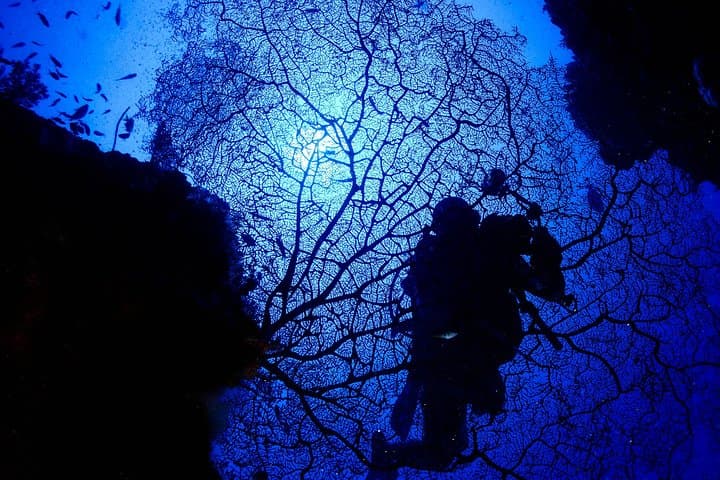
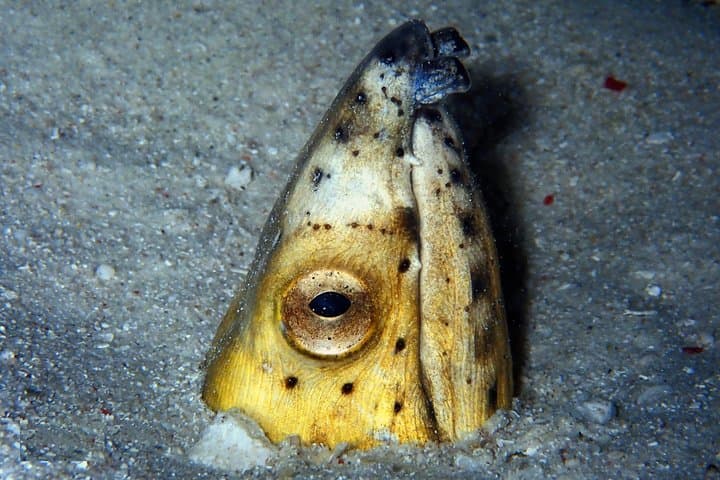
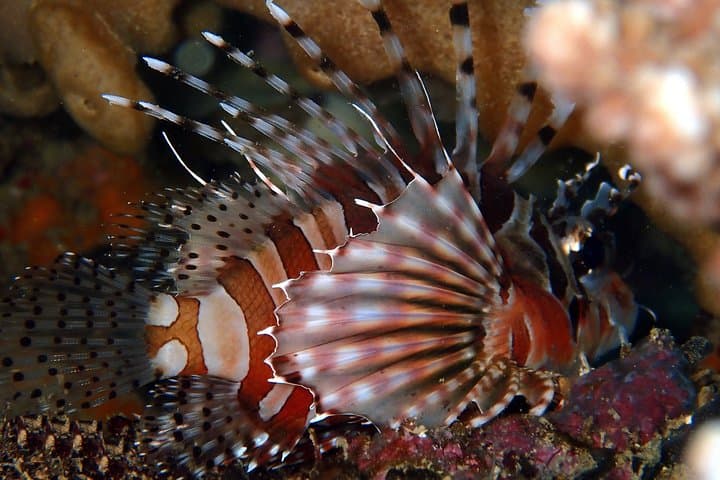
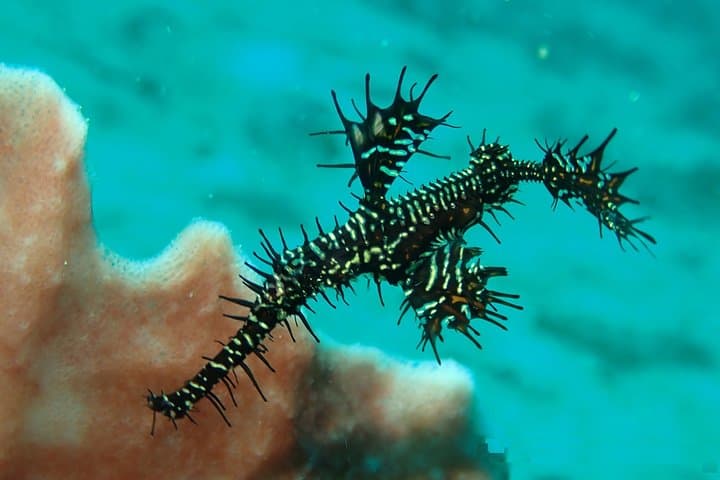
Sunlight slices the surface into glittering knives as the boat slows at the dive mooring off Boracay.
Warm salt air and the clear voice of the dive master cut through the island's holiday hum; below, bommies and wreck plates wait in the blue.
Sunlight slices the surface into glittering knives as the boat slows at the dive mooring off Boracay.
Warm salt air and the clear voice of the dive master cut through the island's holiday hum; below, bommies and wreck plates wait in the blue.
The reefs around Boracay sit on uplifted volcanic bedrock carved by currents and storms, producing shelves, vertical walls and sandy basins. Once a modest fishing community in Panay's coastal network, Boracay shifted to tourism and even underwent a high-profile rehabilitation in 2018 to address overuse—diving here now balances frequent visitation with active reef restoration.
Dives at Crocodile Island and Friday's Rock tend toward gentle slopes and coral gardens, while Camia, Tribird and Yapak offer wreck sections, deeper relief and drift opportunities for advanced divers. Expect 10–25 m visibility most days, 27–30°C water, and currents that sometimes push you along walls rather than hold you in place; this is an environment that nudges you to streamline and rely on your dive master.
Practically: show up 30 minutes early for briefing and paperwork, carry your certification card and logbook, and use reef-safe sunscreen. The operator runs four daily dive windows (09:00–15:00); a 60-minute no-fly guideline is conservative—many operators recommend 12–18 hours after multiple dives. Hydrate between surface intervals, secure personal gear on the boat, and follow a no-touch policy to support ongoing reef recovery.