THE ADVENTURE COLLECTIVE® · Independent discovery and booking for outdoor travel

Advance your scuba skills in two days off Boracay’s shores: from controlled deep dives to underwater navigation, this SSI Advanced Open Water course blends focused training with local reef exploration. Small groups, included gear and lunch make it an efficient certification for divers ready to go deeper.
Advance your scuba skills in two days off Boracay’s shores: from controlled deep dives to underwater navigation, this SSI Advanced Open Water course blends focused training with local reef exploration. Small groups, included gear and lunch make it an efficient certification for divers ready to go deeper.
A small dive boat drifts off White Beach as sunlight slices through surface chop; instructors check gauges while students snap on fins and laugh at the nervous thrill of breathing underwater for longer. Over two focused days, the SSI Advanced Open Water course moves divers from confident shallow explorers to controlled deep divers, guided through local reefs and sandy drop-offs that frame Boracay’s nearshore seascape.
Verified experiences and guided adventures in the surrounding area.
Operated by DiveGurus Boracay Dive Center · Boracay, Aklan
A small dive boat drifts off White Beach as sunlight slices through surface chop; instructors check gauges while students snap on fins and laugh at the nervous thrill of breathing underwater for longer. Over two focused days, the SSI Advanced Open Water course moves divers from confident shallow explorers to controlled deep divers, guided through local reefs and sandy drop-offs that frame Boracay’s nearshore seascape.
Boracay began as a quiet fishing island built from coral and white sand, later transforming into one of the Philippines’ most visited destinations. The island’s reefs are living geology—coral heads on ancient limestone shelves—bearing both long-standing local fishing culture and a recent shift toward regulated tourism after the 2018 rehabilitation that improved sewage and coastal protections.
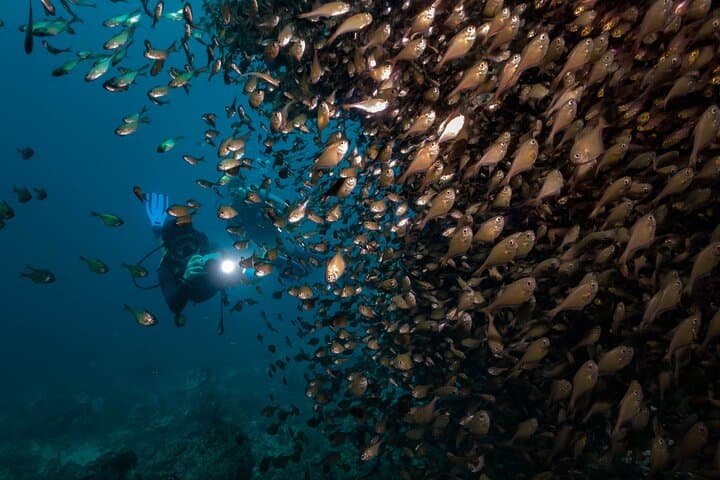
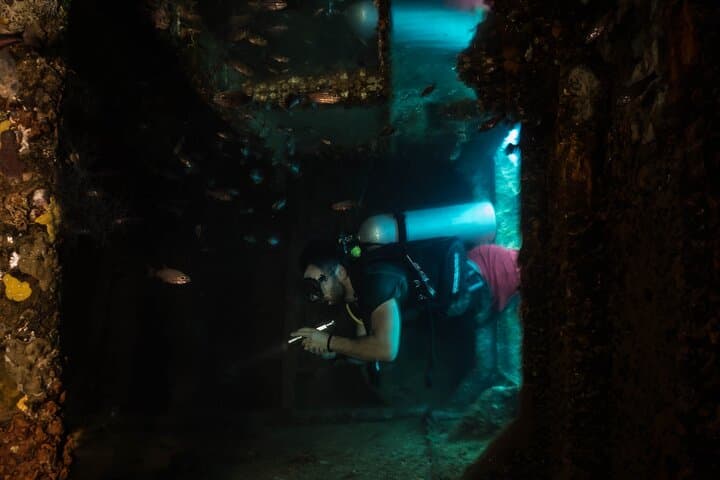
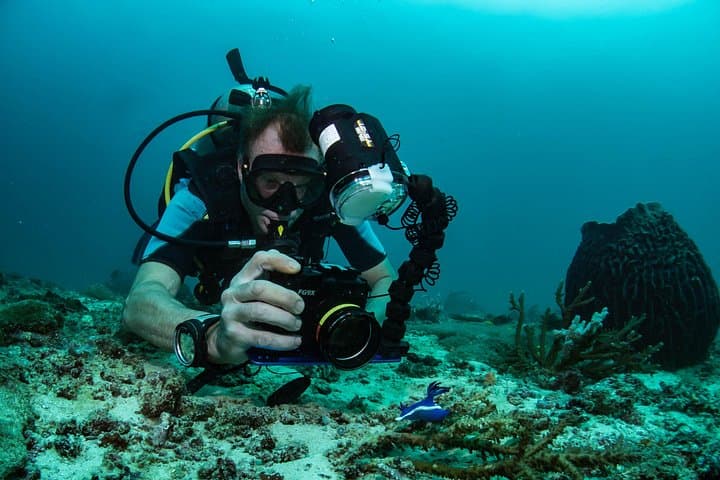
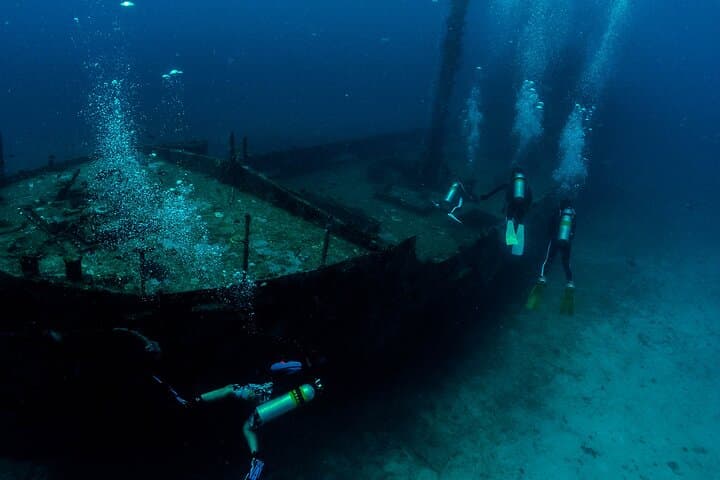
Expect a curriculum of confined-water reviews, five guided adventure dives (depth work, navigation, and a specialty such as night or deep diving), practical skill checks, and surface briefings. Typical open-water sites are shallow fringing reefs and steeper coral walls; visibility varies seasonally but commonly sits between 10–25 meters. Groups are kept small (up to 10), and equipment use is included; lunches are provided over both days.
Practical tips: arrive with your SSI Open Water (or equivalent) certification, carry dive insurance, and be honest on medical questionnaires—conditions like heart or spinal issues preclude participation. Equalize early, hydrate well, and plan for early morning boat departures to avoid afternoon winds. With proper preparation, the course expands both depth limits and underwater confidence for continued Philippines diving.
moderate.
2 days (approx. 48 hours total).
Moderate fitness and basic swimming ability; comfortable treading water and long surface swims are helpful.
Yes—proof of an Open Water certification (SSI or equivalent) is required before starting the Advanced course.
Advanced Open Water training commonly includes dives to 30 meters (100 feet) depending on the chosen adventure dives and local conditions.
Use of standard SCUBA equipment is included; personal items like masks and computers are recommended for fit and hygiene.
Night or navigation specialties are often offered as one of the adventure dives—confirm with the operator which specialties are scheduled during your dates.
Boracay transitioned from a fishing village to an international resort island; a 2018 government rehabilitation improved infrastructure and environmental protections for visitors and reefs.
Operators emphasize no-touch diving, reef-safe sunscreens, and responsible buoyancy to reduce coral damage; choose shops that follow local waste and sewage regulations.
DiveGurus Boracay Dive Center operates guided outdoor trips and adventures with an emphasis on safety, stewardship, and memorable experiences.
A small dive boat drifts off White Beach as sunlight slices through surface chop; instructors check gauges while students snap on fins and laugh at the nervous thrill of breathing underwater for longer. Over two focused days, the SSI Advanced Open Water course moves divers from confident shallow explorers to controlled deep divers, guided through local reefs and sandy drop-offs that frame Boracay’s nearshore seascape.
A small dive boat drifts off White Beach as sunlight slices through surface chop; instructors check gauges while students snap on fins and laugh at the nervous thrill of breathing underwater for longer. Over two focused days, the SSI Advanced Open Water course moves divers from confident shallow explorers to controlled deep divers, guided through local reefs and sandy drop-offs that frame Boracay’s nearshore seascape.
Boracay began as a quiet fishing island built from coral and white sand, later transforming into one of the Philippines’ most visited destinations. The island’s reefs are living geology—coral heads on ancient limestone shelves—bearing both long-standing local fishing culture and a recent shift toward regulated tourism after the 2018 rehabilitation that improved sewage and coastal protections.
Expect a curriculum of confined-water reviews, five guided adventure dives (depth work, navigation, and a specialty such as night or deep diving), practical skill checks, and surface briefings. Typical open-water sites are shallow fringing reefs and steeper coral walls; visibility varies seasonally but commonly sits between 10–25 meters. Groups are kept small (up to 10), and equipment use is included; lunches are provided over both days.
Practical tips: arrive with your SSI Open Water (or equivalent) certification, carry dive insurance, and be honest on medical questionnaires—conditions like heart or spinal issues preclude participation. Equalize early, hydrate well, and plan for early morning boat departures to avoid afternoon winds. With proper preparation, the course expands both depth limits and underwater confidence for continued Philippines diving.