THE ADVENTURE COLLECTIVE® · Independent discovery and booking for outdoor travel

Listen to humpback songs through a hydrophone and watch carefully managed approaches to whales in Bora Bora’s lagoon. This small-group outing balances acoustic immersion with strict safety and conservation protocols.
Listen to humpback songs through a hydrophone and watch carefully managed approaches to whales in Bora Bora’s lagoon. This small-group outing balances acoustic immersion with strict safety and conservation protocols.
A soft boom of a whale’s exhale cuts through the lagoon and the boat eases into silence. The captain trims the engine, the hydrophone is lowered and deep, rolling songs fill the hull — you feel the ocean shift under you as a giant moves nearby. This is the tone of a Bora Bora whale-watching outing with Tohora: part field listening session, part careful approach to wild humpbacks.
Verified experiences and guided adventures in the surrounding area.
Operated by Tohora Bora Bora · Vaitape, Bora Bora
A soft boom of a whale’s exhale cuts through the lagoon and the boat eases into silence. The captain trims the engine, the hydrophone is lowered and deep, rolling songs fill the hull — you feel the ocean shift under you as a giant moves nearby. This is the tone of a Bora Bora whale-watching outing with Tohora: part field listening session, part careful approach to wild humpbacks.
French Polynesia sits on basalt roots of an extinct volcano; Bora Bora’s steep inner island drops quickly into a broad, clear lagoon ringed by coral. Humpback migration here is seasonal — animals arrive to breed and calve — and local crews have decades of experience balancing access and protection. Polynesian culture adds quiet reverence to encounters; operators work under strict distancing rules and limited passenger counts to reduce disturbance.
Expect three to four hours on open water, with swells and sudden movement as whales surface or breach. The boat carries a directional hydrophone for live song and a guide who explains behavior and regulations. Swimming with whales is unpredictable and only attempted under specific conditions; swimmers may need to cover 100+ meters in open water, so many opt to remain aboard.
Practical tips: hydrate and bring reef-safe sunscreen, a snug life jacket is non-negotiable, and take anti-nausea meds if you’re prone to seasickness. Book early in peak season (roughly July–October), expect manual confirmation and all-sales-final cancellation policies, and follow crew instructions at all times. With patience and respect, the trip delivers rare acoustic and visual moments — encounters shaped by weather and the will of the whales themselves.
challenging.
3–4 hours.
Good cardiovascular fitness and confident open-water swimming are recommended; expect to move on a rolling boat and, optionally, swim in the ocean.
Humpbacks commonly migrate through French Polynesia in the austral winter months, roughly July through October, when they gather to breed and calve.
Swimming is conditional: crews assess behavior, sea conditions and safety; some trips may offer water approaches but many participants remain on board for observation.
The tour runs about 3.5 hours and operates with small groups (up to six on shared tours) to limit disturbance and improve viewing.
Operators can cancel for weather or safety; this specific product notes an all‑sales‑final policy and may cancel if conditions are unsafe.
Bora Bora is the eroded remnant of a volcanic cone with a long Polynesian seafaring history; modern whale tours grew as scientific interest in humpback song increased in the late 20th century.
Operators follow strict distance and approach rules to minimize stress on whales; use reef-safe products and avoid entering protected reef zones to reduce human impact.
Tohora Bora Bora operates guided outdoor trips and adventures with an emphasis on safety, stewardship, and memorable experiences.
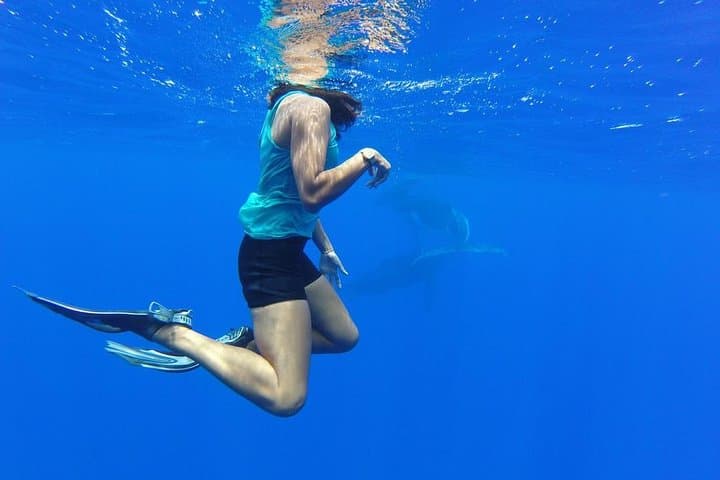
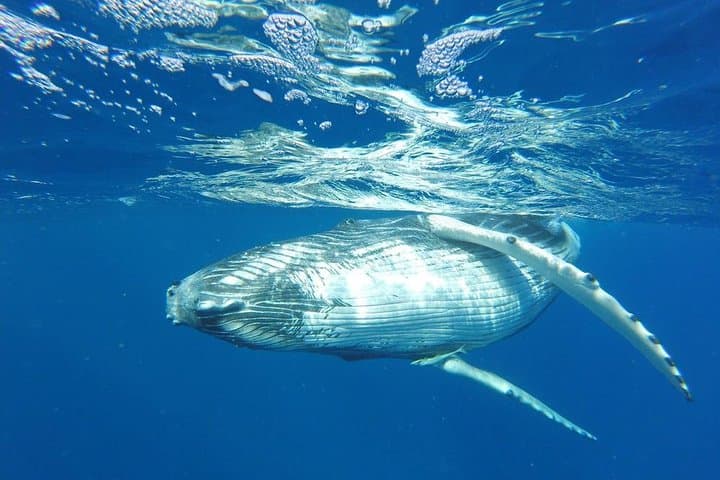
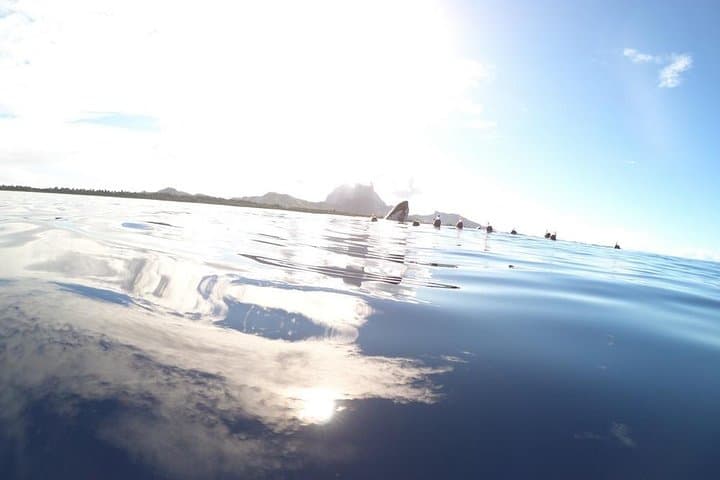
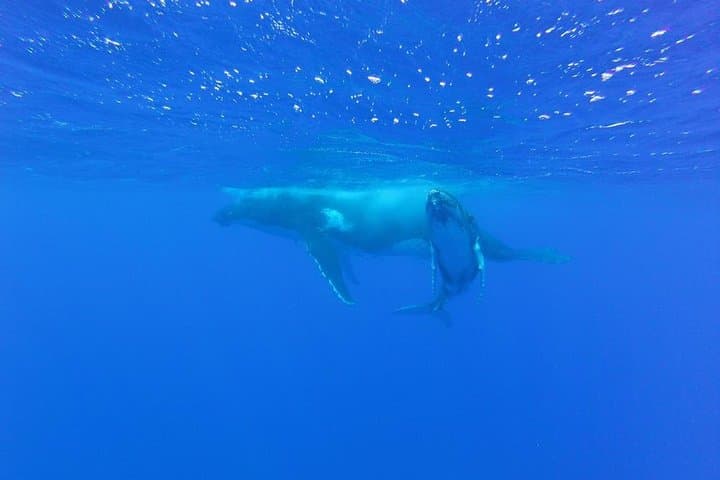
A soft boom of a whale’s exhale cuts through the lagoon and the boat eases into silence. The captain trims the engine, the hydrophone is lowered and deep, rolling songs fill the hull — you feel the ocean shift under you as a giant moves nearby. This is the tone of a Bora Bora whale-watching outing with Tohora: part field listening session, part careful approach to wild humpbacks.
A soft boom of a whale’s exhale cuts through the lagoon and the boat eases into silence. The captain trims the engine, the hydrophone is lowered and deep, rolling songs fill the hull — you feel the ocean shift under you as a giant moves nearby. This is the tone of a Bora Bora whale-watching outing with Tohora: part field listening session, part careful approach to wild humpbacks.
French Polynesia sits on basalt roots of an extinct volcano; Bora Bora’s steep inner island drops quickly into a broad, clear lagoon ringed by coral. Humpback migration here is seasonal — animals arrive to breed and calve — and local crews have decades of experience balancing access and protection. Polynesian culture adds quiet reverence to encounters; operators work under strict distancing rules and limited passenger counts to reduce disturbance.
Expect three to four hours on open water, with swells and sudden movement as whales surface or breach. The boat carries a directional hydrophone for live song and a guide who explains behavior and regulations. Swimming with whales is unpredictable and only attempted under specific conditions; swimmers may need to cover 100+ meters in open water, so many opt to remain aboard.
Practical tips: hydrate and bring reef-safe sunscreen, a snug life jacket is non-negotiable, and take anti-nausea meds if you’re prone to seasickness. Book early in peak season (roughly July–October), expect manual confirmation and all-sales-final cancellation policies, and follow crew instructions at all times. With patience and respect, the trip delivers rare acoustic and visual moments — encounters shaped by weather and the will of the whales themselves.