THE ADVENTURE COLLECTIVE® · Independent discovery and booking for outdoor travel

Board a small boat from Vaitape and listen as humpbacks sing beneath the hull. This 3.5‑hour whale‑watching and snorkel tour in Bora Bora focuses on safe, regulated encounters with humpback whales during the July–November season.
Board a small boat from Vaitape and listen as humpbacks sing beneath the hull. This 3.5‑hour whale‑watching and snorkel tour in Bora Bora focuses on safe, regulated encounters with humpback whales during the July–November season.
The boat slips out of the lagoon at first light and the reef falls away into open blue. Salt slicks on your wrists, the captain scans the horizon, and a low, rolling song comes over the hydrophone—an invisible living map that pulls you forward. In these months the water is crowded with purpose: humpback whales migrate from Antarctic feeding grounds to calve and sing between July and November.
Verified experiences and guided adventures in the surrounding area.
Operated by Bora Ocean Adventures · Vaitape, Society Islands
The boat slips out of the lagoon at first light and the reef falls away into open blue. Salt slicks on your wrists, the captain scans the horizon, and a low, rolling song comes over the hydrophone—an invisible living map that pulls you forward. In these months the water is crowded with purpose: humpback whales migrate from Antarctic feeding grounds to calve and sing between July and November.
French Polynesia declared a whale sanctuary in 2002, and local regulations (arrêté n°005927) govern how vessels and swimmers approach cetaceans. Geologically, Bora Bora’s lagoon is framed by a submerged volcanic caldera and ringed by motu—small islets that create crystal-clear channels and protected feeding areas. The culture here is maritime: voyaging, pearl farming, and a long relationship with the sea shape island life.
Practically, expect a 3.5‑hour boat tour that includes pickup at your hotel or a central meeting point in Vaitape, snorkeling gear, towels, waterproof bags, coffee and snacks. The crew uses a hydrophone to increase sighting chances and will brief you on how to enter the water safely; the operator is registered to allow controlled snorkeling near whales. Morning trips are generally calmer and cooler; afternoons bring softer light and warmer air. Wear reef‑safe sunscreen, bring a light jacket for spray, and plan for gentle motion on open water. If you have heart, spine, or pregnancy concerns, this activity is not recommended. Keep your camera ready—close encounters are possible, but always follow the guide’s instructions and give these animals space to move on their own terms.
easy.
3–4 hours.
Suitable for most fitness levels; you should be able to step on/off a small boat and snorkel briefly.
No—whales are wild animals. The guide uses a hydrophone and local knowledge to maximize chances during peak season (July–November), but sightings cannot be guaranteed.
Yes, the operator is registered under local regulations (arrêté n°005927) to permit controlled snorkeling near whales; always follow crew instructions and maintain safe behavior in the water.
Children and non‑swimmers can join, but non‑swimmers should discuss flotation options with the operator and remain with the guide; safety is prioritized and some activities may be restricted.
Take preventative medication before departure, sit where you can see the horizon, and notify the crew—they can modify the route or suggest sheltered spots in the lagoon.
The islands sit on an old volcanic caldera; whaling and voyaging shaped local maritime culture and modern protection measures created a whale sanctuary in 2002.
Operators follow strict approach rules and encourage reef‑safe products; visitors are asked to avoid touching coral and to pack out waste to protect the lagoon.
Bora Ocean Adventures operates guided outdoor trips and adventures with an emphasis on safety, stewardship, and memorable experiences.
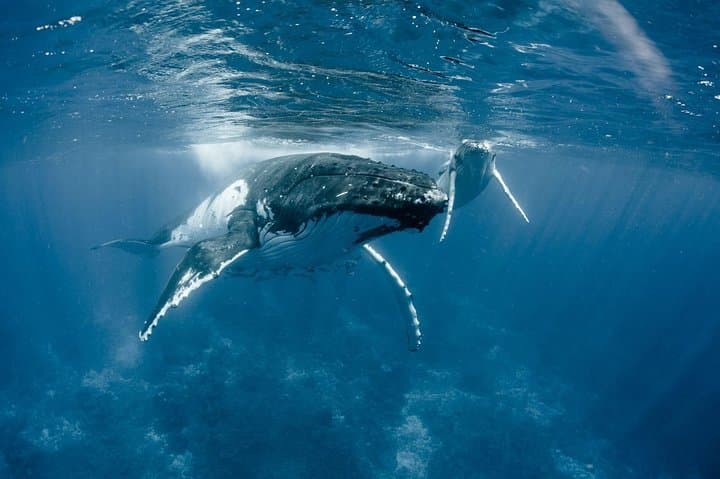
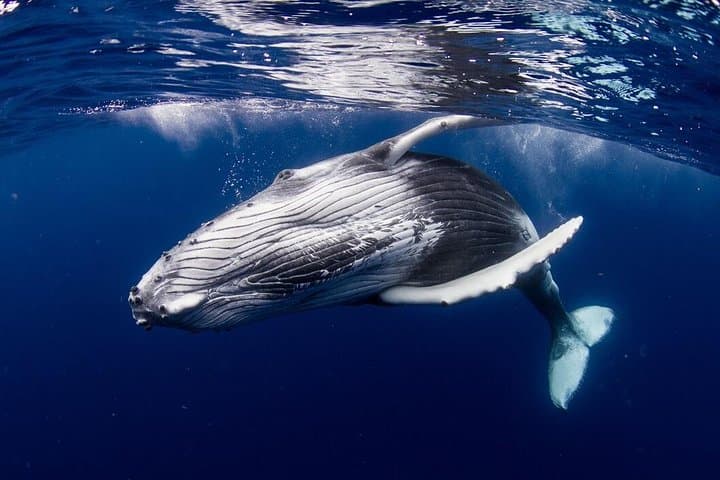
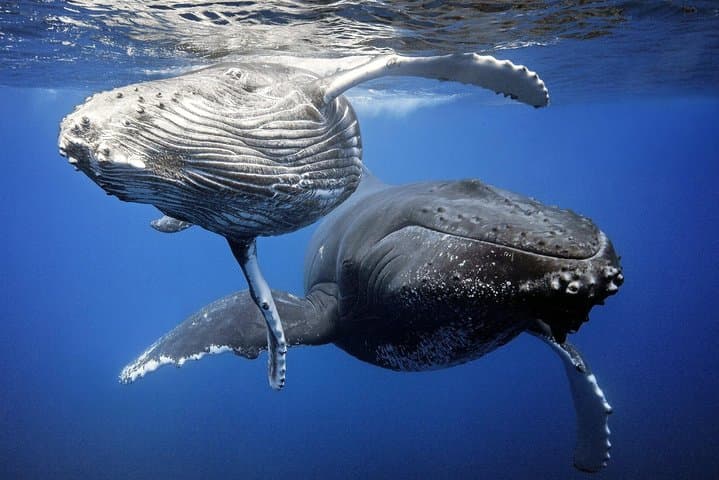
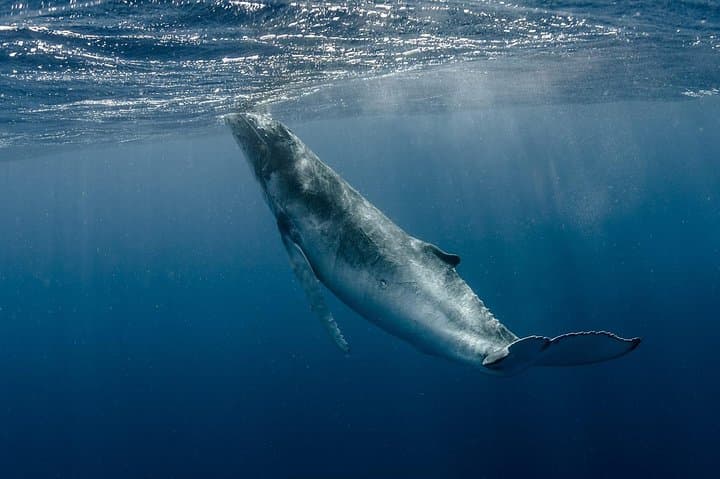
The boat slips out of the lagoon at first light and the reef falls away into open blue. Salt slicks on your wrists, the captain scans the horizon, and a low, rolling song comes over the hydrophone—an invisible living map that pulls you forward. In these months the water is crowded with purpose: humpback whales migrate from Antarctic feeding grounds to calve and sing between July and November.
The boat slips out of the lagoon at first light and the reef falls away into open blue. Salt slicks on your wrists, the captain scans the horizon, and a low, rolling song comes over the hydrophone—an invisible living map that pulls you forward. In these months the water is crowded with purpose: humpback whales migrate from Antarctic feeding grounds to calve and sing between July and November.
French Polynesia declared a whale sanctuary in 2002, and local regulations (arrêté n°005927) govern how vessels and swimmers approach cetaceans. Geologically, Bora Bora’s lagoon is framed by a submerged volcanic caldera and ringed by motu—small islets that create crystal-clear channels and protected feeding areas. The culture here is maritime: voyaging, pearl farming, and a long relationship with the sea shape island life.
Practically, expect a 3.5‑hour boat tour that includes pickup at your hotel or a central meeting point in Vaitape, snorkeling gear, towels, waterproof bags, coffee and snacks. The crew uses a hydrophone to increase sighting chances and will brief you on how to enter the water safely; the operator is registered to allow controlled snorkeling near whales. Morning trips are generally calmer and cooler; afternoons bring softer light and warmer air. Wear reef‑safe sunscreen, bring a light jacket for spray, and plan for gentle motion on open water. If you have heart, spine, or pregnancy concerns, this activity is not recommended. Keep your camera ready—close encounters are possible, but always follow the guide’s instructions and give these animals space to move on their own terms.