THE ADVENTURE COLLECTIVE® · Independent discovery and booking for outdoor travel

Board a private boat from Vaitape and head into turquoise waters to listen for humpback song and, when permitted, snorkel near whales. This 3.5-hour tour combines guided spotting, hydrophone listening, and reef snorkeling under licensed protocols.
Board a private boat from Vaitape and head into turquoise waters to listen for humpback song and, when permitted, snorkel near whales. This 3.5-hour tour combines guided spotting, hydrophone listening, and reef snorkeling under licensed protocols.
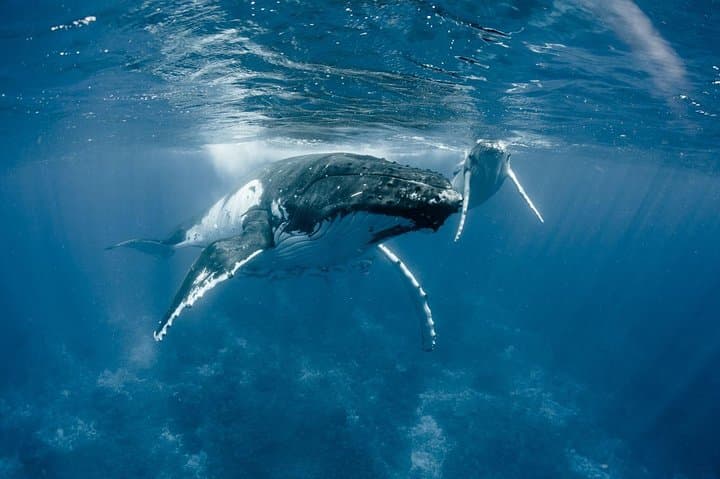
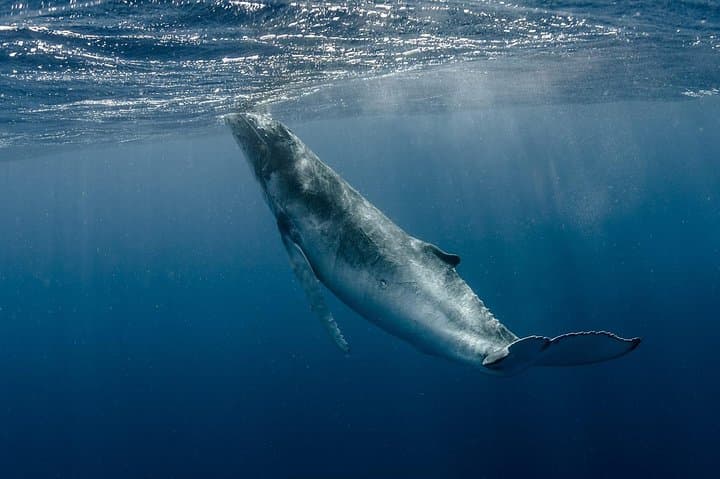
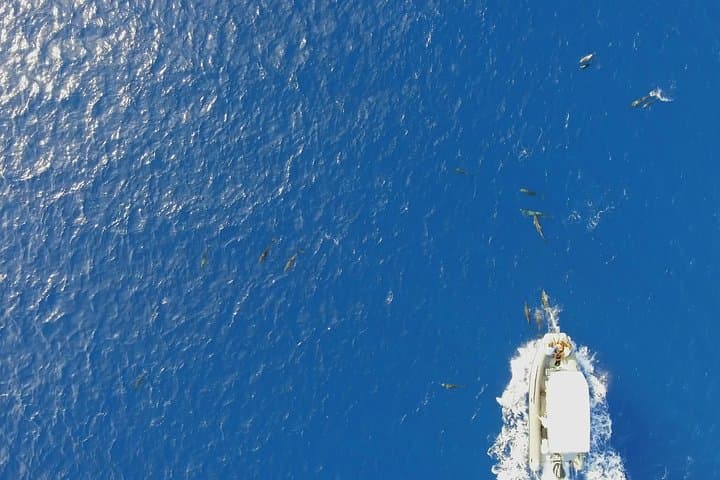
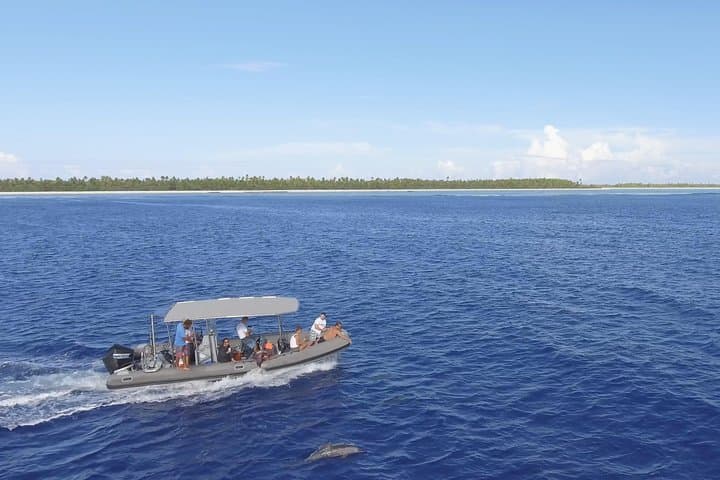
A low hum of the outboard, turquoise reef walls sliding past, and the lagoon holding its breath — that’s the opening scene on a private whale-watching tour in Bora Bora. You board from Vaitape or a beachfront pier, slip past the outer reef, and into open water where humpbacks migrate between July and November. The crew often runs a hydrophone, so moments of watching become listening: whale song rising beneath the hull like an underwater conversation.
Verified experiences and guided adventures in the surrounding area.
Operated by Bora Ocean Adventures · Vaitape, Society Islands
A low hum of the outboard, turquoise reef walls sliding past, and the lagoon holding its breath — that’s the opening scene on a private whale-watching tour in Bora Bora. You board from Vaitape or a beachfront pier, slip past the outer reef, and into open water where humpbacks migrate between July and November. The crew often runs a hydrophone, so moments of watching become listening: whale song rising beneath the hull like an underwater conversation.
Bora Bora is an eroded volcanic cone surrounded by a broad lagoon and a protective coral barrier. Since 2002 French Polynesia is officially a whale sanctuary; local operators follow strict guidelines to reduce disturbance. Culturally, the ocean remains central to Tahitian life — crews balance hospitality with respect for marine mammals and reef ecosystems.
Expect a mix of slow cruising for sightings and short stops for snorkeling when conditions and regulations allow. Guides will brief you on approach distances, and some operators are licensed to let guests snorkel near whales under controlled conditions. The reef sections feature clear visibility and healthy coral bommies, while offshore you’ll watch large animals surface and spout.
Practical tips: plan this tour mid-morning for calmer seas and softer light for photos; bring reef-safe sunscreen, motion-sickness remedies, and a light windbreaker. Shoes that slip on and off easily are useful for beach or jetty boarding. The trip is physically easy but weather-dependent — operators cancel for rough seas. With a private boat you get flexibility on timing and a quieter viewing experience, making this one of the most direct ways to encounter humpbacks in the South Pacific.
easy.
3–3.5 hours.
Suitable for most fitness levels; requires boarding a small boat and brief snorkeling for those who opt in.
Humpback season in French Polynesia runs roughly July through November, when mothers and calves move into warmer waters for calving.
Some licensed operators allow controlled snorkeling near whales when it’s safe and within local regulations; crew will brief you and escort the swim.
Tours are typically canceled or rescheduled for rough seas; operators prioritize safety and animal welfare and may offer refunds if canceled 24 hours in advance.
Yes — the experience is family-friendly; non-swimmers can still enjoy sightings from the boat and many operators provide floatation for snorkeling guests.
Bora Bora formed from an extinct volcanic cone and reef growth; the island’s lagoon and reef have shaped local navigation, fishing, and cultural ties to the sea.
French Polynesia is a designated whale sanctuary with protocols to limit disturbance; choose operators who follow hydrophone-assisted spotting and regulated approach distances.
Bora Ocean Adventures operates guided outdoor trips and adventures with an emphasis on safety, stewardship, and memorable experiences.
A low hum of the outboard, turquoise reef walls sliding past, and the lagoon holding its breath — that’s the opening scene on a private whale-watching tour in Bora Bora. You board from Vaitape or a beachfront pier, slip past the outer reef, and into open water where humpbacks migrate between July and November. The crew often runs a hydrophone, so moments of watching become listening: whale song rising beneath the hull like an underwater conversation.
A low hum of the outboard, turquoise reef walls sliding past, and the lagoon holding its breath — that’s the opening scene on a private whale-watching tour in Bora Bora. You board from Vaitape or a beachfront pier, slip past the outer reef, and into open water where humpbacks migrate between July and November. The crew often runs a hydrophone, so moments of watching become listening: whale song rising beneath the hull like an underwater conversation.
Bora Bora is an eroded volcanic cone surrounded by a broad lagoon and a protective coral barrier. Since 2002 French Polynesia is officially a whale sanctuary; local operators follow strict guidelines to reduce disturbance. Culturally, the ocean remains central to Tahitian life — crews balance hospitality with respect for marine mammals and reef ecosystems.
Expect a mix of slow cruising for sightings and short stops for snorkeling when conditions and regulations allow. Guides will brief you on approach distances, and some operators are licensed to let guests snorkel near whales under controlled conditions. The reef sections feature clear visibility and healthy coral bommies, while offshore you’ll watch large animals surface and spout.
Practical tips: plan this tour mid-morning for calmer seas and softer light for photos; bring reef-safe sunscreen, motion-sickness remedies, and a light windbreaker. Shoes that slip on and off easily are useful for beach or jetty boarding. The trip is physically easy but weather-dependent — operators cancel for rough seas. With a private boat you get flexibility on timing and a quieter viewing experience, making this one of the most direct ways to encounter humpbacks in the South Pacific.