THE ADVENTURE COLLECTIVE® · Independent discovery and booking for outdoor travel

Spend a full day probing Bora Bora’s lagoon: two morning scuba tanks (introductory or certified), lunch on a motu overlooking Mount Otemanu, then an afternoon of snorkeling vibrant coral gardens. Ideal for couples who want both experiences in one seamless day.
Spend a full day probing Bora Bora’s lagoon: two morning scuba tanks (introductory or certified), lunch on a motu overlooking Mount Otemanu, then an afternoon of snorkeling vibrant coral gardens. Ideal for couples who want both experiences in one seamless day.
The motor hums, the lagoon opens, and the color changes from turquoise to cobalt as the boat slips away from Matira’s shoreline. Morning light sharpens the silhouette of Mount Otemanu while dive crews brief the day: two morning tanks for certified or introductory divers, a Polynesian-style lunch on a motu with feet in the water, then an afternoon circling coral gardens with snorkel gear in hand.
Verified experiences and guided adventures in the surrounding area.
Operated by H2O BORA BORA · Vaitape, Bora Bora
The motor hums, the lagoon opens, and the color changes from turquoise to cobalt as the boat slips away from Matira’s shoreline. Morning light sharpens the silhouette of Mount Otemanu while dive crews brief the day: two morning tanks for certified or introductory divers, a Polynesian-style lunch on a motu with feet in the water, then an afternoon circling coral gardens with snorkel gear in hand.
Bora Bora’s lagoon is a geologic bowl carved by volcanic uplift and coral growth; the islands are the eroded peaks of an ancient volcano ringed by a barrier reef. Culturally the lagoon has always been central — a food source, a travelway, and today a tourism engine that balances tradition and hospitality in small guesthouses and family-run restaurants. Guides commonly point out pearl farms, WWII relics, and the changing health of reef systems.
Practical notes: expect a full 7-hour day with boat transfers, briefings, weight checks, and surface intervals. Introductory (discover) dives allow non-certified guests to experience a supervised two-tank profile; certified divers follow local site planning. Bring your certification card if applicable, sun protection, and a light dry bag for camera and phone. Motion-sensitive travelers should take preventative meds; the ocean can be playful. Hydrate before boarding and listen to the safety brief — currents and reef rules are enforced. The afternoon snorkel is gentler and excellent for comparing reef zones and spotting turtles, rays, and dense schools of tropical fish. By day’s end you’ve seen both below and above the waterline — an efficient, island-rooted way to read Bora Bora in a single, long, brilliant day.
moderate.
7 hours (full day).
Moderate fitness: able to swim, handle short surface swims, and climb laddered boat exits; some mobility required for motu transfers.
No — the operator offers introductory two-tank dives (Discover Scuba) under instructor supervision; certified divers follow a standard guided profile.
Age restrictions vary by operator and dive type; introductory dives commonly require a minimum age (often 10–12); check when booking and disclose ages on the reservation form.
The tour runs about 7 hours and typically includes two scuba tanks, snorkel equipment, bottled water, a light snack, lunch on a motu, towels, and a discount at the local pearl shop.
Operators cancel in poor weather for safety and typically offer a full refund if cancelled at least 24 hours before departure or when conditions force cancellation.
Bora Bora’s islands are the exposed peaks of a collapsed volcano; the lagoon and motus have supported Polynesian navigation and now host pearl farms and small-scale fishing.
Operators emphasize no-touch rules and reef-safe products; visitors are encouraged to avoid anchoring on coral and to support local reef restoration initiatives.
H2O BORA BORA operates guided outdoor trips and adventures with an emphasis on safety, stewardship, and memorable experiences.
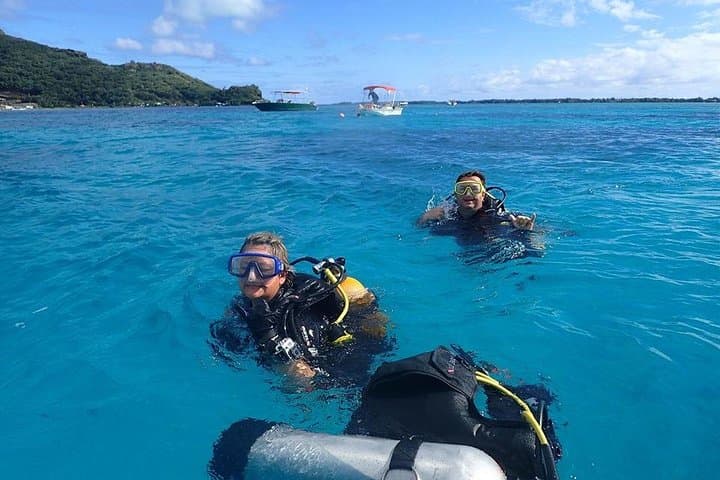
The motor hums, the lagoon opens, and the color changes from turquoise to cobalt as the boat slips away from Matira’s shoreline. Morning light sharpens the silhouette of Mount Otemanu while dive crews brief the day: two morning tanks for certified or introductory divers, a Polynesian-style lunch on a motu with feet in the water, then an afternoon circling coral gardens with snorkel gear in hand.
The motor hums, the lagoon opens, and the color changes from turquoise to cobalt as the boat slips away from Matira’s shoreline. Morning light sharpens the silhouette of Mount Otemanu while dive crews brief the day: two morning tanks for certified or introductory divers, a Polynesian-style lunch on a motu with feet in the water, then an afternoon circling coral gardens with snorkel gear in hand.
Bora Bora’s lagoon is a geologic bowl carved by volcanic uplift and coral growth; the islands are the eroded peaks of an ancient volcano ringed by a barrier reef. Culturally the lagoon has always been central — a food source, a travelway, and today a tourism engine that balances tradition and hospitality in small guesthouses and family-run restaurants. Guides commonly point out pearl farms, WWII relics, and the changing health of reef systems.
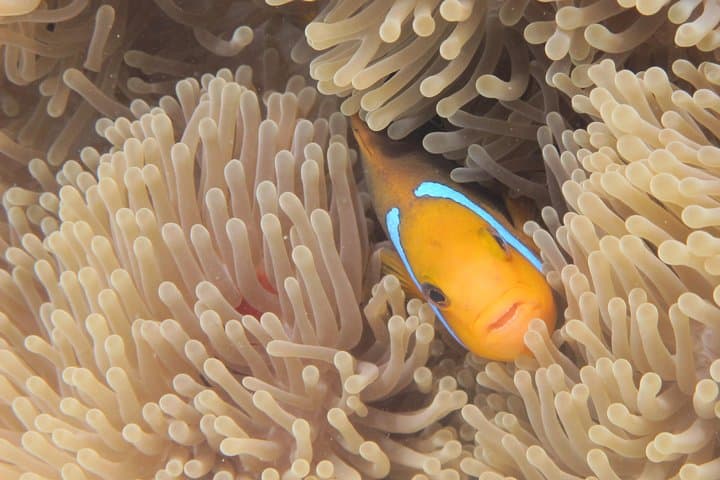
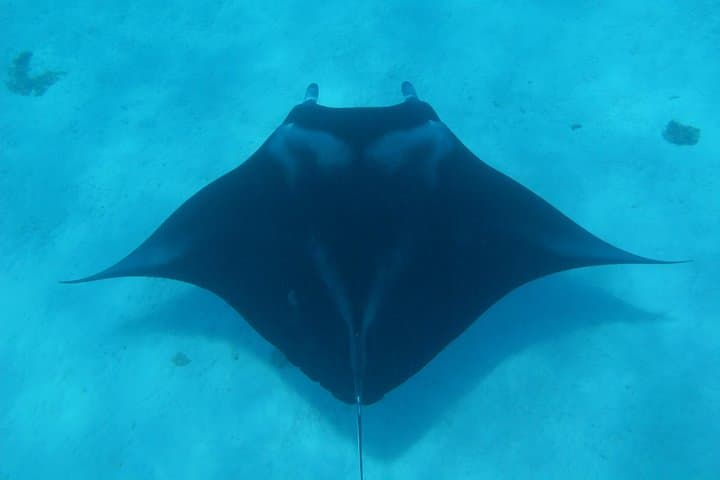
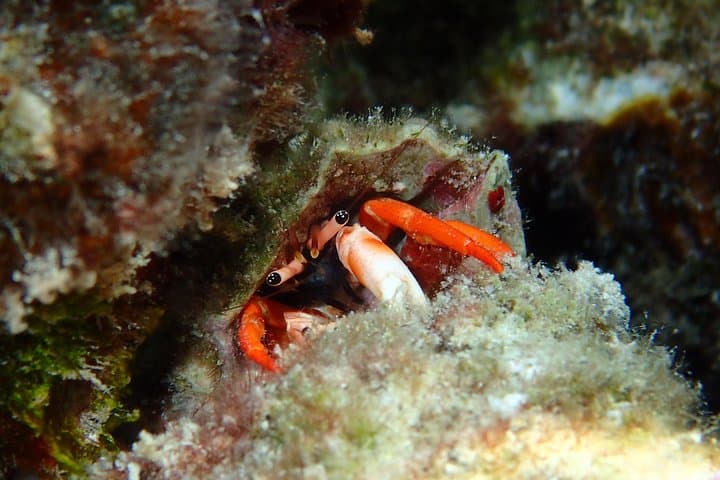
Practical notes: expect a full 7-hour day with boat transfers, briefings, weight checks, and surface intervals. Introductory (discover) dives allow non-certified guests to experience a supervised two-tank profile; certified divers follow local site planning. Bring your certification card if applicable, sun protection, and a light dry bag for camera and phone. Motion-sensitive travelers should take preventative meds; the ocean can be playful. Hydrate before boarding and listen to the safety brief — currents and reef rules are enforced. The afternoon snorkel is gentler and excellent for comparing reef zones and spotting turtles, rays, and dense schools of tropical fish. By day’s end you’ve seen both below and above the waterline — an efficient, island-rooted way to read Bora Bora in a single, long, brilliant day.