THE ADVENTURE COLLECTIVE® · Independent discovery and booking for outdoor travel

See Bora Bora from above on a private 30-minute light-aircraft flight that follows the reef at about 400 meters. Expect slow, low passes over turquoise lagoons, luxury motus, and reef channels—ideal for photography and quick aerial orientation of the island.
See Bora Bora from above on a private 30-minute light-aircraft flight that follows the reef at about 400 meters. Expect slow, low passes over turquoise lagoons, luxury motus, and reef channels—ideal for photography and quick aerial orientation of the island.
You lift from the small runway and Bora Bora falls away beneath you: a ribbon of reef carving the lagoon into electric blues, palms lining beaches that look like brushstrokes from a distance, and hotel bungalows punctuating the water. At roughly 400 meters, the plane slows so the colors and contours of the coral belt register clearly — shallow turquoise shallows giving way to the deep indigo of the open ocean.
Verified experiences and guided adventures in the surrounding area.
Operated by Tahiti Air Lagon · Vaitape, Society Islands
You lift from the small runway and Bora Bora falls away beneath you: a ribbon of reef carving the lagoon into electric blues, palms lining beaches that look like brushstrokes from a distance, and hotel bungalows punctuating the water. At roughly 400 meters, the plane slows so the colors and contours of the coral belt register clearly — shallow turquoise shallows giving way to the deep indigo of the open ocean.
Geology here is obvious from above: an extinct volcanic cone ringed by a living coral reef. Polynesian settlers arrived centuries ago, and European contact followed in the 18th century; during World War II the island briefly became a strategic base for Allied seaplanes and supply. Culture on land remains quietly local — small villages, coconut groves, and a lagoon economy centered on fishing and hospitality.
The flight itself is a short, private experience designed for two people on board at a time; if you book as a group, passengers take turns while others wait at the airport café overlooking the lagoon. Expect sweeping aerial views of Motus (small islets), hotel motu lines, and reef channels where rays and sharks sometimes trace the shallows. The operator flies slow and low to maximize viewing time; landing and facility fees are included.
Practical guidance: bring sun protection and a windproof layer (the cockpit can be breezy), secure cameras with wrist straps, and arrive early for a weight/height brief — light aircraft have strict limits. Not recommended for pregnant travelers or those with serious heart conditions. Flights are cancellable for weather; plan this for a clear-morning slot when winds are lighter and visibility is best.
easy.
30 minutes.
No special fitness required; must be able to step into a small aircraft and sit for the duration.
The aircraft is private for two people; larger parties rotate so each pair flies while others wait in the airport café.
Operators ask for weight and height during booking to ensure safe loading; children are allowed but must meet seat and safety requirements communicated before the flight.
Flights are cancellable for bad weather; the operator will reschedule or refund if winds, low clouds, or rain reduce visibility or safety.
Yes — photography is encouraged; use a strap and avoid blocking the pilot's view or cabin doors if open for photos.
Bora Bora was settled by Polynesians centuries ago and hosted an Allied staging base in World War II, which briefly brought military infrastructure to the island.
The lagoon’s coral is sensitive to warming and boat traffic; operators encourage no-touch policies and minimal disturbance to marine life.
Tahiti Air Lagon operates guided outdoor trips and adventures with an emphasis on safety, stewardship, and memorable experiences.
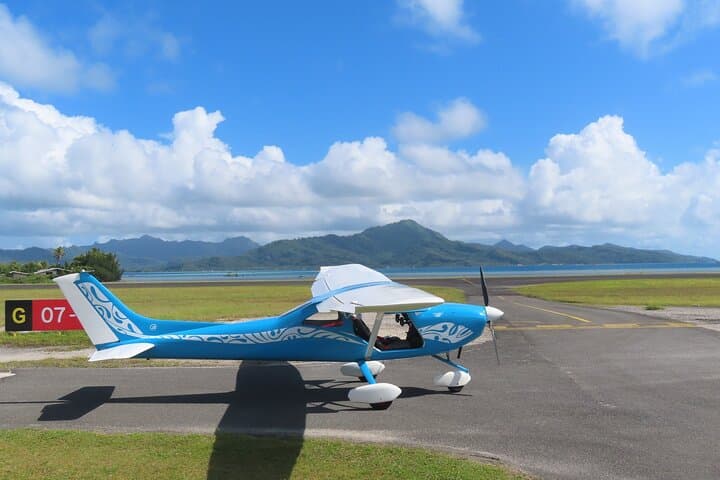
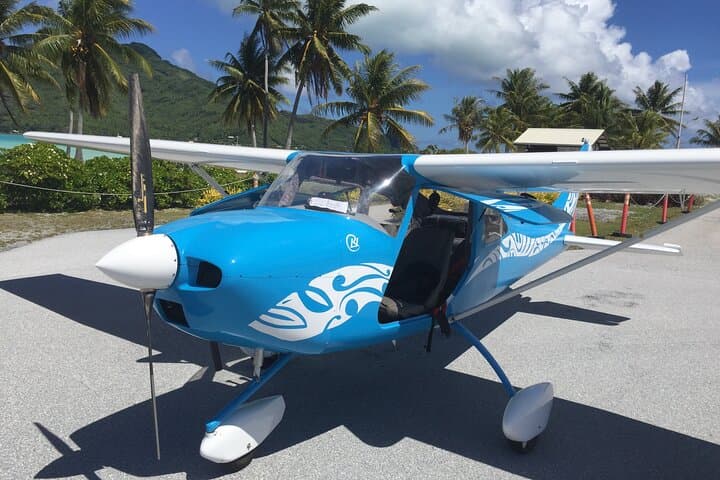
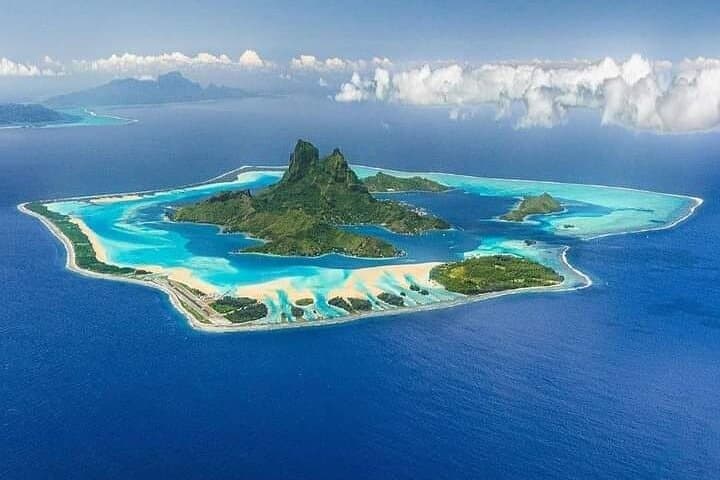
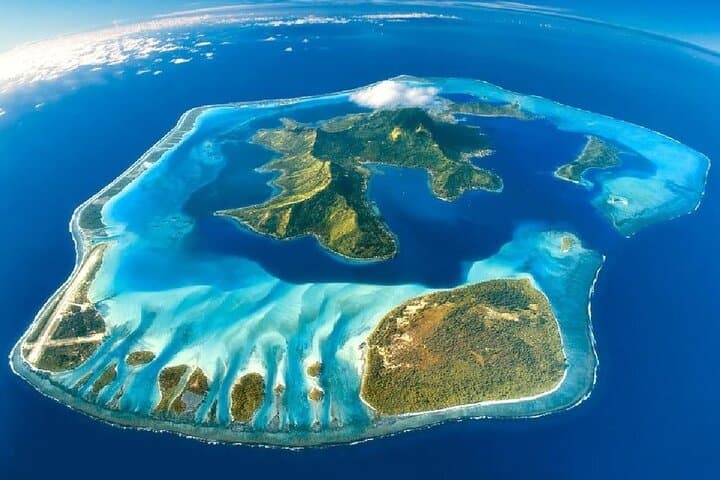
You lift from the small runway and Bora Bora falls away beneath you: a ribbon of reef carving the lagoon into electric blues, palms lining beaches that look like brushstrokes from a distance, and hotel bungalows punctuating the water. At roughly 400 meters, the plane slows so the colors and contours of the coral belt register clearly — shallow turquoise shallows giving way to the deep indigo of the open ocean.
You lift from the small runway and Bora Bora falls away beneath you: a ribbon of reef carving the lagoon into electric blues, palms lining beaches that look like brushstrokes from a distance, and hotel bungalows punctuating the water. At roughly 400 meters, the plane slows so the colors and contours of the coral belt register clearly — shallow turquoise shallows giving way to the deep indigo of the open ocean.
Geology here is obvious from above: an extinct volcanic cone ringed by a living coral reef. Polynesian settlers arrived centuries ago, and European contact followed in the 18th century; during World War II the island briefly became a strategic base for Allied seaplanes and supply. Culture on land remains quietly local — small villages, coconut groves, and a lagoon economy centered on fishing and hospitality.
The flight itself is a short, private experience designed for two people on board at a time; if you book as a group, passengers take turns while others wait at the airport café overlooking the lagoon. Expect sweeping aerial views of Motus (small islets), hotel motu lines, and reef channels where rays and sharks sometimes trace the shallows. The operator flies slow and low to maximize viewing time; landing and facility fees are included.
Practical guidance: bring sun protection and a windproof layer (the cockpit can be breezy), secure cameras with wrist straps, and arrive early for a weight/height brief — light aircraft have strict limits. Not recommended for pregnant travelers or those with serious heart conditions. Flights are cancellable for weather; plan this for a clear-morning slot when winds are lighter and visibility is best.