THE ADVENTURE COLLECTIVE® · Independent discovery and booking for outdoor travel

Step into the heart of Boquete’s coffee country at Bonita Springs—an active family farm where small-batch processing meets professional cupping. This concise tour blends a plantation walk, processing insights, and a guided tasting in a 2–3 hour experience.
Step into the heart of Boquete’s coffee country at Bonita Springs—an active family farm where small-batch processing meets professional cupping. This concise tour blends a plantation walk, processing insights, and a guided tasting in a 2–3 hour experience.
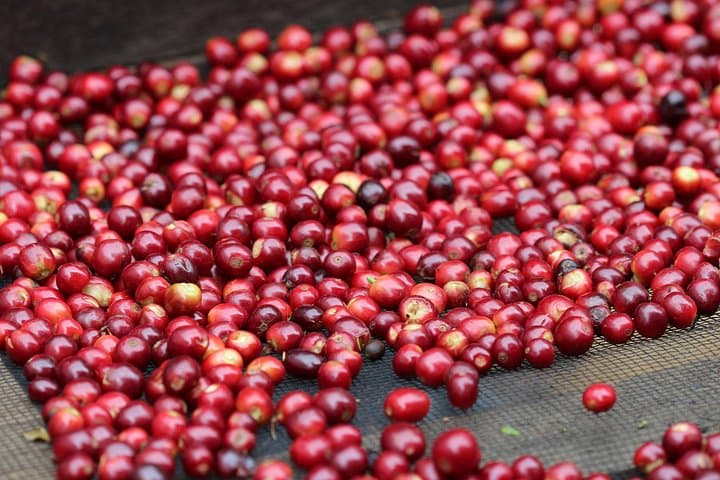
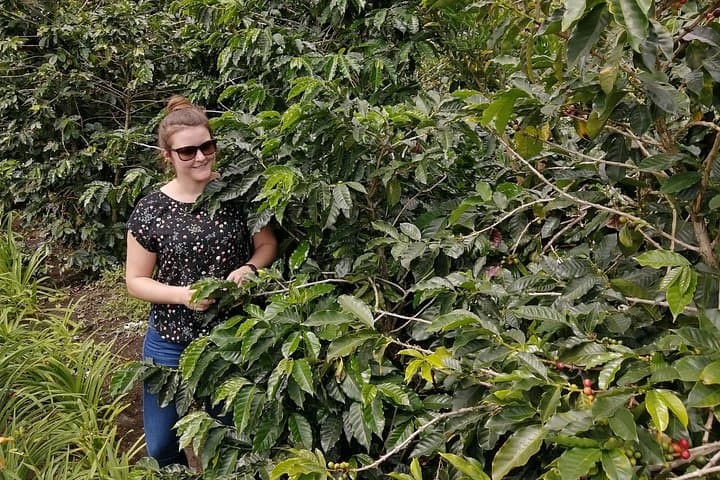
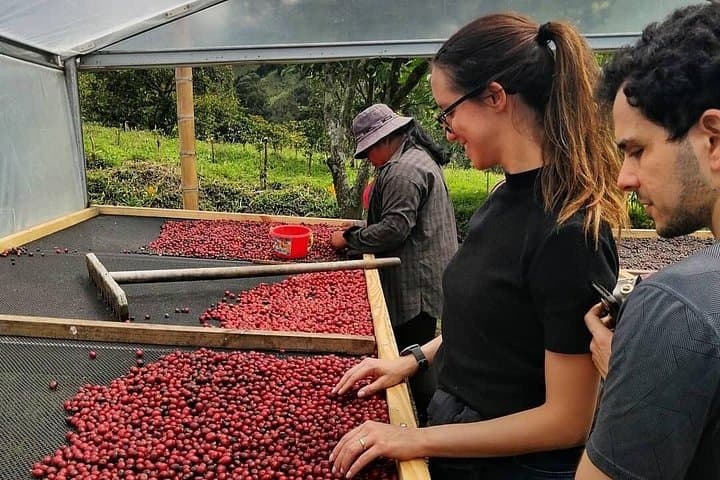
Morning mist curls through the rows of coffee plants as the narrow farm road climbs into Boquete’s highlands. The air smells of damp earth and green fruit; leaves whisper while birds pull at ripe cherries. On arrival at Bonita Springs, the scene is work and ritual—farmhands, drying patios, and the low hum of sorting machines—an active coffee farm rather than a staged exhibit.
Verified experiences and guided adventures in the surrounding area.
Operated by BQT Tours Shuttles · Boquete, Chiriquí
Morning mist curls through the rows of coffee plants as the narrow farm road climbs into Boquete’s highlands. The air smells of damp earth and green fruit; leaves whisper while birds pull at ripe cherries. On arrival at Bonita Springs, the scene is work and ritual—farmhands, drying patios, and the low hum of sorting machines—an active coffee farm rather than a staged exhibit.
Boquete sits on volcanic soils in Panama’s Chiriquí Highlands, where elevation (roughly 1,000–1,600 m) and steady cloud cover create distinct microclimates ideal for Arabica varieties. The region’s coffee history ties to early 20th-century settlers and evolving specialty markets; today small farms like the Miro family’s focus on small-lot processing and cupping standards used by international roasters.
Culturally, coffee here is both livelihood and craft—harvest rhythms, communal processing, and an emphasis on traceability shape daily life. Geology gives the beans acidity and clarity; farmers manipulate processing methods (washed, honey, natural) to highlight those traits.
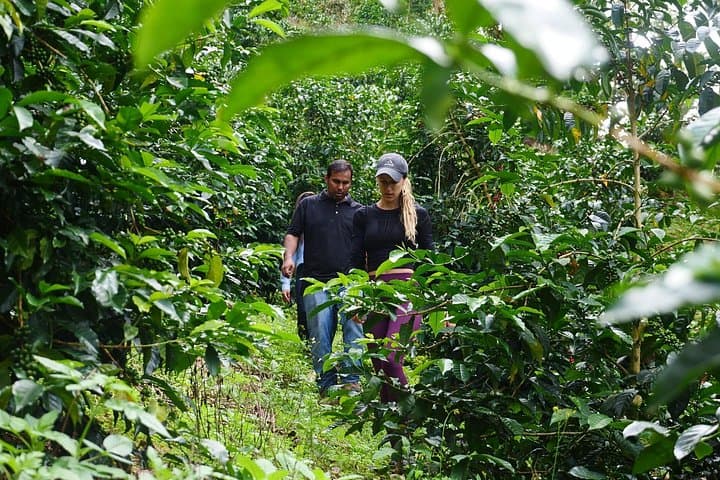
Practically, the tour mixes a short plantation hike (roughly 1–2 km, gentle 50–100 m gain), a walkthrough of processing stations, and a guided cupping session where guests taste and score coffees. Expect 2–3 hours total, small groups (max 10), bilingual guides at times, and hotel pickup from Boquete.
Bring closed-toe shoes, a light rain jacket, and a curious palate. Guests should be ready for uneven mud or gravel underfoot and for questions—this is hands-on learning, not a passive viewing. By the end, visitors will not only identify tasting notes but understand the farm decisions that put them there.
easy.
2–3 hours.
Suitable for most fitness levels; able to walk 1–2 km on uneven ground and stand during a cupping session.
Yes—tour notes say it’s suitable for all fitness levels; infants must sit on an adult’s lap and child rates apply when sharing with two paying adults.
Pickup and drop-off are included for selected hotels in Boquete; confirm your pickup point when booking.
Yes—most small farms sell beans, often in single-origin or small-batch roasts; ask about roast dates and recommended storage.
Guides may be multilingual (English/Spanish); confirm language availability when booking.
Coffee cultivation in Boquete expanded in the early 20th century; over decades smallholdings and specialty-focused producers turned the region into a global micro-lot destination.
Many local farms emphasize sustainable practices—shade-grown plots, water management for processing, and careful drying to reduce waste; guests are encouraged to respect farm operations and avoid single-use plastics when possible.
BQT Tours Shuttles operates guided outdoor trips and adventures with an emphasis on safety, stewardship, and memorable experiences.
Morning mist curls through the rows of coffee plants as the narrow farm road climbs into Boquete’s highlands. The air smells of damp earth and green fruit; leaves whisper while birds pull at ripe cherries. On arrival at Bonita Springs, the scene is work and ritual—farmhands, drying patios, and the low hum of sorting machines—an active coffee farm rather than a staged exhibit.
Morning mist curls through the rows of coffee plants as the narrow farm road climbs into Boquete’s highlands. The air smells of damp earth and green fruit; leaves whisper while birds pull at ripe cherries. On arrival at Bonita Springs, the scene is work and ritual—farmhands, drying patios, and the low hum of sorting machines—an active coffee farm rather than a staged exhibit.
Boquete sits on volcanic soils in Panama’s Chiriquí Highlands, where elevation (roughly 1,000–1,600 m) and steady cloud cover create distinct microclimates ideal for Arabica varieties. The region’s coffee history ties to early 20th-century settlers and evolving specialty markets; today small farms like the Miro family’s focus on small-lot processing and cupping standards used by international roasters.
Culturally, coffee here is both livelihood and craft—harvest rhythms, communal processing, and an emphasis on traceability shape daily life. Geology gives the beans acidity and clarity; farmers manipulate processing methods (washed, honey, natural) to highlight those traits.
Practically, the tour mixes a short plantation hike (roughly 1–2 km, gentle 50–100 m gain), a walkthrough of processing stations, and a guided cupping session where guests taste and score coffees. Expect 2–3 hours total, small groups (max 10), bilingual guides at times, and hotel pickup from Boquete.
Bring closed-toe shoes, a light rain jacket, and a curious palate. Guests should be ready for uneven mud or gravel underfoot and for questions—this is hands-on learning, not a passive viewing. By the end, visitors will not only identify tasting notes but understand the farm decisions that put them there.