THE ADVENTURE COLLECTIVE® · Independent discovery and booking for outdoor travel

Walk the Avenue of Oaks, explore historic slave cabins and gardens, and join a tractor tour across 738 acres at Boone Hall Plantation. This all-access ticket bundles house tours, museums, and live Gullah presentations into a 2–4 hour visit.
Walk the Avenue of Oaks, explore historic slave cabins and gardens, and join a tractor tour across 738 acres at Boone Hall Plantation. This all-access ticket bundles house tours, museums, and live Gullah presentations into a 2–4 hour visit.
You step through a tunnel of live oaks — their limbs low and deliberate, leaves whispering as you walk the Avenue of Oaks toward a red-brick house that has watched the Ashley River for generations.
Verified experiences and guided adventures in the surrounding area.
Operated by Boone Hall Plantation · Mount Pleasant, South Carolina
You step through a tunnel of live oaks — their limbs low and deliberate, leaves whispering as you walk the Avenue of Oaks toward a red-brick house that has watched the Ashley River for generations.
Boone Hall is both cultivated garden and living archive: formal plantings shift to pastures and marsh, while nine original slave cabins anchor the site’s interpretation of Gullah history. Geologically the Lowcountry is flat and tidal; soils here are fine alluvium that support azaleas, magnolias, and marsh grasses. The plantation’s gin house museum traces agricultural technology across centuries, and the tractor tour lays out 738 acres of working land, film locations, and landscape features you’ll otherwise miss.
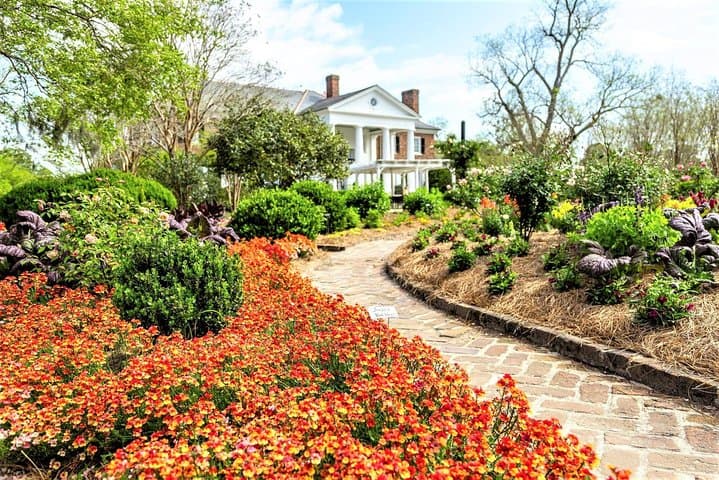
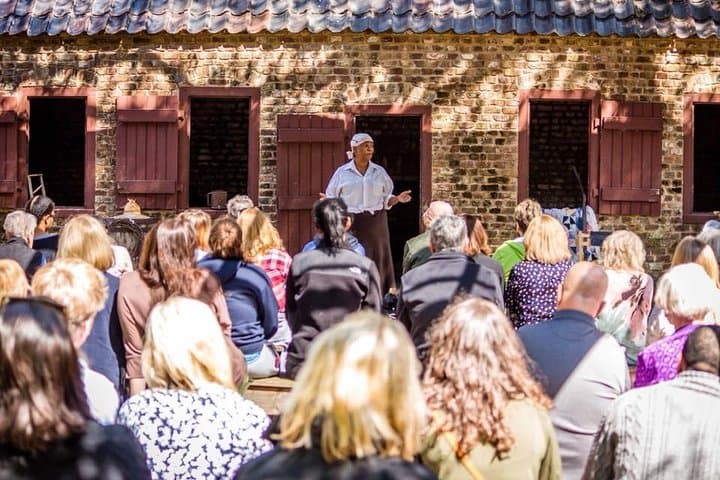
Culturally, Boone Hall foregrounds the Gullah community — their music, stories, and crafts are part of the on-site presentation and the Black History in America exhibit in the cabins. Expect straightforward storytelling about the plantation era alongside horticultural highlights such as the formal Gardens and carriage paths.
Practical guidance: allow 2–4 hours to move through the grounds, house tour, museum, tractor tour, and live presentation. Wear sturdy walking shoes for grass and compacted sand; bring sun protection and water in warm months. Mornings are quieter and softer for photography; late afternoon light warms the oak avenue but afternoons can bring quick summer storms. Accessibility is good on the grounds, though the house and cabins include steps. Respect exhibits and interpretive spaces: photography is encouraged in outdoor areas, but interior rules vary. Parking is free; present your ticket at the front gate. Boone Hall blends garden walking, cultural interpretation, and lowcountry scenery — an accessible, educational outdoor experience for most visitors.
easy.
2–4 hours.
Suitable for most fitness levels; involves walking on flat but sometimes uneven surfaces for several hours
Plan 2–4 hours to see the gardens, first-floor house tour, gin house museum, Black History exhibit in the slave cabins, and the tractor tour (when running).
Most outdoor grounds are accessible and paths are hard-packed sand or grass; the mansion and some cabins have steps—staff can assist and provide seating during house tours.
Photography policies vary by indoor space; outdoor photography is generally allowed, but please follow posted signs and docent instructions for interior rooms and exhibits.
For a full refund cancel at least 24 hours before your scheduled time; tickets may be non-refundable within 24 hours and events can be canceled for bad weather.
The property dates to the plantation era and presents onsite interpretation of enslaved people’s lives, with original slave cabins used to tell Gullah history alongside agricultural exhibits.
Visitors help preserve fragile cultural sites and landscapes by staying on paths, not disturbing exhibits, and supporting site programs; the plantation balances tourism with ongoing stewardship of historic fabric and wetlands.
Boone Hall Plantation operates guided outdoor trips and adventures with an emphasis on safety, stewardship, and memorable experiences.
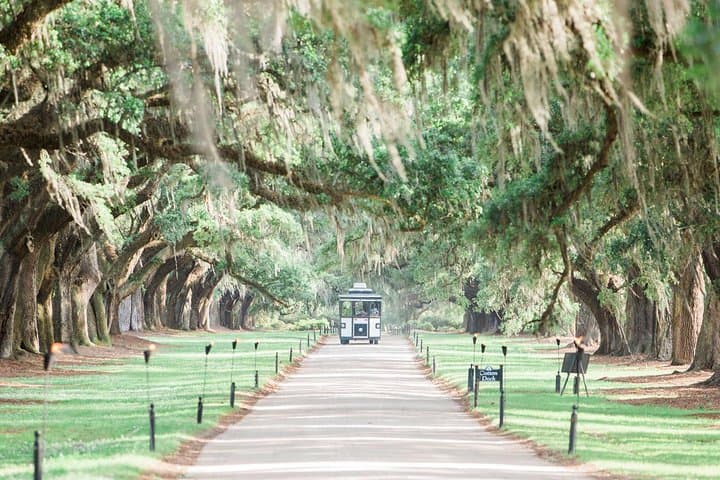
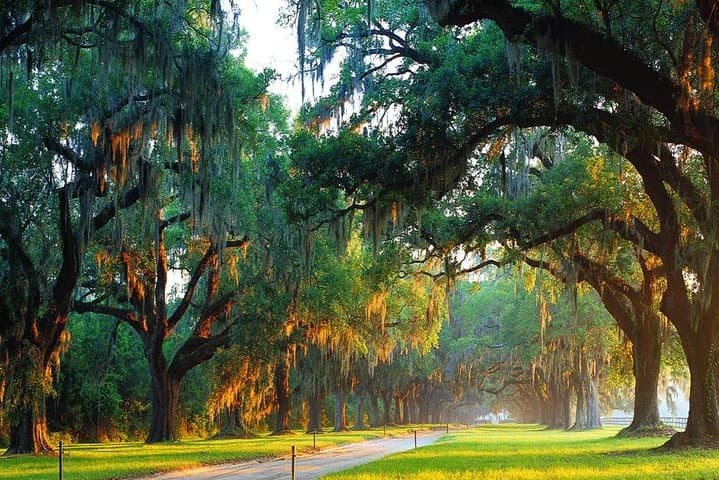
You step through a tunnel of live oaks — their limbs low and deliberate, leaves whispering as you walk the Avenue of Oaks toward a red-brick house that has watched the Ashley River for generations.
You step through a tunnel of live oaks — their limbs low and deliberate, leaves whispering as you walk the Avenue of Oaks toward a red-brick house that has watched the Ashley River for generations.
Boone Hall is both cultivated garden and living archive: formal plantings shift to pastures and marsh, while nine original slave cabins anchor the site’s interpretation of Gullah history. Geologically the Lowcountry is flat and tidal; soils here are fine alluvium that support azaleas, magnolias, and marsh grasses. The plantation’s gin house museum traces agricultural technology across centuries, and the tractor tour lays out 738 acres of working land, film locations, and landscape features you’ll otherwise miss.
Culturally, Boone Hall foregrounds the Gullah community — their music, stories, and crafts are part of the on-site presentation and the Black History in America exhibit in the cabins. Expect straightforward storytelling about the plantation era alongside horticultural highlights such as the formal Gardens and carriage paths.
Practical guidance: allow 2–4 hours to move through the grounds, house tour, museum, tractor tour, and live presentation. Wear sturdy walking shoes for grass and compacted sand; bring sun protection and water in warm months. Mornings are quieter and softer for photography; late afternoon light warms the oak avenue but afternoons can bring quick summer storms. Accessibility is good on the grounds, though the house and cabins include steps. Respect exhibits and interpretive spaces: photography is encouraged in outdoor areas, but interior rules vary. Parking is free; present your ticket at the front gate. Boone Hall blends garden walking, cultural interpretation, and lowcountry scenery — an accessible, educational outdoor experience for most visitors.