THE ADVENTURE COLLECTIVE® · Independent discovery and booking for outdoor travel

Spend a half-day from Hobart combining close-up wildlife encounters at Bonorong Wildlife Sanctuary with a walking tour of historic Richmond. This guided trip mixes hands-on animal experiences and colonial history with transport and entry fees included.
Spend a half-day from Hobart combining close-up wildlife encounters at Bonorong Wildlife Sanctuary with a walking tour of historic Richmond. This guided trip mixes hands-on animal experiences and colonial history with transport and entry fees included.
You step off the coach as the eucalyptus air pushes against your jacket and a chorus of birds punctuates the morning. At Bonorong Wildlife Sanctuary the landscape feels alive: kangaroos thread through grassy paddocks, wombats eye you from low mounds, and Tasmanian devils pace behind secure enclosures that pulse with rescue work.
Verified experiences and guided adventures in the surrounding area.
Operated by eGuide · Hobart, Tasmania
You step off the coach as the eucalyptus air pushes against your jacket and a chorus of birds punctuates the morning. At Bonorong Wildlife Sanctuary the landscape feels alive: kangaroos thread through grassy paddocks, wombats eye you from low mounds, and Tasmanian devils pace behind secure enclosures that pulse with rescue work.
Bonorong’s mission is modern conservation layered over a landscape shaped by ancient geology — dolerite outcrops and gently rolling coal measures that feed fertile pastures. A short drive east, Richmond keeps colonial Tasmania visible in its sandstone bridge (built by convicts in 1825), gaol, and cottages; the town is a compact study in 19th-century settlement patterns and rural commerce along the Coal River valley.
Culturally, the tour balances animal encounters and local history: expect talking points about rescue operations, rehabilitative feeding, and the convict labor that built early infrastructure. Guide commentary usually threads natural history with human stories, giving context without slowing the pace.
Practical side: this is a half-day out of Hobart (roughly 5–6 hours total). Terrain is flat at Bonorong and on Richmond’s streets, but surfaces can be muddy after rain. Wear sturdy walking shoes, bring water and sun protection, and allow time for photos at Richmond Bridge and the gaol. The schedule typically provides 90 minutes at the sanctuary and about an hour wandering Richmond, with transport and entry fees included. It’s accessible for most travelers but expect light walking and short transfers by coach. The experience pairs wildlife viewing with a concise lesson in Tasmania’s colonial past — good for families, history buffs, and anyone who wants wildlife close to the city without a long drive.
easy.
5–6 hours.
Suitable for most fitness levels; involves short walks and standing during animal encounters.
Most departures are from central Hobart (near the cruise terminal/Franklin Wharf); the operator provides exact meeting instructions on your booking confirmation.
Some animals like kangaroos may be hand-fed under staff supervision; feeding and contact are managed by guides to protect animal health.
Richmond’s main sites have some flat, accessible areas, but cobblestones and narrow paths can be challenging; contact the operator to discuss specific needs.
Full refunds are typically available if you cancel at least 24 hours before departure; check your booking confirmation for exact terms.
Richmond preserves convict-era infrastructure, including the 1825 convict-built Richmond Bridge and Australia’s oldest intact gaol, reflecting early 19th-century colonial settlement.
Bonorong runs rescue and rehabilitation programs for injured or orphaned native wildlife; visitors help by supporting entry fees and following handling guidelines to reduce stress on animals.
eGuide operates guided outdoor trips and adventures with an emphasis on safety, stewardship, and memorable experiences.
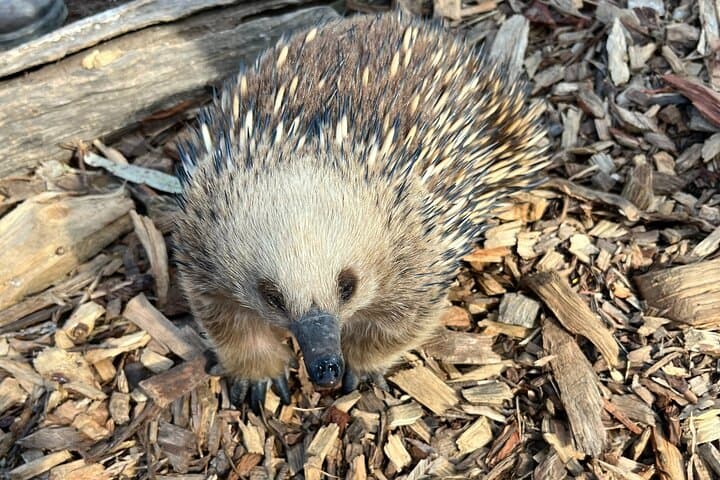
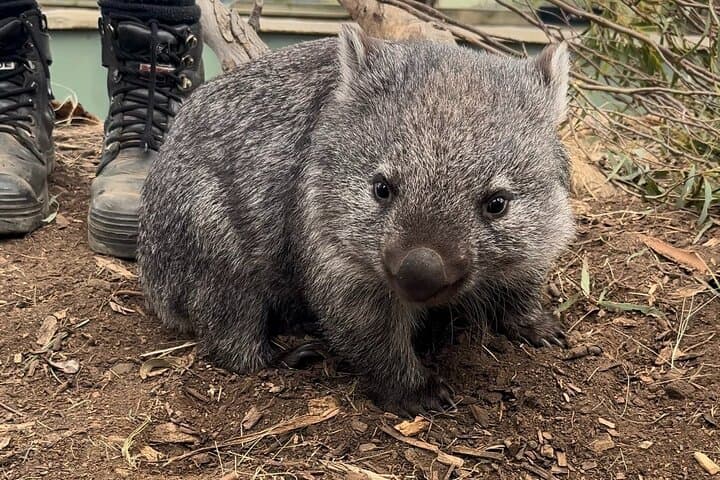
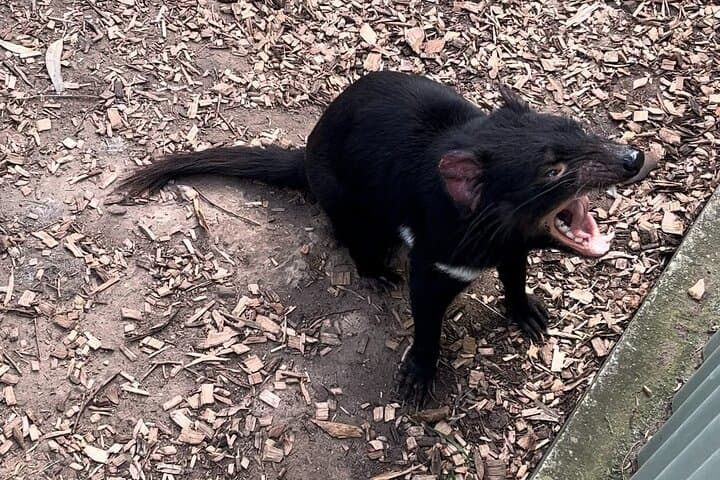
You step off the coach as the eucalyptus air pushes against your jacket and a chorus of birds punctuates the morning. At Bonorong Wildlife Sanctuary the landscape feels alive: kangaroos thread through grassy paddocks, wombats eye you from low mounds, and Tasmanian devils pace behind secure enclosures that pulse with rescue work.
You step off the coach as the eucalyptus air pushes against your jacket and a chorus of birds punctuates the morning. At Bonorong Wildlife Sanctuary the landscape feels alive: kangaroos thread through grassy paddocks, wombats eye you from low mounds, and Tasmanian devils pace behind secure enclosures that pulse with rescue work.
Bonorong’s mission is modern conservation layered over a landscape shaped by ancient geology — dolerite outcrops and gently rolling coal measures that feed fertile pastures. A short drive east, Richmond keeps colonial Tasmania visible in its sandstone bridge (built by convicts in 1825), gaol, and cottages; the town is a compact study in 19th-century settlement patterns and rural commerce along the Coal River valley.
Culturally, the tour balances animal encounters and local history: expect talking points about rescue operations, rehabilitative feeding, and the convict labor that built early infrastructure. Guide commentary usually threads natural history with human stories, giving context without slowing the pace.
Practical side: this is a half-day out of Hobart (roughly 5–6 hours total). Terrain is flat at Bonorong and on Richmond’s streets, but surfaces can be muddy after rain. Wear sturdy walking shoes, bring water and sun protection, and allow time for photos at Richmond Bridge and the gaol. The schedule typically provides 90 minutes at the sanctuary and about an hour wandering Richmond, with transport and entry fees included. It’s accessible for most travelers but expect light walking and short transfers by coach. The experience pairs wildlife viewing with a concise lesson in Tasmania’s colonial past — good for families, history buffs, and anyone who wants wildlife close to the city without a long drive.