THE ADVENTURE COLLECTIVE® · Independent discovery and booking for outdoor travel

Trace Bonnie Prince Charlie’s footsteps along Edinburgh’s Royal Mile on this two-hour guided walk. Explore 1745 Jacobite sites, kirkyards and narrow closes while a local guide brings the city’s political drama to life.
Trace Bonnie Prince Charlie’s footsteps along Edinburgh’s Royal Mile on this two-hour guided walk. Explore 1745 Jacobite sites, kirkyards and narrow closes while a local guide brings the city’s political drama to life.
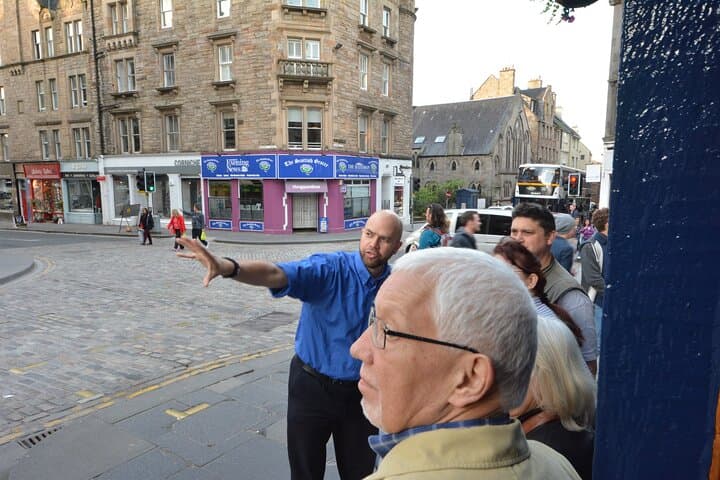
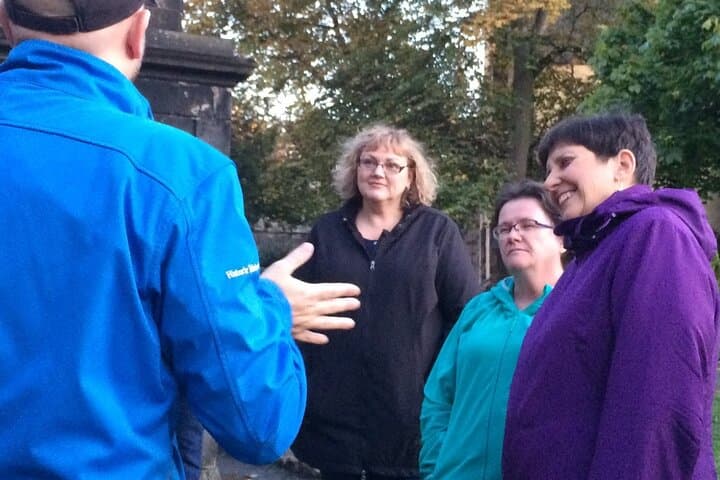
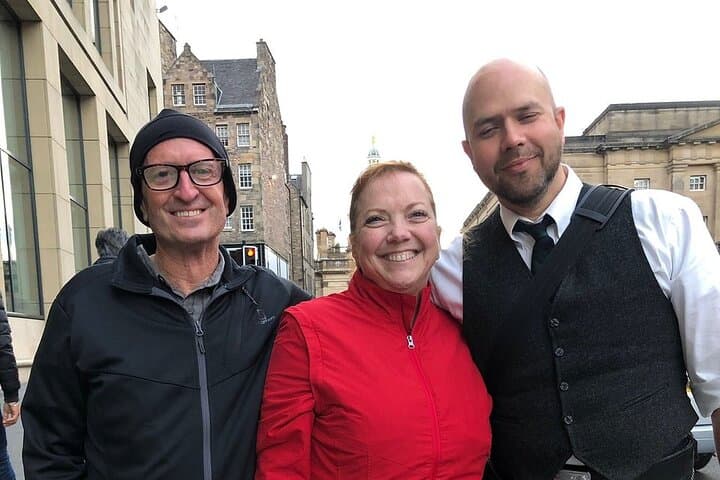
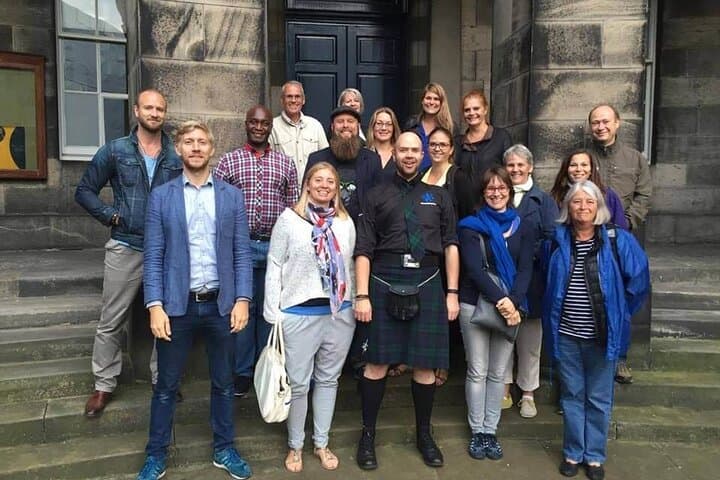
The tour begins just inside Greyfriars Kirkyard, where damp stone and leaning ironwork set the tone: the city seems to hold its breath. You step onto Candlemaker Row and follow the Royal Mile’s slope, cobbles underfoot and tenement walls leaning close like pages in a history book. The guide points to narrow closes, grave markers and the facades that watched the Jacobite army move through town.
Verified experiences and guided adventures in the surrounding area.
Operated by Historic Edinburgh Tours · Edinburgh, Scotland
The tour begins just inside Greyfriars Kirkyard, where damp stone and leaning ironwork set the tone: the city seems to hold its breath. You step onto Candlemaker Row and follow the Royal Mile’s slope, cobbles underfoot and tenement walls leaning close like pages in a history book. The guide points to narrow closes, grave markers and the facades that watched the Jacobite army move through town.
In summer 1745 Prince Charles Edward Stuart entered a city split by politics and religion. The walking route threads sites tied to the Jacobite occupation and the resistance that folded into the wider Rebellion. Geologically, the Old Town sits on volcanic and sedimentary rock—the hard crags of Arthur’s Seat to the east helped shape the compact medieval street plan—and those same stones were quarried and reused in medieval tenements.
Culturally, Edinburgh’s Old Town mixes kirkland piety and mercantile grit: you’ll pass kirkyards, former merchant houses and the Grassmarket where public life and punishment intersected. The guide’s local knowledge brings small discoveries—inscribed gravestones, the Covenanters’ traces, a poet’s bench—into sharp focus.
Practical guidance: the walk covers roughly two miles over two hours on uneven cobbles and short flights of steps. Wear sturdy shoes with good traction, bring layered clothing and a rain shell; public restrooms and cafés are available near route endpoints. Expect a steady pace with room for questions; this is an urban hike of history as much as scenery, best enjoyed with a curious pair of legs and a charged phone for photos.
moderate.
2 hours.
Moderate—able to stand and walk on uneven ground for two hours with occasional inclines
Meet just inside the main entry of Greyfriars Kirkyard at the top of Candlemaker Row; the tour typically finishes in the Grassmarket or Lawnmarket depending on group needs.
Yes with caution—participants should manage uneven cobbles and short flights of steps; contact the operator about mobility concerns.
No—this walk focuses on exterior sites and kirkyards; any indoor entries (if offered) would be noted in advance.
This listing notes a local guide and private tour options; confirm language and group size when booking to ensure availability.
Edinburgh’s Old Town was central to the 1745 Jacobite occupation; many Royal Mile buildings and kirkyards retain direct links to events of the Rebellion.
High foot traffic wears historic stone and graves—stay on designated paths, avoid touching fragile carvings, and support local guides who promote respectful visitation.
Historic Edinburgh Tours operates guided outdoor trips and adventures with an emphasis on safety, stewardship, and memorable experiences.
The tour begins just inside Greyfriars Kirkyard, where damp stone and leaning ironwork set the tone: the city seems to hold its breath. You step onto Candlemaker Row and follow the Royal Mile’s slope, cobbles underfoot and tenement walls leaning close like pages in a history book. The guide points to narrow closes, grave markers and the facades that watched the Jacobite army move through town.
The tour begins just inside Greyfriars Kirkyard, where damp stone and leaning ironwork set the tone: the city seems to hold its breath. You step onto Candlemaker Row and follow the Royal Mile’s slope, cobbles underfoot and tenement walls leaning close like pages in a history book. The guide points to narrow closes, grave markers and the facades that watched the Jacobite army move through town.
In summer 1745 Prince Charles Edward Stuart entered a city split by politics and religion. The walking route threads sites tied to the Jacobite occupation and the resistance that folded into the wider Rebellion. Geologically, the Old Town sits on volcanic and sedimentary rock—the hard crags of Arthur’s Seat to the east helped shape the compact medieval street plan—and those same stones were quarried and reused in medieval tenements.
Culturally, Edinburgh’s Old Town mixes kirkland piety and mercantile grit: you’ll pass kirkyards, former merchant houses and the Grassmarket where public life and punishment intersected. The guide’s local knowledge brings small discoveries—inscribed gravestones, the Covenanters’ traces, a poet’s bench—into sharp focus.
Practical guidance: the walk covers roughly two miles over two hours on uneven cobbles and short flights of steps. Wear sturdy shoes with good traction, bring layered clothing and a rain shell; public restrooms and cafés are available near route endpoints. Expect a steady pace with room for questions; this is an urban hike of history as much as scenery, best enjoyed with a curious pair of legs and a charged phone for photos.