THE ADVENTURE COLLECTIVE® · Independent discovery and booking for outdoor travel

Paddle through Bonita Springs’ shallow estuaries where dolphins bow, manatees browse seagrass, and sea turtles surface nearby. This guided two-hour tour pairs easy paddling with exceptional wildlife viewing.
Paddle through Bonita Springs’ shallow estuaries where dolphins bow, manatees browse seagrass, and sea turtles surface nearby. This guided two-hour tour pairs easy paddling with exceptional wildlife viewing.
The sun lifts off the Gulf and paints the mangroves gold as your paddle cuts a quiet wake through the estuary. Salt air bristles against your face, dolphins arc like questions in the channel, and a slow-moving manatee eyes you with deliberate curiosity—this is the rhythm of a Bonita Springs paddle.
Verified experiences and guided adventures in the surrounding area.
Operated by Three Brothers Boards Dolphin and Manatee Paddle Board Tours · Bonita Springs, Florida
The sun lifts off the Gulf and paints the mangroves gold as your paddle cuts a quiet wake through the estuary. Salt air bristles against your face, dolphins arc like questions in the channel, and a slow-moving manatee eyes you with deliberate curiosity—this is the rhythm of a Bonita Springs paddle.
The coast here is a product of shallow carbonate shelves and Pleistocene sands—barrier islands, tidal flats and dense mangrove forests that shelter seagrass beds where sea turtles feed. Indigenous Calusa people once navigated these same waterways; later, 19th-century settlers and fishermen shaped the small towns that fringe the estuary. Today, local guides read tides and bird calls the way others read maps.
Expect up-close wildlife viewing: bottlenose dolphins schooling near passes, green and loggerhead turtles grazing on seagrass, occasional bald eagles scanning from cypress snags, and the flamboyant roseate spoonbill probing shallows.
Practical guidance: tours run about two hours and use guided kayaks and paddleboards with life vests and paddles provided. Launches are from protected inlets or beach sections; light chop can appear near the Gulf, so pick a morning slot for calmer water and cooler temperatures. Hydrate, wear reef-safe sunscreen and a hat, and secure a dry bag for phones. Follow the guide’s briefing—keep distance from wildlife and never feed animals. If you have limited paddling experience, choose a tandem kayak or request extra instruction; the route is suitable for most fitness levels but requires basic balance and attention to wind and current.
This is a wildlife-first outing: quiet, observant, and oriented around the ebb and flow of the estuary rather than speed or distance.
easy.
2 hours.
Suitable for most fitness levels; should be comfortable sitting, paddling for short bursts, and boarding a kayak or paddleboard.
The tour is approximately two hours from launch to return, including safety briefing and guided paddling.
No—tours are suitable for beginners; guides provide instruction and tandem kayaks are available for less confident paddlers.
Common sightings include bottlenose dolphins, manatees, and sea turtles; birds like bald eagles and roseate spoonbills are also frequent.
Yes—paddles, life vests and kayaks or paddleboards are supplied as part of the tour.
The coastal waterways were travel and harvest routes for the Calusa people; 19th-century fishing communities later shaped modern Bonita Springs and nearby Fort Myers Beach.
Protecting seagrass beds and enforcing no-approach rules for marine mammals are priorities—use reef-safe products and avoid disturbing resting animals.
Three Brothers Boards Dolphin and Manatee Paddle Board Tours operates guided outdoor trips and adventures with an emphasis on safety, stewardship, and memorable experiences.
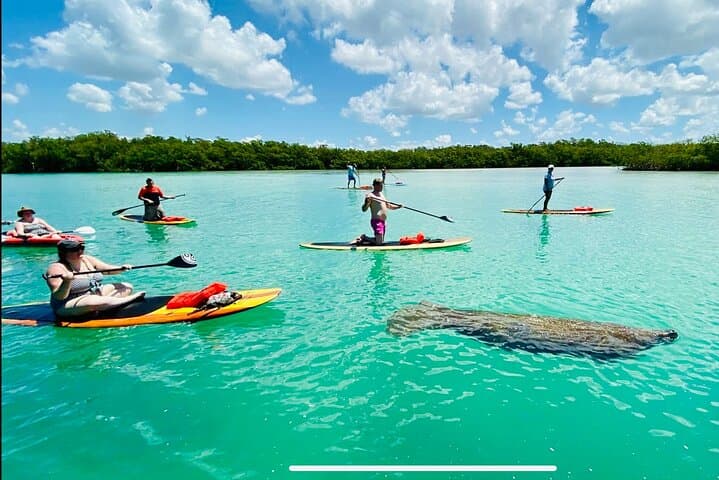
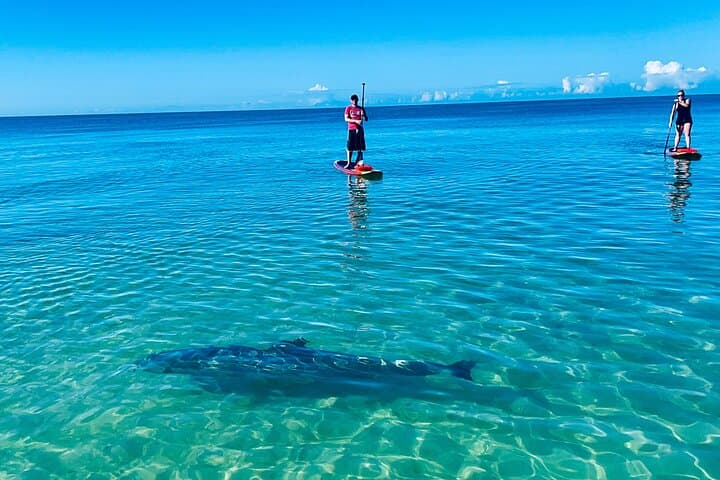
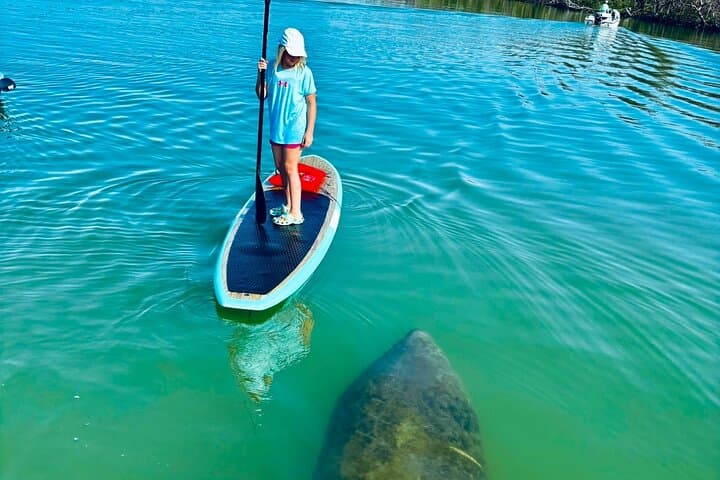
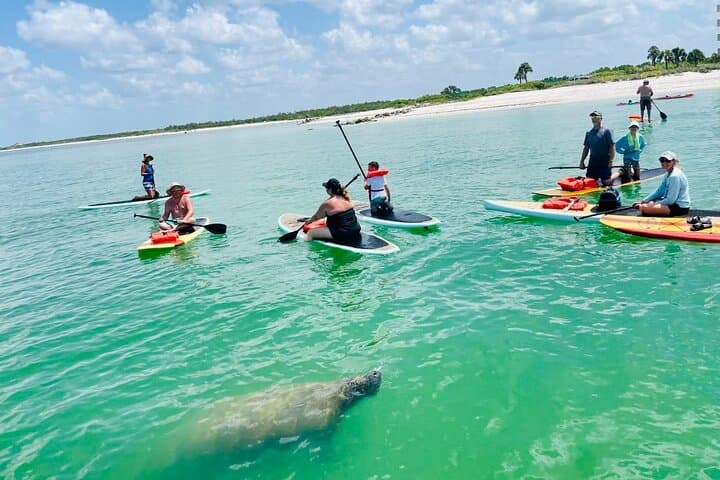
The sun lifts off the Gulf and paints the mangroves gold as your paddle cuts a quiet wake through the estuary. Salt air bristles against your face, dolphins arc like questions in the channel, and a slow-moving manatee eyes you with deliberate curiosity—this is the rhythm of a Bonita Springs paddle.
The sun lifts off the Gulf and paints the mangroves gold as your paddle cuts a quiet wake through the estuary. Salt air bristles against your face, dolphins arc like questions in the channel, and a slow-moving manatee eyes you with deliberate curiosity—this is the rhythm of a Bonita Springs paddle.
The coast here is a product of shallow carbonate shelves and Pleistocene sands—barrier islands, tidal flats and dense mangrove forests that shelter seagrass beds where sea turtles feed. Indigenous Calusa people once navigated these same waterways; later, 19th-century settlers and fishermen shaped the small towns that fringe the estuary. Today, local guides read tides and bird calls the way others read maps.
Expect up-close wildlife viewing: bottlenose dolphins schooling near passes, green and loggerhead turtles grazing on seagrass, occasional bald eagles scanning from cypress snags, and the flamboyant roseate spoonbill probing shallows.
Practical guidance: tours run about two hours and use guided kayaks and paddleboards with life vests and paddles provided. Launches are from protected inlets or beach sections; light chop can appear near the Gulf, so pick a morning slot for calmer water and cooler temperatures. Hydrate, wear reef-safe sunscreen and a hat, and secure a dry bag for phones. Follow the guide’s briefing—keep distance from wildlife and never feed animals. If you have limited paddling experience, choose a tandem kayak or request extra instruction; the route is suitable for most fitness levels but requires basic balance and attention to wind and current.
This is a wildlife-first outing: quiet, observant, and oriented around the ebb and flow of the estuary rather than speed or distance.