THE ADVENTURE COLLECTIVE® · Independent discovery and booking for outdoor travel

Join an expert bone-hunter for a four-hour off-trail foray near Laramie to find, identify, and legally collect animal bones. Learn field ID, permitting, and cleaning techniques while hiking across high-elevation prairie.
Join an expert bone-hunter for a four-hour off-trail foray near Laramie to find, identify, and legally collect animal bones. Learn field ID, permitting, and cleaning techniques while hiking across high-elevation prairie.
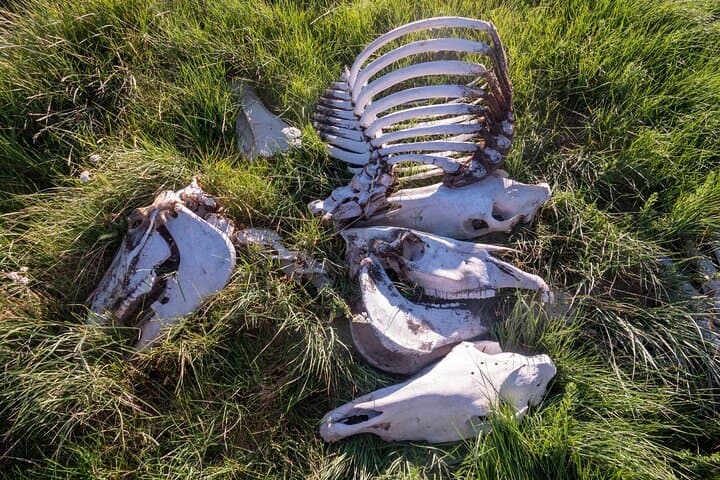
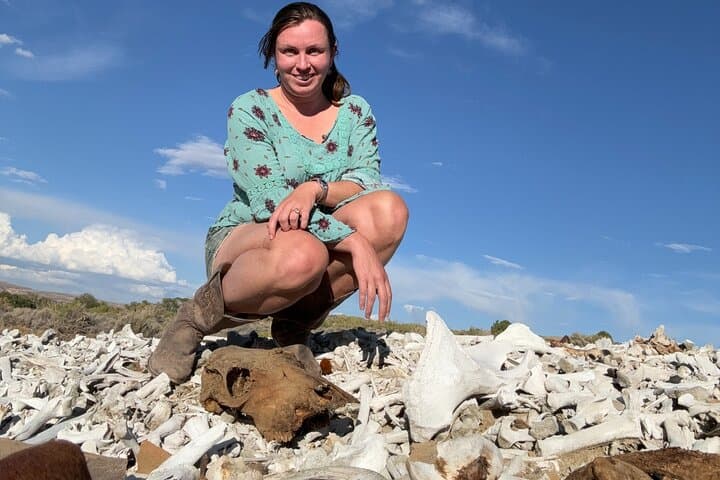
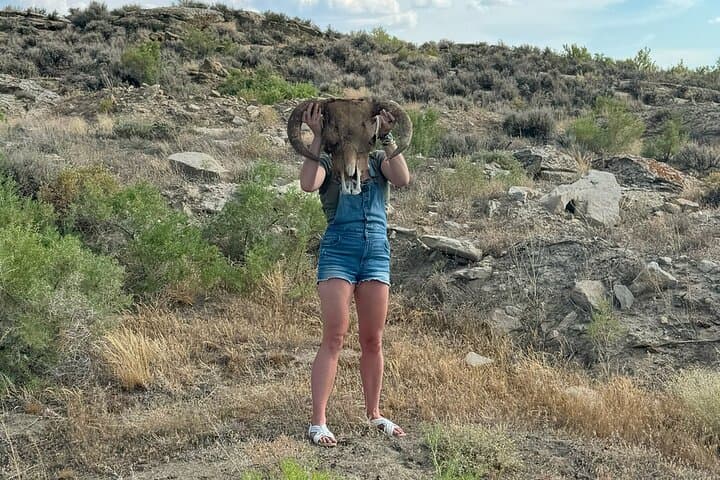
You step out of the Chevron into thin, bright air — wind running fingers across sage and shortgrass — and meet the guide who has turned scavenging into science. The van rumbles off-road and the track fades; soon you are moving over pocked ground where the prairie folds into dry draws and benchlands. Bones show up like punctuation: a rib, a vertebra, half a skull catching the light.
Verified experiences and guided adventures in the surrounding area.
Operated by Bone Hunter · Laramie, Wyoming
You step out of the Chevron into thin, bright air — wind running fingers across sage and shortgrass — and meet the guide who has turned scavenging into science. The van rumbles off-road and the track fades; soon you are moving over pocked ground where the prairie folds into dry draws and benchlands. Bones show up like punctuation: a rib, a vertebra, half a skull catching the light.
This part of southeastern Wyoming sits near the Wyoming Basin and the Medicine Bow foothills, an open country shaped by Pleistocene deposits and modern erosion. Ranching and wildlife management have long defined local culture; historical ranch roads and old cattle bones are part of the land’s archive. The guide explains taphonomy — what bones tell us about predators, death, and decay — and lays out state rules on collecting and permitting.
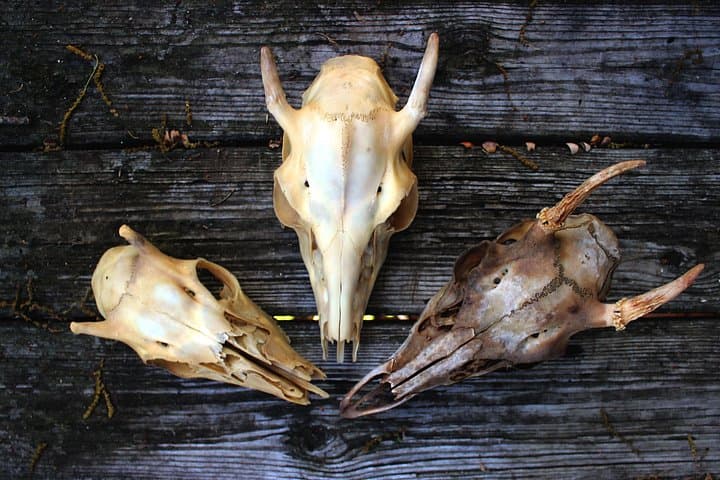
Expect four hours of off-trail hiking at roughly 7,000 ft elevation on mostly flat but uneven ground. You’ll learn to identify common species, basic permitting steps for taking skulls, and hands-on cleaning techniques from maceration to dermestid use. The experience balances treasure-hunt adrenaline with practical field science: how to document finds, avoid protected species, and transport remains for legal permitting.
Plan for sun, wind, and quick weather swings; bring gloves and sealable bags for fragile finds. Photography and curiosity are welcome, but so is restraint — some discoveries are best recorded and left. For photographers and curious naturalists, this tour turns the ordinary prairie into a classroom where bones speak and the landscape dares you to listen.
moderate.
4 hours.
Moderate fitness needed for several hours of off-trail walking at ~7,000 ft; steady balance and basic stamina recommended
Permitting depends on land ownership and species; your guide will explain state and federal rules and assist with appropriate permits for protected or regulated finds.
The hike is moderate — several hours of walking on uneven, non-trail ground at near 7,000 ft — so basic cardiovascular fitness and good balance are important.
No. Some species and archaeological remains are protected; the guide will indicate which bones can be kept, which require permits, and which must be left in place.
Children may join if supervised and physically prepared for off-trail hiking; pets/service animals policies should be confirmed with the operator in advance.
Ranching and grazing shaped land use here for over a century; older Pleistocene deposits also lie under the surface and influence where bone assemblages appear.
Collect responsibly: document finds, avoid disturbed cultural sites, and follow guide instructions to minimize impact on wildlife and archeological resources.
Bone Hunter operates guided outdoor trips and adventures with an emphasis on safety, stewardship, and memorable experiences.
You step out of the Chevron into thin, bright air — wind running fingers across sage and shortgrass — and meet the guide who has turned scavenging into science. The van rumbles off-road and the track fades; soon you are moving over pocked ground where the prairie folds into dry draws and benchlands. Bones show up like punctuation: a rib, a vertebra, half a skull catching the light.
You step out of the Chevron into thin, bright air — wind running fingers across sage and shortgrass — and meet the guide who has turned scavenging into science. The van rumbles off-road and the track fades; soon you are moving over pocked ground where the prairie folds into dry draws and benchlands. Bones show up like punctuation: a rib, a vertebra, half a skull catching the light.
This part of southeastern Wyoming sits near the Wyoming Basin and the Medicine Bow foothills, an open country shaped by Pleistocene deposits and modern erosion. Ranching and wildlife management have long defined local culture; historical ranch roads and old cattle bones are part of the land’s archive. The guide explains taphonomy — what bones tell us about predators, death, and decay — and lays out state rules on collecting and permitting.
Expect four hours of off-trail hiking at roughly 7,000 ft elevation on mostly flat but uneven ground. You’ll learn to identify common species, basic permitting steps for taking skulls, and hands-on cleaning techniques from maceration to dermestid use. The experience balances treasure-hunt adrenaline with practical field science: how to document finds, avoid protected species, and transport remains for legal permitting.
Plan for sun, wind, and quick weather swings; bring gloves and sealable bags for fragile finds. Photography and curiosity are welcome, but so is restraint — some discoveries are best recorded and left. For photographers and curious naturalists, this tour turns the ordinary prairie into a classroom where bones speak and the landscape dares you to listen.