THE ADVENTURE COLLECTIVE® · Independent discovery and booking for outdoor travel

A full-day journey from Palenque into the Lacandon Forest to see Bonampak’s vivid murals and Yaxchilán’s riverfront temples. Expect long travel, jungle humidity, boat rides on the Usumacinta, and world-class Maya art.
A full-day journey from Palenque into the Lacandon Forest to see Bonampak’s vivid murals and Yaxchilán’s riverfront temples. Expect long travel, jungle humidity, boat rides on the Usumacinta, and world-class Maya art.
You step off the minivan where the jungle takes the sound of engines and answers with insect calls; a narrow river promises the next leg of the journey and the boat rocks like a slow heartbeat as it slips into the Usumacinta's green mirror.
Verified experiences and guided adventures in the surrounding area.
Operated by Encuentro T · Palenque, Chiapas
You step off the minivan where the jungle takes the sound of engines and answers with insect calls; a narrow river promises the next leg of the journey and the boat rocks like a slow heartbeat as it slips into the Usumacinta's green mirror.
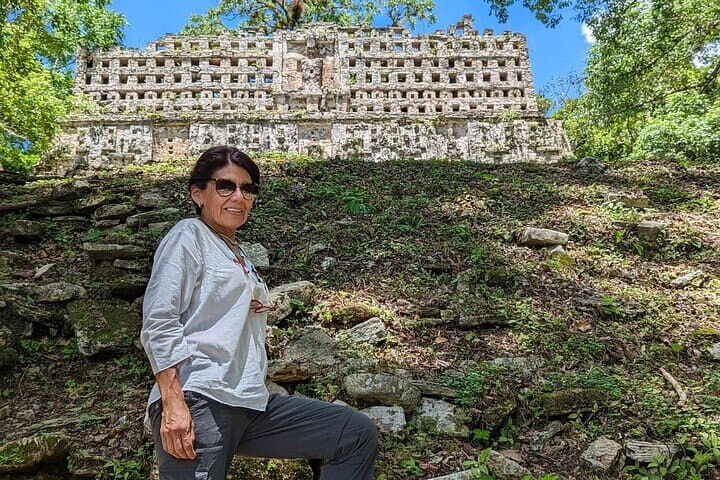
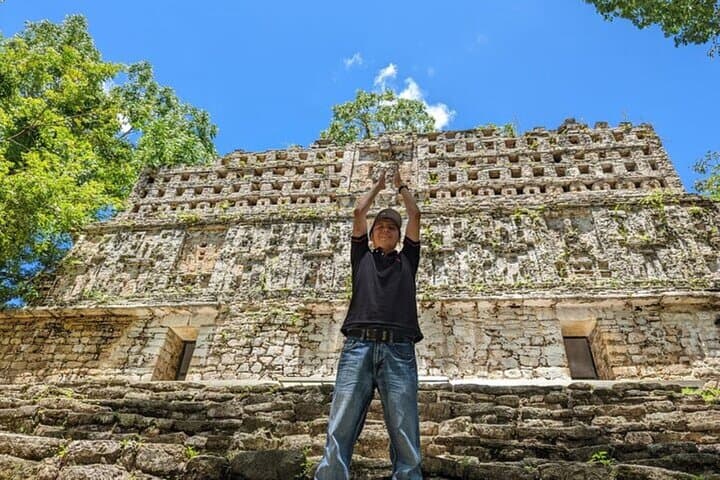
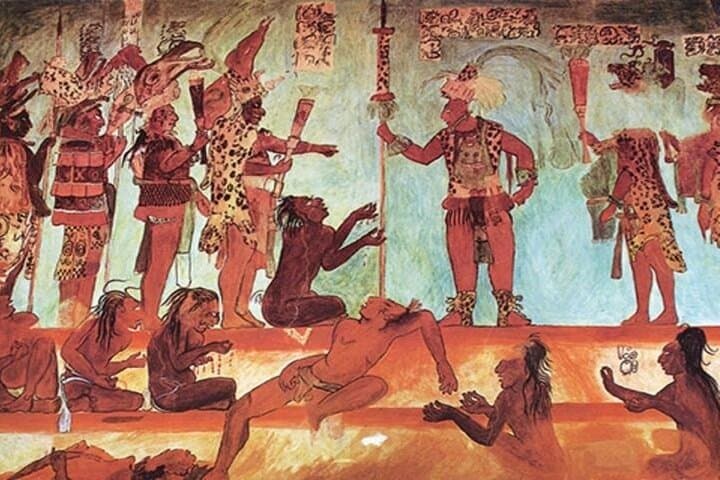
The tour moves between two very different expressions of Classic Maya power: Bonampak’s intimate, color-drenched murals that preserve court life and ritual, and Yaxchilán’s monumental lintels, stelae, and sculpted doorways set on a river-carved peninsula. Geology here is simple and sharp — low limestone ridges, heavy clay soils, and the ever-present meander of the Usumacinta that shaped settlement patterns and ceremonial architecture.
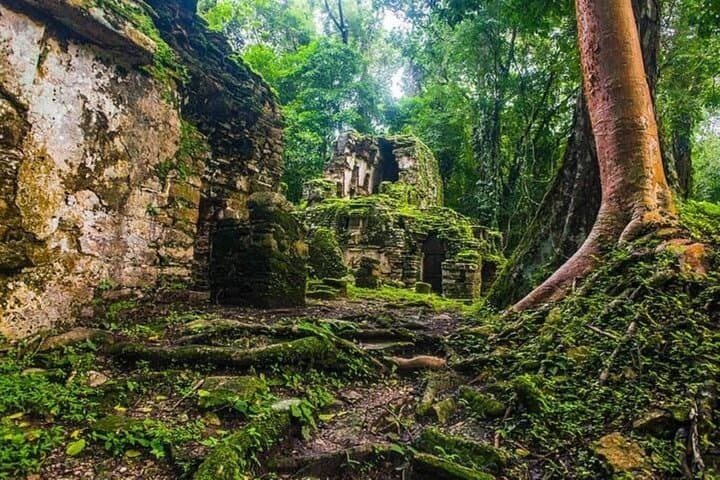
Culturally, the sites read as political stages: inscriptions at Yaxchilán announce dynastic drama; Bonampak’s frescoes give face and gesture to those texts. The Lacandon Forest adds humidity, sound, and the constant motion of life — howler monkeys calling, toucans flicking across the canopy — and it can reclaim trails quickly in the rainy months.
Practically, expect a long day: early pick-up from Palenque, a border-side boat ride to Yaxchilán, then a road transfer to Bonampak, with guided walks at each site. Wear sturdy, grippy shoes for muddy trails and stair climbs, bring 2–3 liters of water, and pack lightweight rain protection and insect repellent. Photography is rewarding but respect site rules and fragile murals — no flash on frescoes. Guides typically handle permits and entrances; bring small bills for tips and a dry bag for electronics. The reward is close-up archaeology in an active jungle — tactile, noisy, and undeniably alive.
moderate.
14 hours.
Suitable for travelers in average physical condition; involves boat transfers, uneven trail walking, stairs and short climbs.
The tour is a full day—about 14 hours including transfers, boat rides, guided visits, and lunch.
Most tours include entrance fees and selected guide services; confirm when booking and carry small cash for additional fees or tips.
Yes; children must be accompanied by an adult and should be prepared for long travel and uneven terrain.
You can photograph without flash in most areas, but some rooms restrict flash and close proximity to protect pigments—follow your guide’s instructions.
Yaxchilán and Bonampak date to the Classic Maya period; Yaxchilán is noted for carved inscriptions recording royal events while Bonampak preserves rare painted murals of court rituals.
Sites are vulnerable to humidity and visitor impact; stick to paths, avoid touching structures, and support guides who practice low-impact travel.
Encuentro T operates guided outdoor trips and adventures with an emphasis on safety, stewardship, and memorable experiences.
You step off the minivan where the jungle takes the sound of engines and answers with insect calls; a narrow river promises the next leg of the journey and the boat rocks like a slow heartbeat as it slips into the Usumacinta's green mirror.
You step off the minivan where the jungle takes the sound of engines and answers with insect calls; a narrow river promises the next leg of the journey and the boat rocks like a slow heartbeat as it slips into the Usumacinta's green mirror.
The tour moves between two very different expressions of Classic Maya power: Bonampak’s intimate, color-drenched murals that preserve court life and ritual, and Yaxchilán’s monumental lintels, stelae, and sculpted doorways set on a river-carved peninsula. Geology here is simple and sharp — low limestone ridges, heavy clay soils, and the ever-present meander of the Usumacinta that shaped settlement patterns and ceremonial architecture.
Culturally, the sites read as political stages: inscriptions at Yaxchilán announce dynastic drama; Bonampak’s frescoes give face and gesture to those texts. The Lacandon Forest adds humidity, sound, and the constant motion of life — howler monkeys calling, toucans flicking across the canopy — and it can reclaim trails quickly in the rainy months.
Practically, expect a long day: early pick-up from Palenque, a border-side boat ride to Yaxchilán, then a road transfer to Bonampak, with guided walks at each site. Wear sturdy, grippy shoes for muddy trails and stair climbs, bring 2–3 liters of water, and pack lightweight rain protection and insect repellent. Photography is rewarding but respect site rules and fragile murals — no flash on frescoes. Guides typically handle permits and entrances; bring small bills for tips and a dry bag for electronics. The reward is close-up archaeology in an active jungle — tactile, noisy, and undeniably alive.