THE ADVENTURE COLLECTIVE® · Independent discovery and booking for outdoor travel

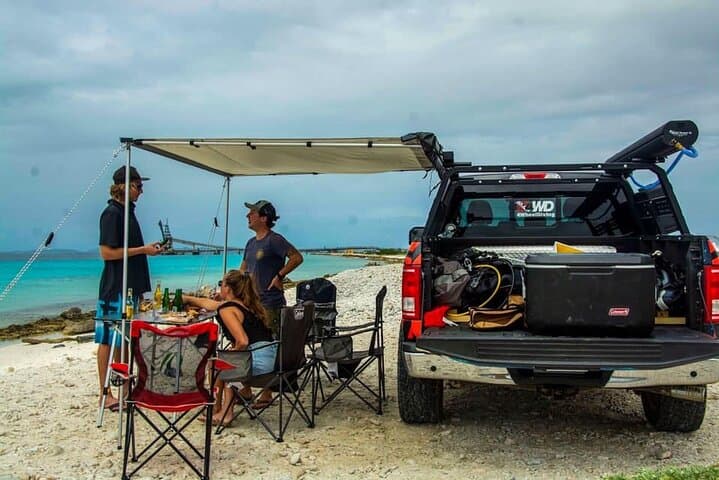
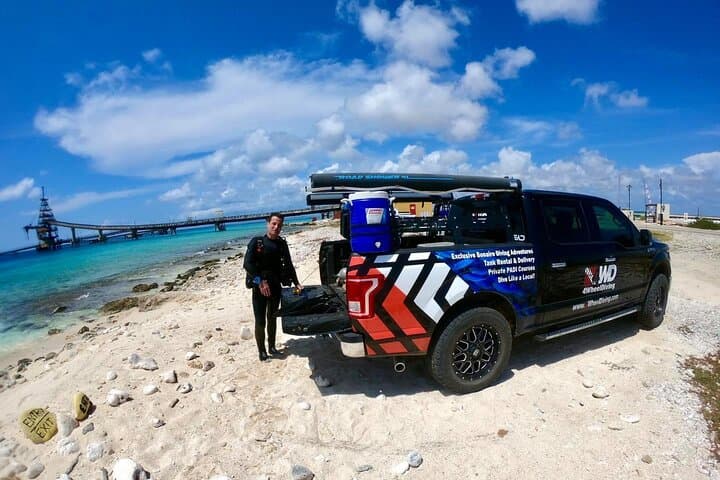
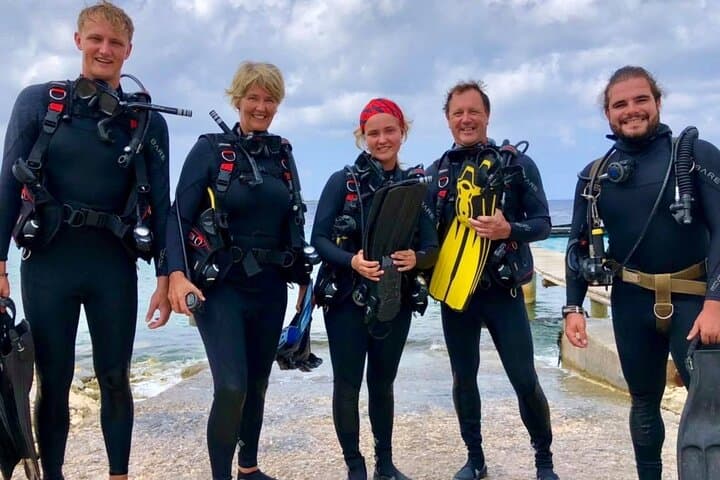
Join a four-diver shore-diving run along Bonaire’s protected reefs, driven in a purpose-built dive truck to quiet sites that larger operators miss. Expect uncrowded entries, personalized guidance, and practical comforts like fresh-water showers and shaded staging areas.
Join a four-diver shore-diving run along Bonaire’s protected reefs, driven in a purpose-built dive truck to quiet sites that larger operators miss. Expect uncrowded entries, personalized guidance, and practical comforts like fresh-water showers and shaded staging areas.
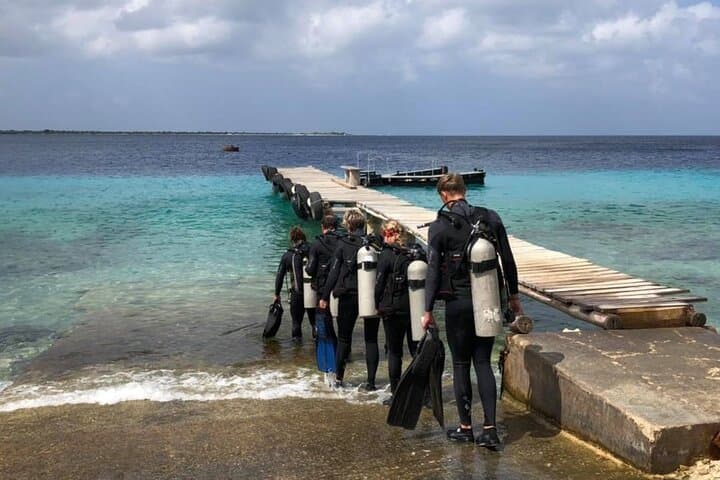
Salt and diesel mingle in the air as a four-wheel dive truck rumbles toward a low, rocky shoreline. You step out onto black volcanic-like rock and sand, the Caribbean ahead a sheet of changing blues; beneath it, coral gardens and wall drops wait. Here, shore diving is intimate—guides walk you to the water’s edge, set up tanks, and leave the reef’s contours to reveal themselves as you descend.
Verified experiences and guided adventures in the surrounding area.
Operated by 4 Wheel Diving · Kralendijk, Bonaire
Salt and diesel mingle in the air as a four-wheel dive truck rumbles toward a low, rocky shoreline. You step out onto black volcanic-like rock and sand, the Caribbean ahead a sheet of changing blues; beneath it, coral gardens and wall drops wait. Here, shore diving is intimate—guides walk you to the water’s edge, set up tanks, and leave the reef’s contours to reveal themselves as you descend.
Bonaire’s reefs have been shaped by centuries of trade, saltworks and small-scale fishing. Geologically the island is a raised limestone platform with fringing reefs that drop into sand channels and submarine terraces. Culturally, Kralendijk’s slow pace and sympathetic marine-conscious community helped establish the Bonaire National Marine Park in 1979—one of the earliest strong protections in the Caribbean.
This small-group, four-diver experience combines local knowledge with practical comforts: shaded awnings, fresh-water showers at sites, onboard oxygen and first aid, and a cooked lunch between dives. Expect classic shore-entry sites, uncrowded patches of reef, and access to lesser-visited coves that larger operators skip.
Plan for surface contexts—sun, wind and occasional surge—so protect your skin, secure cameras, and stagger dive times to conserve reserve gas. Bring your certification card if required, check your gear onshore, and ask guides about mooring and reef etiquette—local guides prioritize low-impact entries and short surface swims.
Ideally timed for calm mornings, this style of diving suits divers who prefer flexible bottom time and personalized attention. The reward is clear: reefs that feel private, guides who know every crevice, and a pace that lets you notice the small things—lone hawkfishes, parrotfish teeth scraping algae, and the sly tuck of a hawksbill into a coral crack.
moderate.
5 hours.
Suitable for divers in good general health with basic cardiovascular fitness; able to carry tanks and perform shore entries.
Yes—participants should hold a recognized Open Water scuba certification; operators commonly request to see your certification card before diving.
This is a roughly 5-hour outing that typically includes two shore dives with a lunch break and surface intervals between dives.
Tanks, weights and basic dive gear are provided; bringing a well-fitting personal mask, snorkel and fins improves comfort and seal.
Trips are refundable if cancelled due to weather or insufficient participants—check the operator’s 24-hour cancellation window for full refunds.
Bonaire has a long maritime and salt-harvesting history; strong local stewardship led to the creation of the Bonaire National Marine Park in 1979 to protect reefs from early tourism impacts.
Divers are encouraged to use established entry points, mooring buoys, and follow guide instructions—Bonaire’s economy relies on healthy reefs, and local operators actively support reef monitoring and cleanups.
4 Wheel Diving operates guided outdoor trips and adventures with an emphasis on safety, stewardship, and memorable experiences.
Salt and diesel mingle in the air as a four-wheel dive truck rumbles toward a low, rocky shoreline. You step out onto black volcanic-like rock and sand, the Caribbean ahead a sheet of changing blues; beneath it, coral gardens and wall drops wait. Here, shore diving is intimate—guides walk you to the water’s edge, set up tanks, and leave the reef’s contours to reveal themselves as you descend.
Salt and diesel mingle in the air as a four-wheel dive truck rumbles toward a low, rocky shoreline. You step out onto black volcanic-like rock and sand, the Caribbean ahead a sheet of changing blues; beneath it, coral gardens and wall drops wait. Here, shore diving is intimate—guides walk you to the water’s edge, set up tanks, and leave the reef’s contours to reveal themselves as you descend.
Bonaire’s reefs have been shaped by centuries of trade, saltworks and small-scale fishing. Geologically the island is a raised limestone platform with fringing reefs that drop into sand channels and submarine terraces. Culturally, Kralendijk’s slow pace and sympathetic marine-conscious community helped establish the Bonaire National Marine Park in 1979—one of the earliest strong protections in the Caribbean.
This small-group, four-diver experience combines local knowledge with practical comforts: shaded awnings, fresh-water showers at sites, onboard oxygen and first aid, and a cooked lunch between dives. Expect classic shore-entry sites, uncrowded patches of reef, and access to lesser-visited coves that larger operators skip.
Plan for surface contexts—sun, wind and occasional surge—so protect your skin, secure cameras, and stagger dive times to conserve reserve gas. Bring your certification card if required, check your gear onshore, and ask guides about mooring and reef etiquette—local guides prioritize low-impact entries and short surface swims.
Ideally timed for calm mornings, this style of diving suits divers who prefer flexible bottom time and personalized attention. The reward is clear: reefs that feel private, guides who know every crevice, and a pace that lets you notice the small things—lone hawkfishes, parrotfish teeth scraping algae, and the sly tuck of a hawksbill into a coral crack.