THE ADVENTURE COLLECTIVE® · Independent discovery and booking for outdoor travel

Search cobbled beaches and mangrove fringes for centuries-old sea glass on a private three-hour tour of Bonaire’s east coast and Kralendijk shoreline. Your certified local guide mixes island history with hands-on beachcombing and optional snorkel searches.
Search cobbled beaches and mangrove fringes for centuries-old sea glass on a private three-hour tour of Bonaire’s east coast and Kralendijk shoreline. Your certified local guide mixes island history with hands-on beachcombing and optional snorkel searches.
The wind off the Caribbean pushes warm salt through your hair as you step from the roadside into a fringe of mangroves and low, weathered shoreline. Broken glass, smoothed by waves and time, glints like tiny artifacts buried in sand and coral rubble. Your guide leads you along two distinct stretches of coast—one near the sheltered Sorobon mangroves, the other along Kralendijk’s old refuse shoreline—pointing out pieces that survived ship lanes and island life.
Verified experiences and guided adventures in the surrounding area.
Operated by H2O Visions Bonaire · Kralendijk, Bonaire
The wind off the Caribbean pushes warm salt through your hair as you step from the roadside into a fringe of mangroves and low, weathered shoreline. Broken glass, smoothed by waves and time, glints like tiny artifacts buried in sand and coral rubble. Your guide leads you along two distinct stretches of coast—one near the sheltered Sorobon mangroves, the other along Kralendijk’s old refuse shoreline—pointing out pieces that survived ship lanes and island life.
Bonaire’s shoreline tells a practical history: centuries of shipping, local fishing, and a small-town waterfront where discarded bottles became the island’s unintentional archive. The island sits on uplifted limestone and ancient coral; waves abrade glass and rock alike until edges soften and colors become muted. Along the route your guide will explain the mid-1800s buildings of Kralendijk and the islanders’ relationship with the sea—fishermen, salt works, and modern marine protection.
Expect easy walking across sand, cobble, and coral rubble with short, flat distances between search spots. Snorkeling can extend the search below the surface; equipment is provided if you want to look for submerged pieces. Remember corals and organic material are protected by the Bonaire Marine Park—only glass may be collected.
Practical tips: wear reef-safe sunscreen, sturdy water shoes, bring a small bag for finds, and plan for 3 hours total. Morning light favors photo-worthy colors and calmer seas; evenings offer quieter shorelines and a chance to see flamingos around the salt flats.
easy.
3 hours.
Suitable for most fitness levels; requires 1–2 hours of easy walking on uneven beach and occasional short wading while snorkeling.
Yes—sea glass is permitted to collect, but removing coral, shells, or other organic material is prohibited under marine park rules.
No—most finds are onshore, but snorkeling is offered if you want to search shallow seabed areas; equipment is provided with the tour.
The tour is described as physically easy and suitable for most fitness levels, but the shoreline can be uneven—discuss mobility needs with the operator when booking.
Tours meet in Kralendijk or a prearranged pickup point; the total tour time is approximately three hours visiting two beach areas and local points of interest.
Bonaire’s shoreline reflects centuries of maritime traffic and local salt and fishing industries; discarded goods from the 1700s–1800s occasionally surface as historic glass finds.
Bonaire Marine Park protects reefs and shoreline habitats—collecting is limited to non-organic items and visitors are encouraged to practice leave-no-trace and use reef-safe products.
H2O Visions Bonaire operates guided outdoor trips and adventures with an emphasis on safety, stewardship, and memorable experiences.
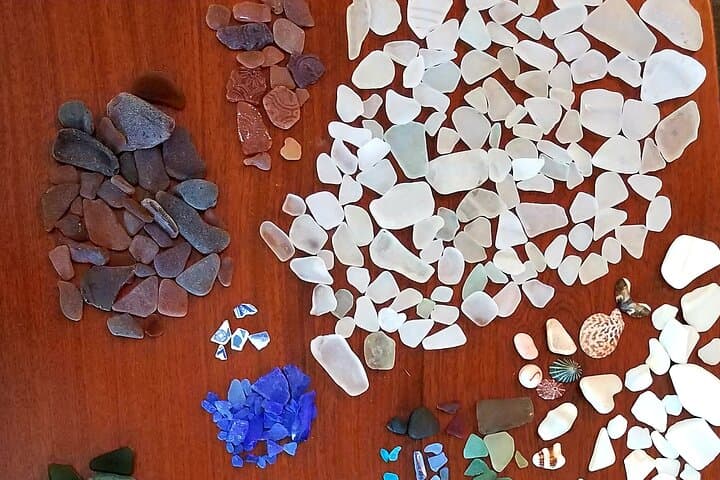
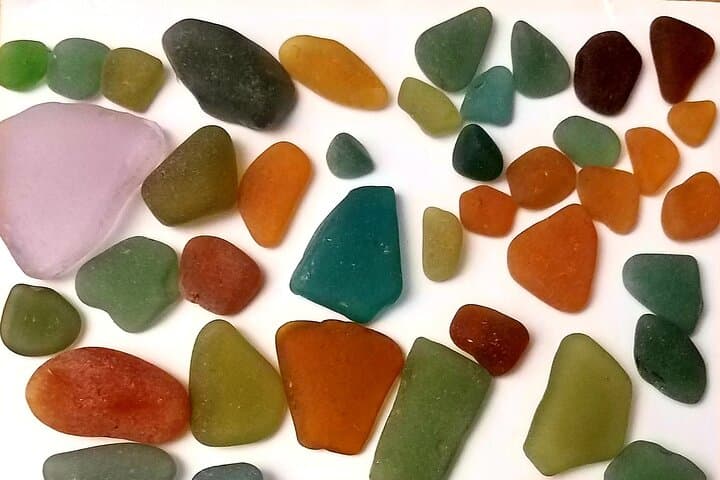
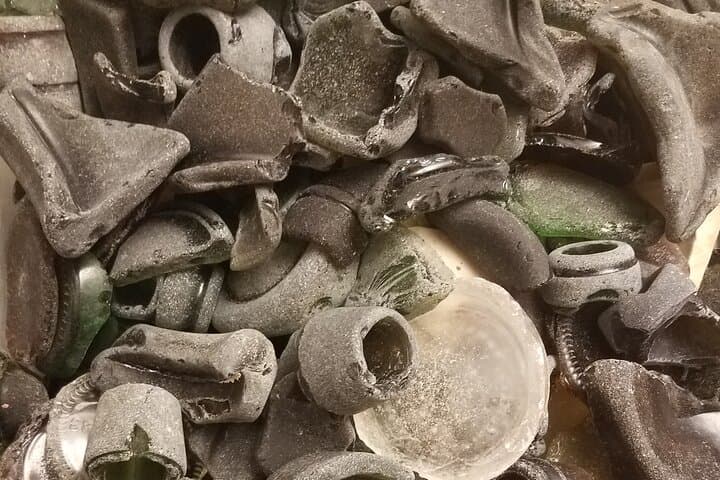
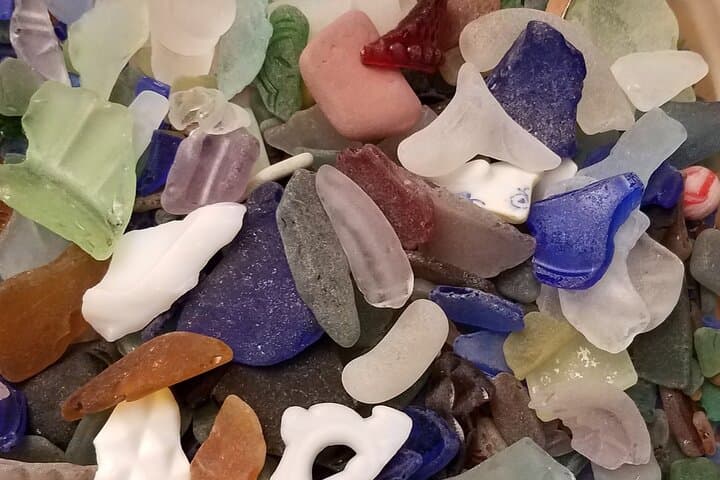
The wind off the Caribbean pushes warm salt through your hair as you step from the roadside into a fringe of mangroves and low, weathered shoreline. Broken glass, smoothed by waves and time, glints like tiny artifacts buried in sand and coral rubble. Your guide leads you along two distinct stretches of coast—one near the sheltered Sorobon mangroves, the other along Kralendijk’s old refuse shoreline—pointing out pieces that survived ship lanes and island life.
The wind off the Caribbean pushes warm salt through your hair as you step from the roadside into a fringe of mangroves and low, weathered shoreline. Broken glass, smoothed by waves and time, glints like tiny artifacts buried in sand and coral rubble. Your guide leads you along two distinct stretches of coast—one near the sheltered Sorobon mangroves, the other along Kralendijk’s old refuse shoreline—pointing out pieces that survived ship lanes and island life.
Bonaire’s shoreline tells a practical history: centuries of shipping, local fishing, and a small-town waterfront where discarded bottles became the island’s unintentional archive. The island sits on uplifted limestone and ancient coral; waves abrade glass and rock alike until edges soften and colors become muted. Along the route your guide will explain the mid-1800s buildings of Kralendijk and the islanders’ relationship with the sea—fishermen, salt works, and modern marine protection.
Expect easy walking across sand, cobble, and coral rubble with short, flat distances between search spots. Snorkeling can extend the search below the surface; equipment is provided if you want to look for submerged pieces. Remember corals and organic material are protected by the Bonaire Marine Park—only glass may be collected.
Practical tips: wear reef-safe sunscreen, sturdy water shoes, bring a small bag for finds, and plan for 3 hours total. Morning light favors photo-worthy colors and calmer seas; evenings offer quieter shorelines and a chance to see flamingos around the salt flats.