THE ADVENTURE COLLECTIVE® · Independent discovery and booking for outdoor travel

A compact 3-hour guided loop that hits Kralendijk, Rincon, salt flats and distillery stops — ideal for cruise passengers and time-tight travelers wanting a grounded introduction to Bonaire’s landscapes and history.
A compact 3-hour guided loop that hits Kralendijk, Rincon, salt flats and distillery stops — ideal for cruise passengers and time-tight travelers wanting a grounded introduction to Bonaire’s landscapes and history.
You step off the van onto sun-warmed limestone; wind from the Caribbean tugs at your hat and the shore seems to dare you to look further.
Verified experiences and guided adventures in the surrounding area.
Operated by Bonaire Tours Center · Kralendijk, Bonaire
You step off the van onto sun-warmed limestone; wind from the Caribbean tugs at your hat and the shore seems to dare you to look further.
This three-hour North and South Bonaire guided tour threads a low-key route across an island shaped by salt, coral uplift, and a history that’s visible in every mile. Expect brief stops — 8 minutes or so — at Kralendijk’s pier, the white slave huts that mark the island’s salt-era past, the Kadushi Distillery where cactus-fueled spirits hint at local ingenuity, and the quiet village of Rincon with its old streets and wind-scoured houses.
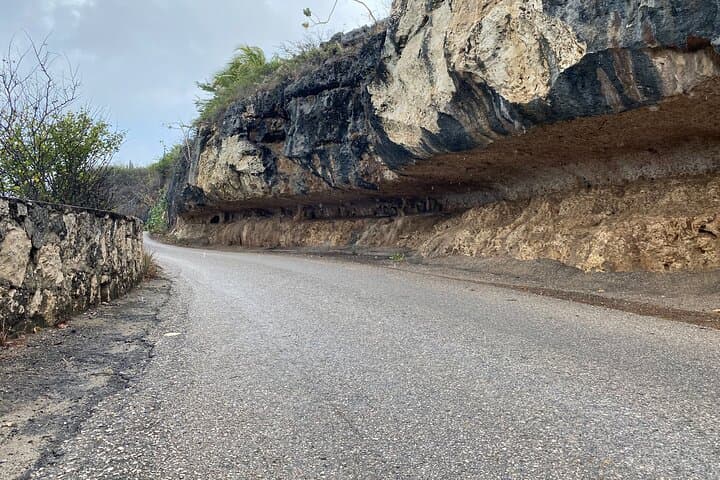
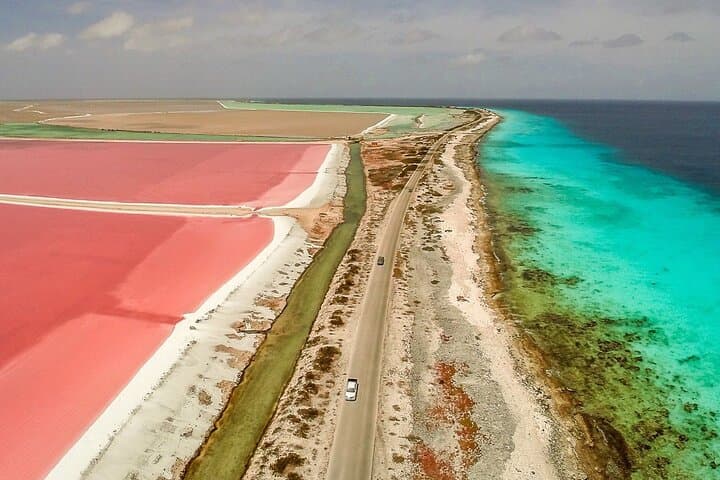
Geology here is blunt: raised coral terraces, salt flats, and volcanic fragments make a landscape of hard edges and broad horizons. Culturally, Bonaire blends Arawak roots, Dutch colonial traces, and a living island culture that still orients around fishing, small-scale agriculture, and marine stewardship.
Practical side: small-group vans (typically 10–14 guests) move you efficiently between viewpoints and short walks; most stops are photo- and exploration-friendly but brief. Bring reef-safe sunscreen, a hat, and comfortable shoes — shade is sparse on many roadside stops. Hydration matters in dry, salty air; bottled water is provided but a refillable bottle is useful. If you’re arriving by cruise ship, meet the guide 20 minutes early and have any required local fee payment or identification ready. The tour’s pace favors travelers who want a compact, interpretive snapshot of Bonaire’s land and coastal heritage rather than long hikes or beach time.
easy.
3 hours.
Suitable for most fitness levels; requires short, easy walks and mostly vehicle travel.
There may be a local payment (noted by the operator as $35 per person) processed by card on the day for certain fees; all major cards except Amex are typically accepted — confirm with your booking PDF.
Yes — the operator provides pickup and drop-off at the cruise port; plan to meet the guide 20 minutes before departure and communicate your ship name in case of port changes.
Many roadside stops are viewable from parking areas and are stroller-accessible; however, some short walks involve uneven surfaces—check with the operator for specific accessibility needs.
The tour does not automatically cancel for bad weather; organizers recommend dressing for warm, possibly windy conditions and will advise if major changes are needed.
Bonaire’s landscape and settlements grew around salt production and small-scale agriculture; the white slave huts and salt flats are physical reminders of the island’s colonial-era salt economy.
Bonaire is known for strong marine-protection measures — visitors should avoid disturbing habitats, use reef-safe products, and follow local guidance to minimize impact.
Bonaire Tours Center operates guided outdoor trips and adventures with an emphasis on safety, stewardship, and memorable experiences.
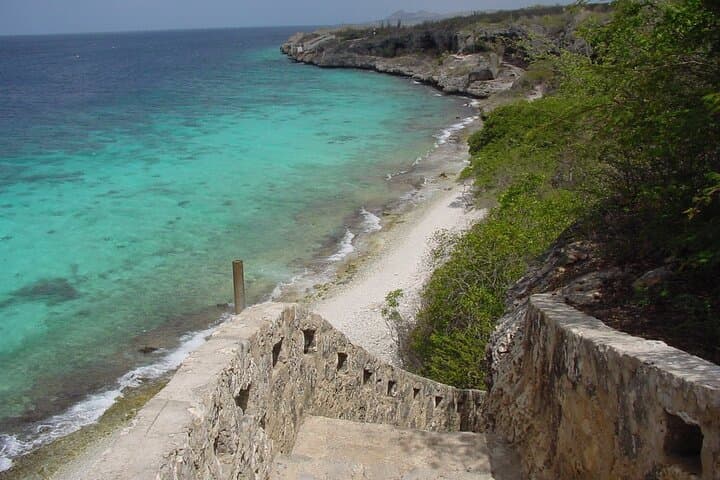
You step off the van onto sun-warmed limestone; wind from the Caribbean tugs at your hat and the shore seems to dare you to look further.
You step off the van onto sun-warmed limestone; wind from the Caribbean tugs at your hat and the shore seems to dare you to look further.
This three-hour North and South Bonaire guided tour threads a low-key route across an island shaped by salt, coral uplift, and a history that’s visible in every mile. Expect brief stops — 8 minutes or so — at Kralendijk’s pier, the white slave huts that mark the island’s salt-era past, the Kadushi Distillery where cactus-fueled spirits hint at local ingenuity, and the quiet village of Rincon with its old streets and wind-scoured houses.
Geology here is blunt: raised coral terraces, salt flats, and volcanic fragments make a landscape of hard edges and broad horizons. Culturally, Bonaire blends Arawak roots, Dutch colonial traces, and a living island culture that still orients around fishing, small-scale agriculture, and marine stewardship.
Practical side: small-group vans (typically 10–14 guests) move you efficiently between viewpoints and short walks; most stops are photo- and exploration-friendly but brief. Bring reef-safe sunscreen, a hat, and comfortable shoes — shade is sparse on many roadside stops. Hydration matters in dry, salty air; bottled water is provided but a refillable bottle is useful. If you’re arriving by cruise ship, meet the guide 20 minutes early and have any required local fee payment or identification ready. The tour’s pace favors travelers who want a compact, interpretive snapshot of Bonaire’s land and coastal heritage rather than long hikes or beach time.