THE ADVENTURE COLLECTIVE® · Independent discovery and booking for outdoor travel

Descend into Bonaire’s north-shore limestone caves with a local guide, spot glowing mineral surfaces and bats, then finish with an accessible low cliff jump. This active, 3-hour tour combines geology, local culture, and guided safety for small groups.
Descend into Bonaire’s north-shore limestone caves with a local guide, spot glowing mineral surfaces and bats, then finish with an accessible low cliff jump. This active, 3-hour tour combines geology, local culture, and guided safety for small groups.
A warm trade wind meets the island as you step from the van onto the north shore road — the limestone cliffs rise pale and pitted, and a local guide gestures toward three dark mouths cut into the rock. The first entrance requires a short ladder descent; the air changes instantly from bright tropical heat to dense, humid cool. Bats stir in the rafters, and under your headlamp the limestones take on an otherworldly sheen, mineral surfaces that flash like wings when light skims them.
Verified experiences and guided adventures in the surrounding area.
Operated by Shekhinah Tours · Kralendijk, Bonaire
A warm trade wind meets the island as you step from the van onto the north shore road — the limestone cliffs rise pale and pitted, and a local guide gestures toward three dark mouths cut into the rock. The first entrance requires a short ladder descent; the air changes instantly from bright tropical heat to dense, humid cool. Bats stir in the rafters, and under your headlamp the limestones take on an otherworldly sheen, mineral surfaces that flash like wings when light skims them.
These caves formed in uplifted coral and ancient reef rock; over millennia seawater and rain dissolved channels and left chambers that islanders and the Arawak people knew as shelter and resource. Guides on Bonaire combine local oral history with geology—expect short explanations of karst processes, references to salt pans and the island’s seafaring culture, and the practical rules that protect fragile formations and bat colonies.
After crawling, ducking, and picking steps through narrow passages, the group moves to a low seaside ridge for a community-friendly cliff jump — a quick dip into shallow, clear water that feels like a reward after the cave’s enclosed hush.
Practical edge: bring closed-toe shoes that can get wet, a spare water bottle, and a headlamp even if one is supplied; wear lightweight clothing you can crouch and climb in. Note the tour’s physical demands—ladders, rock descents, and humid interiors mean steady mobility and basic scrambling confidence. Guides provide transport from Kralendijk and return you to the ship with time to spare; follow their safety briefings and you’ll leave with photographs and a clearer sense of Bonaire’s hidden underworld.
moderate.
3 hours.
Should be in good physical condition with mobility to crouch, climb short ladders, and traverse uneven, often wet rock.
The tour runs about 3 hours and includes round-trip transport from Kralendijk (port, hotel, or apartment), a local guide, bottled soft drinks, and a head flashlight.
Minimum age is 8; the tour requires good mobility—ducking, bending, climbing a ladder, and stepping on uneven rock—so it’s unsuitable for those with significant mobility or breathing restrictions.
You may encounter bat colonies and cave-adapted invertebrates; guides ask that you avoid loud noises and direct bright lights at bats to minimize disturbance.
Closed-toe shoes, a headlamp, extra water, sun protection, and quick-dry clothing are recommended; swimwear is optional if you plan to join the low cliff jump.
Bonaire’s caves form in uplifted coral limestone and have long been part of local geography; indigenous peoples and later settlers used coastal caves for shelter and resource gathering.
Cave ecosystems are fragile—avoid touching formations, minimize flashlight use on bats, and follow guide instructions to protect colonies and mineral surfaces.
Shekhinah Tours operates guided outdoor trips and adventures with an emphasis on safety, stewardship, and memorable experiences.
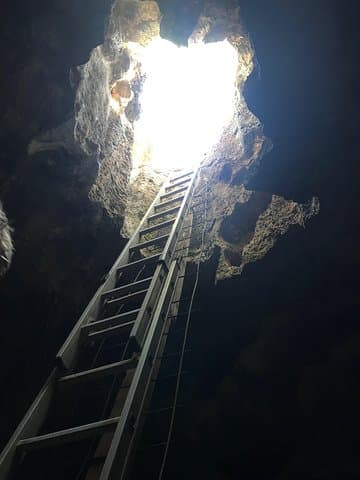
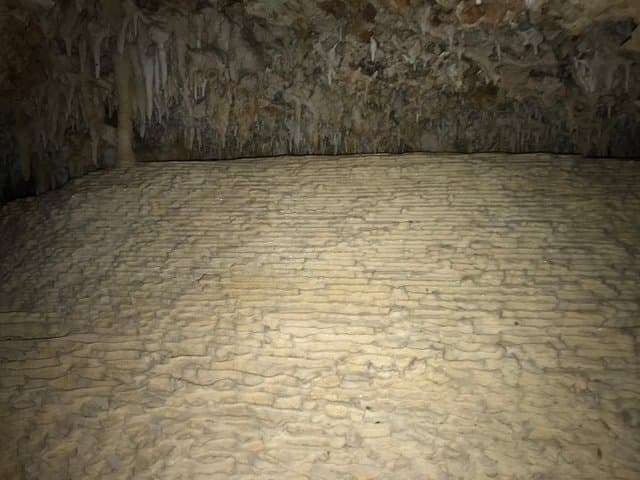
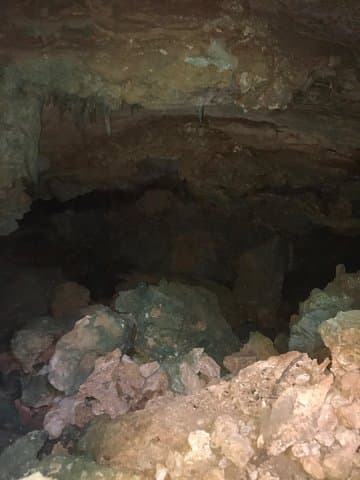
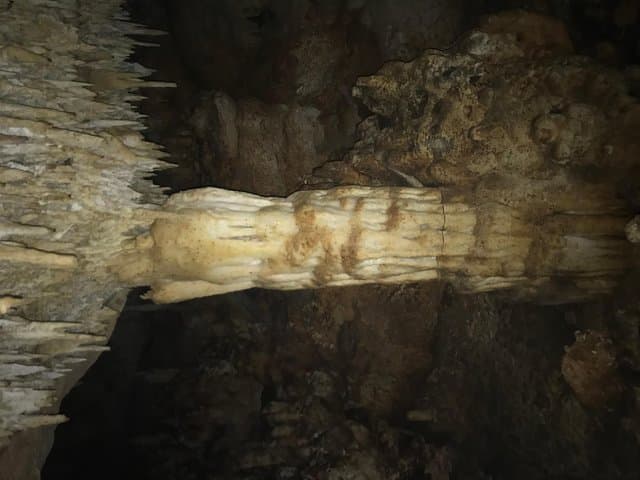
A warm trade wind meets the island as you step from the van onto the north shore road — the limestone cliffs rise pale and pitted, and a local guide gestures toward three dark mouths cut into the rock. The first entrance requires a short ladder descent; the air changes instantly from bright tropical heat to dense, humid cool. Bats stir in the rafters, and under your headlamp the limestones take on an otherworldly sheen, mineral surfaces that flash like wings when light skims them.
A warm trade wind meets the island as you step from the van onto the north shore road — the limestone cliffs rise pale and pitted, and a local guide gestures toward three dark mouths cut into the rock. The first entrance requires a short ladder descent; the air changes instantly from bright tropical heat to dense, humid cool. Bats stir in the rafters, and under your headlamp the limestones take on an otherworldly sheen, mineral surfaces that flash like wings when light skims them.
These caves formed in uplifted coral and ancient reef rock; over millennia seawater and rain dissolved channels and left chambers that islanders and the Arawak people knew as shelter and resource. Guides on Bonaire combine local oral history with geology—expect short explanations of karst processes, references to salt pans and the island’s seafaring culture, and the practical rules that protect fragile formations and bat colonies.
After crawling, ducking, and picking steps through narrow passages, the group moves to a low seaside ridge for a community-friendly cliff jump — a quick dip into shallow, clear water that feels like a reward after the cave’s enclosed hush.
Practical edge: bring closed-toe shoes that can get wet, a spare water bottle, and a headlamp even if one is supplied; wear lightweight clothing you can crouch and climb in. Note the tour’s physical demands—ladders, rock descents, and humid interiors mean steady mobility and basic scrambling confidence. Guides provide transport from Kralendijk and return you to the ship with time to spare; follow their safety briefings and you’ll leave with photographs and a clearer sense of Bonaire’s hidden underworld.