THE ADVENTURE COLLECTIVE® · Independent discovery and booking for outdoor travel

Rent a Cannondale and trade the island’s quiet roads and coral-strewn trails for a day of sun, wind and low, rewarding climbs. Perfect for self-guided riders who want coastal views and easy to moderate singletrack.
Rent a Cannondale and trade the island’s quiet roads and coral-strewn trails for a day of sun, wind and low, rewarding climbs. Perfect for self-guided riders who want coastal views and easy to moderate singletrack.
The ride begins where the sea throws salt at the rocks and the road slips into scrub—wind pushing the rider forward, the Cannondale frame humming underfoot. On Bonaire a lone pedal stroke opens a coastline of sun-bleached coral, low cactus ridges and quiet farm roads that feel older than the island’s paved arteries.
Verified experiences and guided adventures in the surrounding area.
Operated by Bonaire Kiteschool · Kralendijk, Bonaire
The ride begins where the sea throws salt at the rocks and the road slips into scrub—wind pushing the rider forward, the Cannondale frame humming underfoot. On Bonaire a lone pedal stroke opens a coastline of sun-bleached coral, low cactus ridges and quiet farm roads that feel older than the island’s paved arteries.
Geologically, Bonaire is a raised coral island; trails are often hard-packed coral, coarse sand and compacted gravel with occasional rocky outcrops. Historically the island’s economy revolved around salt pans and small-scale ranching; many of the roads crisscrossing the interior trace plantation tracks and old causeways. Local culture is relaxed and direct: a mix of Dutch, Caribbean and Papiamentu influences that surface at roadside cafes and in the small village of Rincon.
Riding here is about steady mileage more than steep climbs—expect short, punchy rollers rather than long ascents, and exposed sections where trade winds will test balance and endurance. Typical self-guided outings range from short 10–20 km coastal loops to all-day explorations up to 40 km if you cross the island. Rentals include a helmet, pump and lock; rates start at about $25/day, with multi-day discounts.
Practical tips: ride early to avoid heat, carry 2–3 liters of water, and protect tires from sharp coral rock. Stay on marked tracks to protect salt flats and flamingo habitat, and use reef-safe sunscreen. For independent riders the rental offers reliable kit and straightforward logistics—ideal for anyone wanting to trade the traffic for a wind-swept lane and a clear horizon.
moderate.
1 day–7 days.
Suitable for riders with basic cardiovascular fitness; expect mixed dirt and coastal roads requiring endurance rather than technical climbs.
No—rentals suit a wide range of abilities; basic bike handling and comfort on gravel are recommended for longer coastal routes.
Typical packages include a Cannondale mountain bike, helmet, pump and lock; multi-day rates are available.
Yes—helmets are provided and strongly recommended for all riders due to loose coral and gravel surfaces.
You can ride toward park boundaries, but check park access rules and vehicle requirements; some interior sections require a permit or a support vehicle.
Bonaire’s roads and salt pans reflect centuries of salt production and the island’s Dutch colonial history; many tracks follow former plantation and ranch routes.
Bonaire has strict marine and coastal protections—stay on established trails, avoid disturbing salt flats and use reef-safe products to limit impact.
Bonaire Kiteschool operates guided outdoor trips and adventures with an emphasis on safety, stewardship, and memorable experiences.
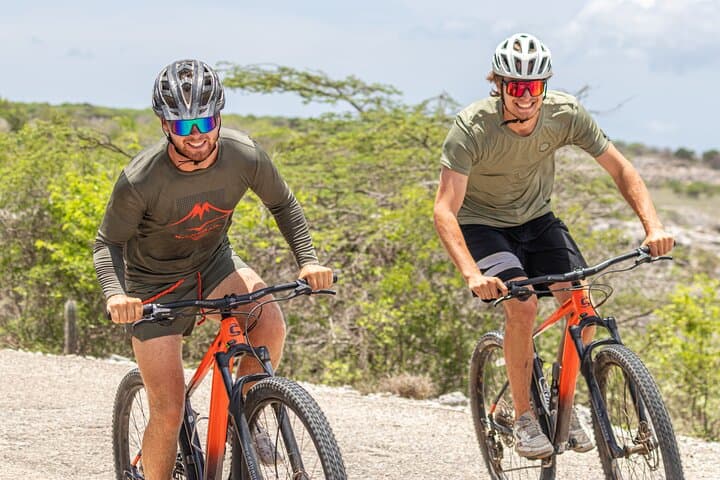
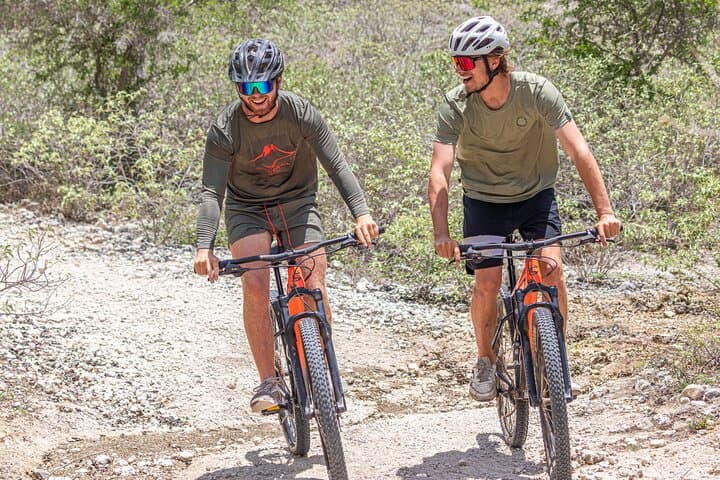
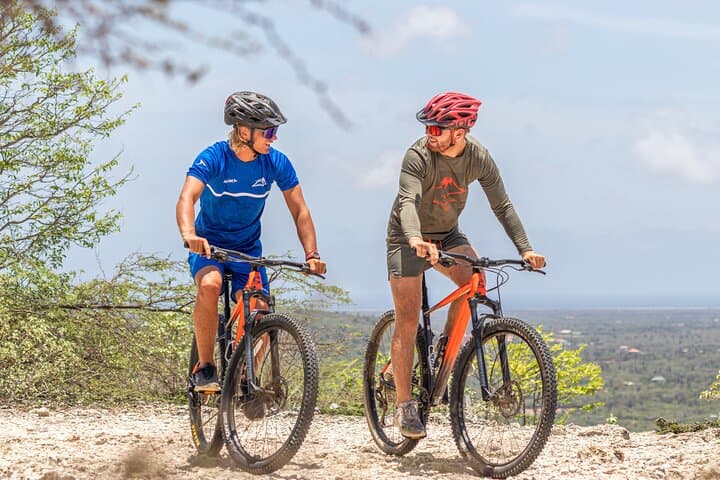
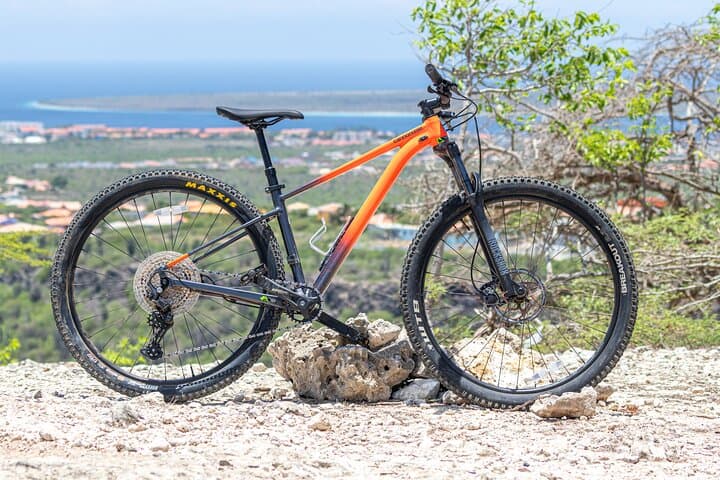
The ride begins where the sea throws salt at the rocks and the road slips into scrub—wind pushing the rider forward, the Cannondale frame humming underfoot. On Bonaire a lone pedal stroke opens a coastline of sun-bleached coral, low cactus ridges and quiet farm roads that feel older than the island’s paved arteries.
The ride begins where the sea throws salt at the rocks and the road slips into scrub—wind pushing the rider forward, the Cannondale frame humming underfoot. On Bonaire a lone pedal stroke opens a coastline of sun-bleached coral, low cactus ridges and quiet farm roads that feel older than the island’s paved arteries.
Geologically, Bonaire is a raised coral island; trails are often hard-packed coral, coarse sand and compacted gravel with occasional rocky outcrops. Historically the island’s economy revolved around salt pans and small-scale ranching; many of the roads crisscrossing the interior trace plantation tracks and old causeways. Local culture is relaxed and direct: a mix of Dutch, Caribbean and Papiamentu influences that surface at roadside cafes and in the small village of Rincon.
Riding here is about steady mileage more than steep climbs—expect short, punchy rollers rather than long ascents, and exposed sections where trade winds will test balance and endurance. Typical self-guided outings range from short 10–20 km coastal loops to all-day explorations up to 40 km if you cross the island. Rentals include a helmet, pump and lock; rates start at about $25/day, with multi-day discounts.
Practical tips: ride early to avoid heat, carry 2–3 liters of water, and protect tires from sharp coral rock. Stay on marked tracks to protect salt flats and flamingo habitat, and use reef-safe sunscreen. For independent riders the rental offers reliable kit and straightforward logistics—ideal for anyone wanting to trade the traffic for a wind-swept lane and a clear horizon.