THE ADVENTURE COLLECTIVE® · Independent discovery and booking for outdoor travel

A compact, off-road tour that brings you to Bonaire’s salt flats for close but respectful views of wild flamingos. Short, informative, and driven by local guides who know where to look.
A compact, off-road tour that brings you to Bonaire’s salt flats for close but respectful views of wild flamingos. Short, informative, and driven by local guides who know where to look.
Dust from the dirt road lifts in a pale curtain as the vehicle slows at the edge of a shallow salt pan.
Verified experiences and guided adventures in the surrounding area.
Operated by bonaire-taxi.com · Kralendijk, Bonaire
Dust from the dirt road lifts in a pale curtain as the vehicle slows at the edge of a shallow salt pan.
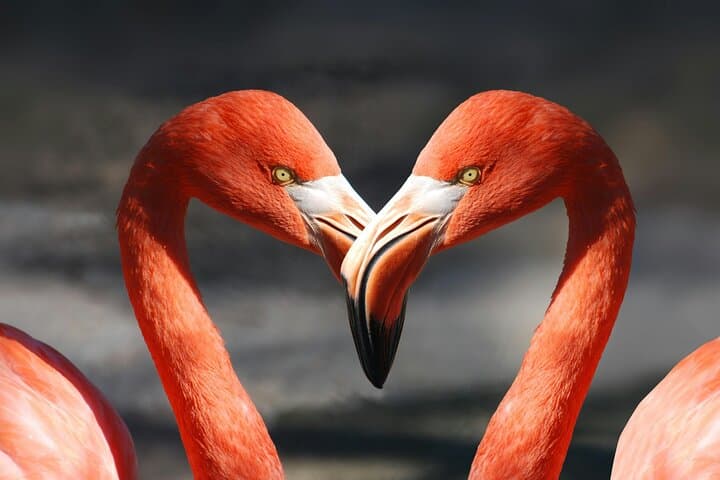
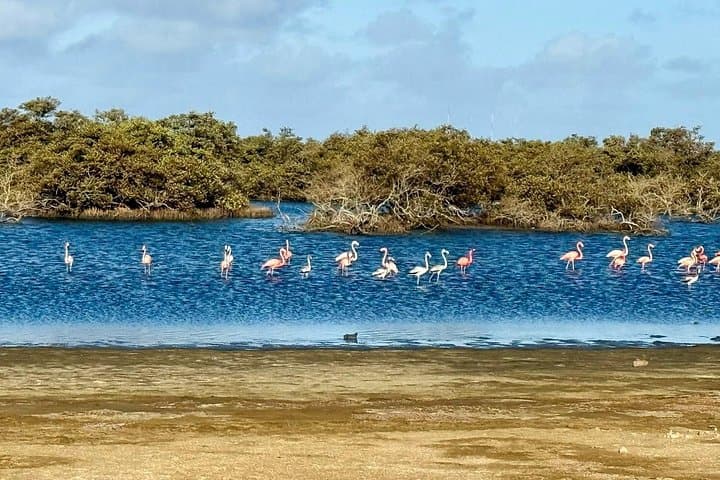
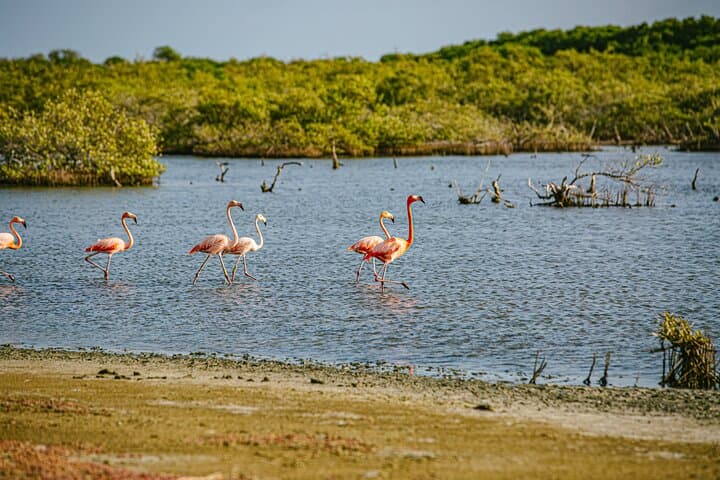
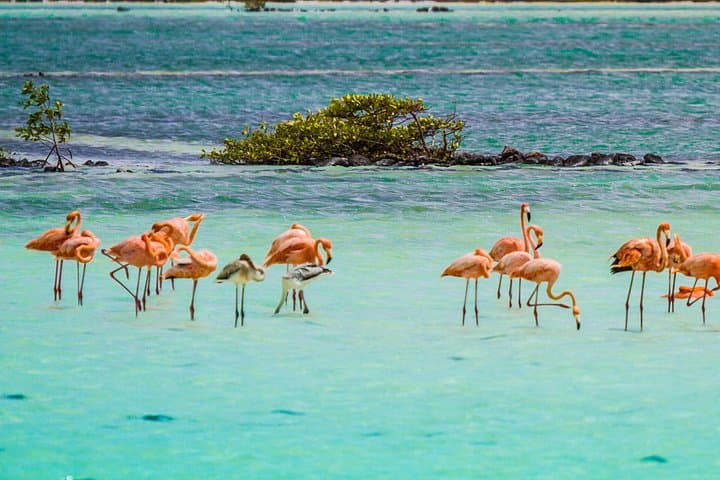
A scatter of pink shifts—a flock of Greater Flamingos feeding at the waterline— and for a moment the island feels like it is holding its breath. The guide points, quiet and practiced, steering you to a vantage that balances close views with respectful distance.
Pekelmeer and the surrounding salt flats are products of Bonaire’s low, porous coral limestone and centuries of salt extraction. The shallow lagoons concentrate salt and microalgae that flamingos feed on, drawing them in seasonally. Culturally, the flats shaped early commerce here: salt pans and windmills are as much part of the island’s story as its reefs.
Expect an off-road, 75-minute loop that favors short stops and mobile viewing. The dirt tracks can be bumpy; the vehicle’s air conditioning is welcome after sunlit stretches. Guides share local lore—where flocks prefer to gather, how storms shift feeding patterns, and why sightings are rarely guaranteed.
Practical takeaways: bring binoculars and a sun hat, keep voices low, and follow your guide’s instructions to reduce disturbance. Photography from the vehicle or a low tripod on stable ground gives the best results.
This is a short, accessible wildlife outing that leans on local knowledge rather than long hikes. It’s ideal for anyone who wants a close, conservation-minded encounter with Bonaire’s iconic pink residents without a strenuous effort.
easy.
1–1.5 hours.
No special fitness required; suitable for most travelers who can board a vehicle and stand briefly at short stops.
The guided experience runs about 75 minutes, including short stops at prime viewing locations.
No—sightings are highly likely because guides know the best spots, but flamingos are wild and can move with tides and weather.
Yes; the trip is low-impact and accessible, though the dirt road can be bumpy and infants must sit on laps per operator policy.
Guides may allow short, controlled exits at stable spots—always follow guidance to avoid disturbing birds or entering protected areas.
The Pekelmeer salt flats were historically used for salt production and are now a protected area important to migratory and resident bird populations.
Tours operate under local rules to minimize disturbance; keep to designated viewing points and avoid salty flats to protect vegetation and breeding birds.
bonaire-taxi.com operates guided outdoor trips and adventures with an emphasis on safety, stewardship, and memorable experiences.
Dust from the dirt road lifts in a pale curtain as the vehicle slows at the edge of a shallow salt pan.
Dust from the dirt road lifts in a pale curtain as the vehicle slows at the edge of a shallow salt pan.
A scatter of pink shifts—a flock of Greater Flamingos feeding at the waterline— and for a moment the island feels like it is holding its breath. The guide points, quiet and practiced, steering you to a vantage that balances close views with respectful distance.
Pekelmeer and the surrounding salt flats are products of Bonaire’s low, porous coral limestone and centuries of salt extraction. The shallow lagoons concentrate salt and microalgae that flamingos feed on, drawing them in seasonally. Culturally, the flats shaped early commerce here: salt pans and windmills are as much part of the island’s story as its reefs.
Expect an off-road, 75-minute loop that favors short stops and mobile viewing. The dirt tracks can be bumpy; the vehicle’s air conditioning is welcome after sunlit stretches. Guides share local lore—where flocks prefer to gather, how storms shift feeding patterns, and why sightings are rarely guaranteed.
Practical takeaways: bring binoculars and a sun hat, keep voices low, and follow your guide’s instructions to reduce disturbance. Photography from the vehicle or a low tripod on stable ground gives the best results.
This is a short, accessible wildlife outing that leans on local knowledge rather than long hikes. It’s ideal for anyone who wants a close, conservation-minded encounter with Bonaire’s iconic pink residents without a strenuous effort.