THE ADVENTURE COLLECTIVE® · Independent discovery and booking for outdoor travel

A swift, two-hour loop from Kralendijk that highlights Bonaire’s salt flats, colonial slave huts, a historic lighthouse and the shallow, seagrass-rich Sorobon Beach. Expect wildlife viewing, photo stops, and concise local context from your guide.
A swift, two-hour loop from Kralendijk that highlights Bonaire’s salt flats, colonial slave huts, a historic lighthouse and the shallow, seagrass-rich Sorobon Beach. Expect wildlife viewing, photo stops, and concise local context from your guide.
You step off the van in Kralendijk where the low-rise town sits on what locals call the “coral dike.” Salt hills glitter to the south like raw sugar; flamingos pick through shallow pans while a lighthouse keeps quiet watch on the coast.
Verified experiences and guided adventures in the surrounding area.
Operated by Bonaij Adventure Tours · Kralendijk, Bonaire
You step off the van in Kralendijk where the low-rise town sits on what locals call the “coral dike.” Salt hills glitter to the south like raw sugar; flamingos pick through shallow pans while a lighthouse keeps quiet watch on the coast.
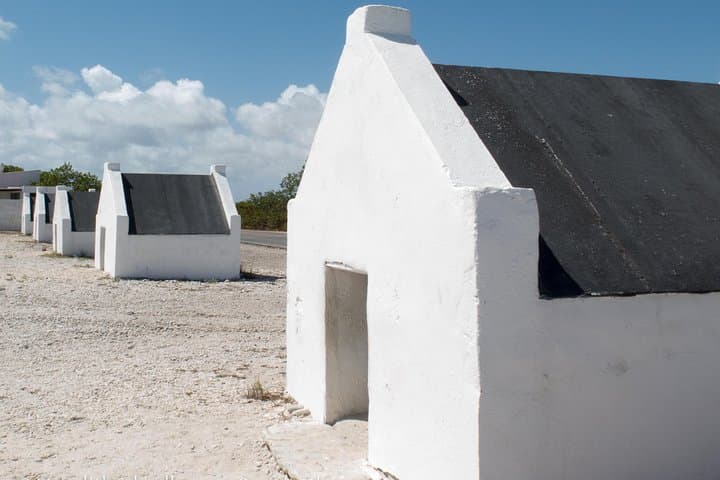
This two-hour island loop moves fast but deliberately — stops at the centuries-old salt flats, the small white and yellow slave huts that mark a painful labor history, and a lighthouse whose placement dates to 19th-century colonial administration. Geologically, Bonaire is an uplifted limestone platform fringed by living coral; that coral rim and the adjacent seagrass meadows of Lac Bay make the island part of one of the Caribbean’s most strictly managed marine parks, established to protect reefs and foraging grounds.
Culturally, the route offers a cross-section of island life: salt production that shaped the economy from the 1600s, Afro-Caribbean architecture in town, and a living connection to fishing and kite sports at Sorobon. Nature is tactile here — wind pushes the salt, mangroves hold the bay, and turtles graze the seagrass close to shore.
Practical guidance: arrive with reef-safe sunscreen, a hat, and water shoes for the Sorobon beach break; most stops are short photo ops so mobility needs are low but camera-ready footwear matters. The tour is wheelchair-accessible with vehicle pickup; follow your guide’s directions near wildlife and flamingo breeding zones. Midday light is harsh — mornings or late afternoons give softer photos and steadier winds along the coast.
easy.
2 hours.
Minimal fitness required; mostly vehicle-based with short walks and photo stops
Yes — the tour is family-friendly; infants must sit on an adult’s lap and infant seats are available on request.
The itinerary includes a beach break at Sorobon for wading and photos; organized snorkeling is not part of this two-hour tour.
Yes — the vehicle and some stops are wheelchair-accessible; collapsible wheelchairs with removable wheels can be assisted for boarding.
Full refunds are available if you cancel at least 24 hours before departure; cancellations for bad weather or insufficient travelers may apply.
Salt production has shaped Bonaire since the 17th century; the white and yellow slave huts mark where salt laborers once worked and rested.
The entire island sits within the Bonaire National Marine Park; visitors are asked to follow reef‑safe practices, avoid touching coral, and heed protected-area signs.
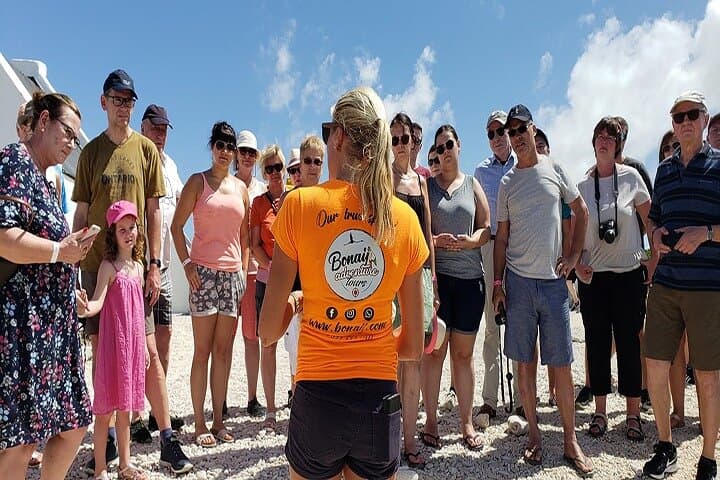
Bonaij Adventure Tours operates guided outdoor trips and adventures with an emphasis on safety, stewardship, and memorable experiences.
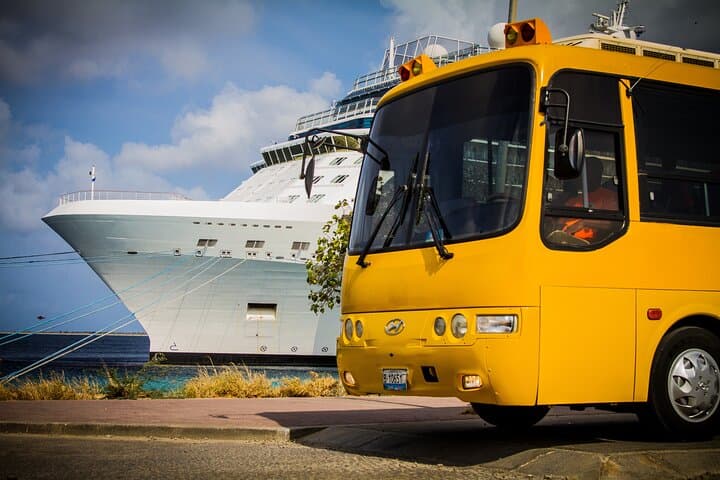
You step off the van in Kralendijk where the low-rise town sits on what locals call the “coral dike.” Salt hills glitter to the south like raw sugar; flamingos pick through shallow pans while a lighthouse keeps quiet watch on the coast.
You step off the van in Kralendijk where the low-rise town sits on what locals call the “coral dike.” Salt hills glitter to the south like raw sugar; flamingos pick through shallow pans while a lighthouse keeps quiet watch on the coast.
This two-hour island loop moves fast but deliberately — stops at the centuries-old salt flats, the small white and yellow slave huts that mark a painful labor history, and a lighthouse whose placement dates to 19th-century colonial administration. Geologically, Bonaire is an uplifted limestone platform fringed by living coral; that coral rim and the adjacent seagrass meadows of Lac Bay make the island part of one of the Caribbean’s most strictly managed marine parks, established to protect reefs and foraging grounds.
Culturally, the route offers a cross-section of island life: salt production that shaped the economy from the 1600s, Afro-Caribbean architecture in town, and a living connection to fishing and kite sports at Sorobon. Nature is tactile here — wind pushes the salt, mangroves hold the bay, and turtles graze the seagrass close to shore.
Practical guidance: arrive with reef-safe sunscreen, a hat, and water shoes for the Sorobon beach break; most stops are short photo ops so mobility needs are low but camera-ready footwear matters. The tour is wheelchair-accessible with vehicle pickup; follow your guide’s directions near wildlife and flamingo breeding zones. Midday light is harsh — mornings or late afternoons give softer photos and steadier winds along the coast.