THE ADVENTURE COLLECTIVE® · Independent discovery and booking for outdoor travel

Descend into Bonaire’s limestone underworld to climb through dry caverns and snorkel clear freshwater chambers. This guided 2–3 hour trip blends light climbing, cave geology, and up-close exploration—ideal for fit travelers comfortable in water and confined spaces.
Descend into Bonaire’s limestone underworld to climb through dry caverns and snorkel clear freshwater chambers. This guided 2–3 hour trip blends light climbing, cave geology, and up-close exploration—ideal for fit travelers comfortable in water and confined spaces.
You step off the scrubby limestone into a cool throat of shade where the air tightens and the light becomes a tool rather than a blanket. Water glints below—clear, impossibly fresh—and the cave narrows to a place that seems to have been waiting for footsteps. Guides hand out flashlights and masks; the next hour folds between climbs over rock ribs and silent swims through chambers lit by your beam.
Verified experiences and guided adventures in the surrounding area.
Operated by Amazing Bonaire · Kralendijk, Caribbean Netherlands
You step off the scrubby limestone into a cool throat of shade where the air tightens and the light becomes a tool rather than a blanket. Water glints below—clear, impossibly fresh—and the cave narrows to a place that seems to have been waiting for footsteps. Guides hand out flashlights and masks; the next hour folds between climbs over rock ribs and silent swims through chambers lit by your beam.
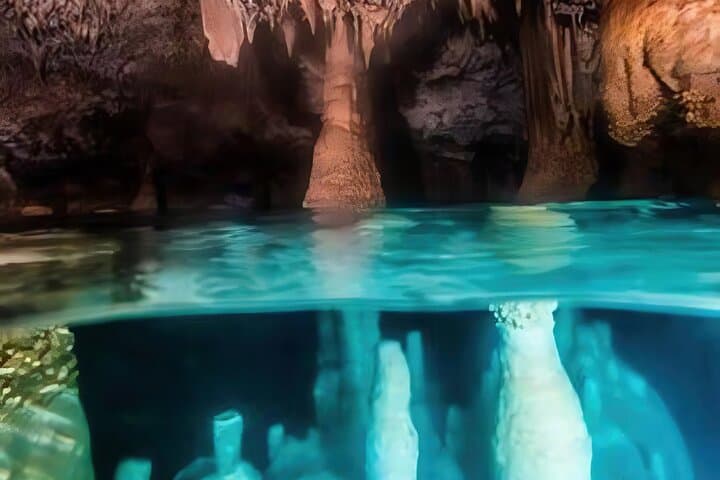
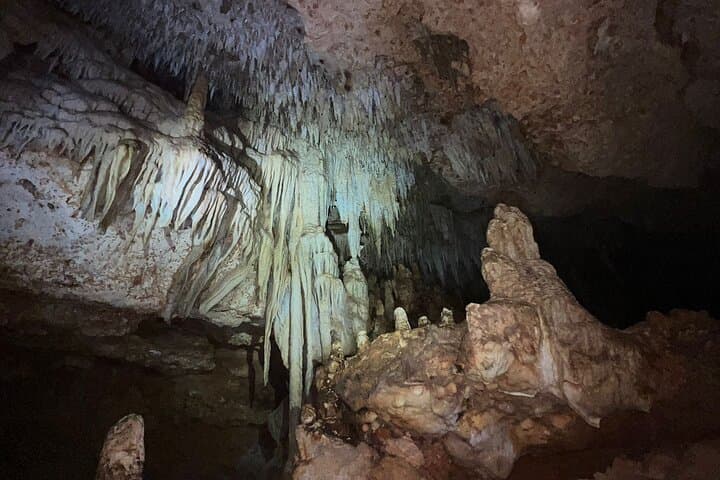
Bonaire’s caves sit on uplifted Pleistocene limestone and ancient reef terraces. Centuries of wind and rain carved caverns, while Indigenous Arawak artists left petroglyphs on cliff faces near Fontein. Colonial salt works and modern conservation efforts have shaped the island’s coastline, but underground pools offer a quieter geology lesson: karst channels, calcified flowstones and thin freshwater lenses floating above denser seawater.
Expect a mixed-movement adventure: easy scrambles, short vertical steps, and snorkel swims through submerged chambers. The guide will brief you on safety, buoyancy and constrained passages; minimum age restrictions apply and a reasonable level of fitness is required. Practical tips: wear sturdy water shoes with grip, a snug-fitting mask (snorkel gear is supplied), and reef-safe sunscreen. Bring a lightweight dry bag for phone and camera and hydrate before you enter—the cave is deceptively demanding.
This trip is equal parts geology lesson and hands-on exploration. Move deliberately, respect formations and follow your guide’s route through the dark. The payoff is sensory—a cold freshwater pool that refuses the island’s heat, rock formations that sound like slow, patient growth, and a compact, unforgettable interior of Bonaire most visitors never see.
challenging.
2–3 hours.
You should be in good cardiovascular shape, comfortable with swimming, and able to manage short climbs and confined spaces.
Minimum age is 10; participants must be within the operator’s age range and meet physical requirements.
Yes—snorkel equipment and flashlights are provided; you may bring your own mask if you prefer.
Not recommended for pregnant travelers or those with significant back, heart or mobility issues due to climbing and swimming demands.
Tours may be canceled for heavy rain or unsafe conditions; you’ll receive full refund if canceled at least 24 hours prior per the operator policy.
Bonaire’s landscape records Arawak habitation and later European salt‑trade colonial use; caves preserve both geological time and traces of human history like petroglyphs.
Cave formations and freshwater lenses are fragile—stick to marked paths, avoid touching calcified formations, and use reef‑safe sunscreen to protect underground outflows and nearby reefs.
Amazing Bonaire operates guided outdoor trips and adventures with an emphasis on safety, stewardship, and memorable experiences.
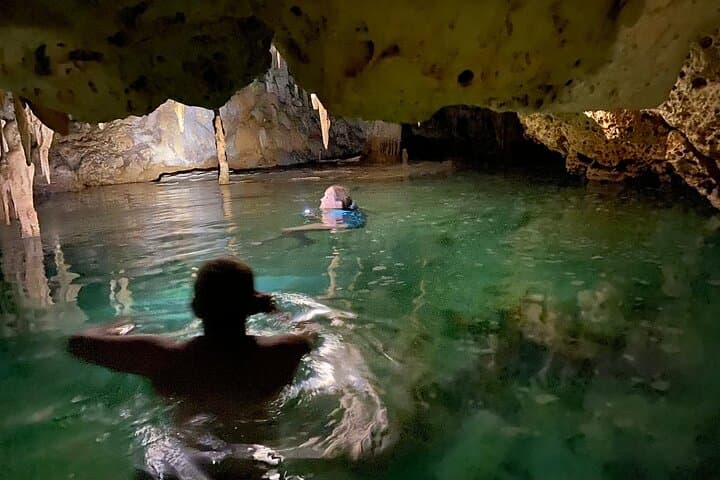
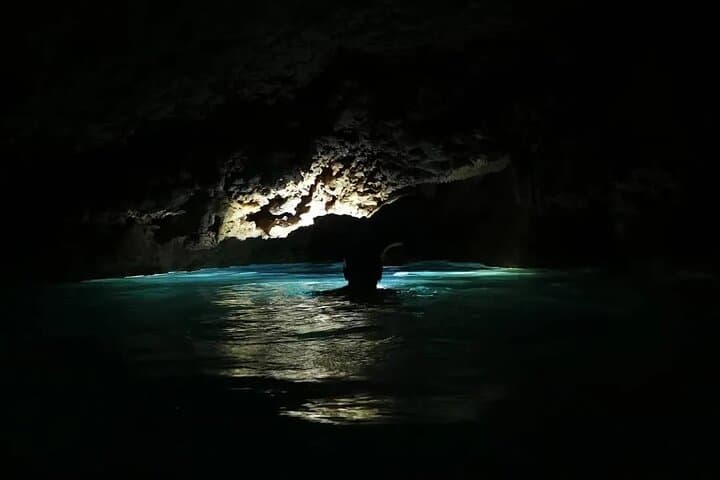
You step off the scrubby limestone into a cool throat of shade where the air tightens and the light becomes a tool rather than a blanket. Water glints below—clear, impossibly fresh—and the cave narrows to a place that seems to have been waiting for footsteps. Guides hand out flashlights and masks; the next hour folds between climbs over rock ribs and silent swims through chambers lit by your beam.
You step off the scrubby limestone into a cool throat of shade where the air tightens and the light becomes a tool rather than a blanket. Water glints below—clear, impossibly fresh—and the cave narrows to a place that seems to have been waiting for footsteps. Guides hand out flashlights and masks; the next hour folds between climbs over rock ribs and silent swims through chambers lit by your beam.
Bonaire’s caves sit on uplifted Pleistocene limestone and ancient reef terraces. Centuries of wind and rain carved caverns, while Indigenous Arawak artists left petroglyphs on cliff faces near Fontein. Colonial salt works and modern conservation efforts have shaped the island’s coastline, but underground pools offer a quieter geology lesson: karst channels, calcified flowstones and thin freshwater lenses floating above denser seawater.
Expect a mixed-movement adventure: easy scrambles, short vertical steps, and snorkel swims through submerged chambers. The guide will brief you on safety, buoyancy and constrained passages; minimum age restrictions apply and a reasonable level of fitness is required. Practical tips: wear sturdy water shoes with grip, a snug-fitting mask (snorkel gear is supplied), and reef-safe sunscreen. Bring a lightweight dry bag for phone and camera and hydrate before you enter—the cave is deceptively demanding.
This trip is equal parts geology lesson and hands-on exploration. Move deliberately, respect formations and follow your guide’s route through the dark. The payoff is sensory—a cold freshwater pool that refuses the island’s heat, rock formations that sound like slow, patient growth, and a compact, unforgettable interior of Bonaire most visitors never see.