
Bonaire Bioluminescent Night Snorkeling: See Ostracods Light Up the Sea
Slip into the dark Caribbean and watch the sea respond—tiny crustaceans flare like living stars as you drift just beneath the surface. This 90‑minute night snorkel on Bonaire pairs intimate natural history with safe, shore-based access for an unforgettable nocturnal encounter.
An Adventure In Kralendijk.
Slip into the dark Caribbean and watch the sea respond—tiny crustaceans flare like living stars as you drift just beneath the surface. This 90‑minute night snorkel on Bonaire pairs intimate natural history with safe, shore-based access for an unforgettable nocturnal encounter.
Read the full experience
The supermarket parking lot hums with fluorescent lettering and the scent of salt; a white pickup truck with a logo waits under a streetlamp as the guide checks flashlights. Minutes later you walk barefoot across warm volcanic sand, the town lights shrinking behind you, and the ocean ahead takes on a different personality — patient, black, and suddenly ready to show you something alive.
The supermarket parking lot hums with fluorescent lettering and the scent of salt; a white pickup truck with a logo waits under a streetlamp as the guide checks flashlights. Minutes later you walk barefoot across warm volcanic sand, the town lights shrinking behind you, and the ocean ahead takes on a different personality — patient, black, and suddenly ready to show you something alive.
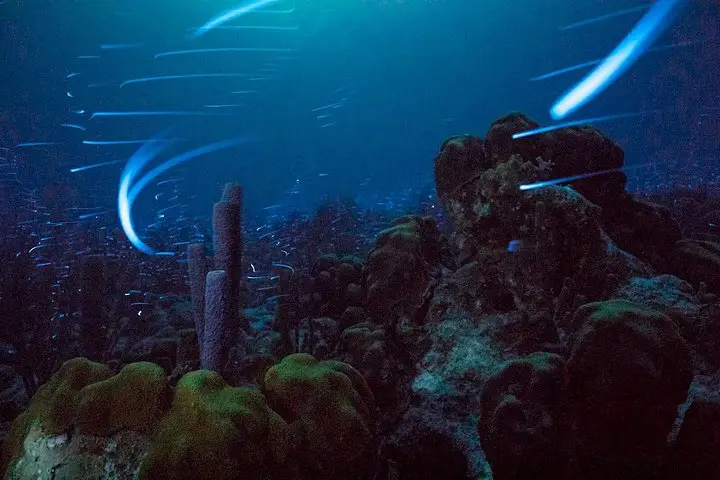
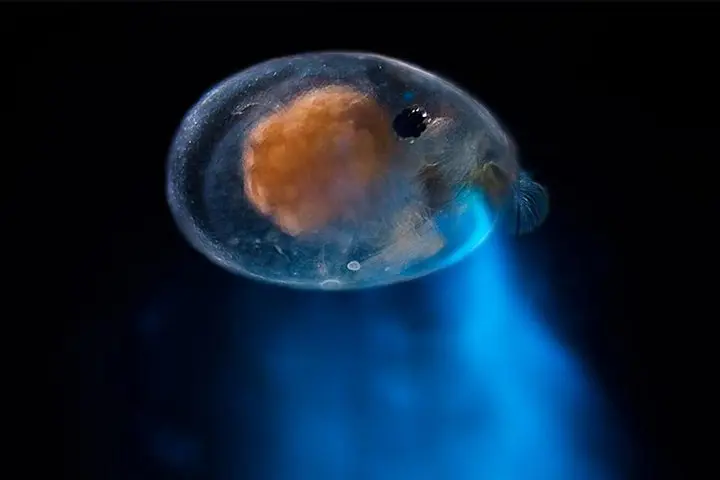
On Bonaire, the phenomenon you’re here to see is small and ancient: ostracods, microscopic crustaceans that produce blue-green light when disturbed. Under the guide’s LED beam you’ll learn the difference between fluorescence and bioluminescence, and why this stretch of Caribbean shoreline teems with living light. The island itself is limestone and volcanic rock, its coral fringing reefs shaped over millennia by currents and wind. For centuries Bonaire’s economy revolved around salt pans and small-scale fishing; today conservation and tourism sit at the center of local identity, anchored by the Bonaire National Marine Park established to protect the reef that makes nights like this possible.
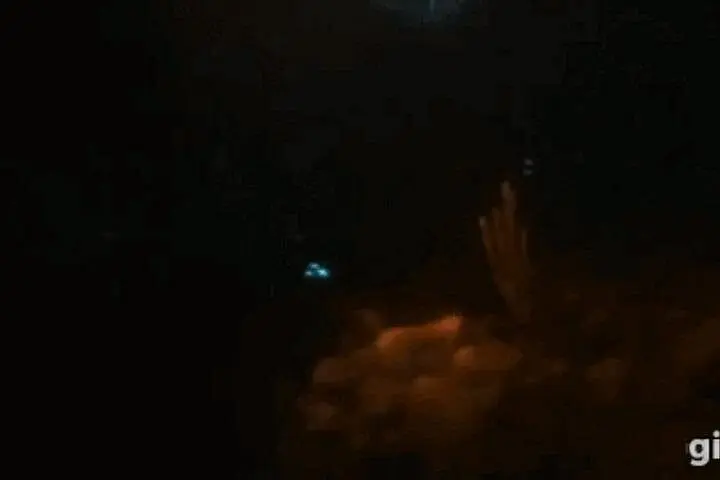
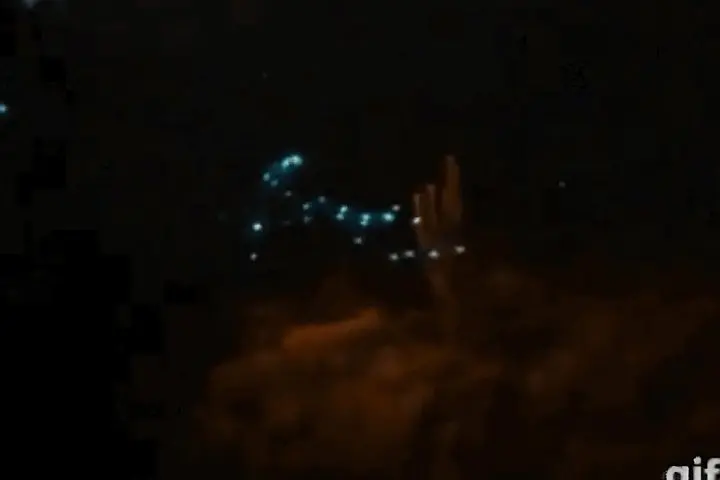
The experience is quietly theatrical. Entering from shore, you’ll drift shallow, the water cool around your knees before swallowing you to mask-level. A gentle sweep of a hand sends galaxies across the surface — not ethereal decoration but a defensive pulse from tiny organisms. Guides explain not just what you’re seeing but why it matters: these displays indicate active, healthy micro-ecosystems and seasonal shifts in plankton and currents.
Practicalities matter on a night tour. The outing runs roughly 90 minutes and requires basic snorkeling ability and comfort in dark water. Guides provide snorkel gear and safety lights; bring a long-sleeve rashguard or thin wetsuit to reduce abrasion and the chance of jellyfish stings, and leave reflective sunscreen at home — oils and lotions can change the surface behavior of the water. Timing is crucial: darker nights after moonset and calm seas improve visibility; a high moon or choppy water will dim the effect.
Expect an intimate group (max eight) and an on-the-spot briefing covering entry, hand signals, and how to move to maximize sightings without harming the reef. The operator can cancel for weather or high jellyfish activity and offers a rebooking if that happens. For certified divers, a night dive option promises a fuller immersion into the phenomenon.
When you climb back onto shore, cold air and a steaming cup of ginger tea can pull you out of that thin magic. But the memory — a ribbon of light trailing your fingers, the ocean answering like a living sky — stays with a clarity that daylight rarely achieves.
Frequently asked questions
The entire activity is about 90 minutes, with shore briefing, water time, and a short debrief at the end.
There’s always some chance of sightings, but intensity varies with moon phase, tides and weather; guides monitor conditions and may reschedule for poor visibility.
Participants should be comfortable in water and able to snorkel from shore; flotation can be provided but true non-swimmers are not recommended.
Yes—guides supply snorkel equipment and snorkel lights; bringing your personal mask for fit is recommended.
Children are welcome if they meet basic swimming ability and parental supervision requirements—check age restrictions with the operator when booking.
Night snorkeling can increase the chance of encountering jellyfish; guides monitor conditions and may end the excursion early and offer a free rebooking if stings are a risk.
About This Experience
Amazing Bonaire operates guided outdoor trips and adventures with an emphasis on safety, stewardship, and memorable experiences.
Adventure tips
Recommended gear
- Long-sleeve rashguard or thin wetsuit: Keeps you warm, reduces jellyfish stings and protects against scrapes during shore entry.
- Mask and snorkel (or use provided gear): Clear optics and a functioning snorkel make it easier to stay relaxed and focused on the glow.
- Waterproof headlamp or small dim flashlight: Useful for walking to the entry point and for brief surface orientation without overwhelming the bioluminescence.
- A secure strap for mask and snorkel: Prevents gear loss in waves and lets you keep hands free to gently disturb the water for better displays.
Photos of the experience
Related adventures & guides
Read the full experience
The supermarket parking lot hums with fluorescent lettering and the scent of salt; a white pickup truck with a logo waits under a streetlamp as the guide checks flashlights. Minutes later you walk barefoot across warm volcanic sand, the town lights shrinking behind you, and the ocean ahead takes on a different personality — patient, black, and suddenly ready to show you something alive.
The supermarket parking lot hums with fluorescent lettering and the scent of salt; a white pickup truck with a logo waits under a streetlamp as the guide checks flashlights. Minutes later you walk barefoot across warm volcanic sand, the town lights shrinking behind you, and the ocean ahead takes on a different personality — patient, black, and suddenly ready to show you something alive.
On Bonaire, the phenomenon you’re here to see is small and ancient: ostracods, microscopic crustaceans that produce blue-green light when disturbed. Under the guide’s LED beam you’ll learn the difference between fluorescence and bioluminescence, and why this stretch of Caribbean shoreline teems with living light. The island itself is limestone and volcanic rock, its coral fringing reefs shaped over millennia by currents and wind. For centuries Bonaire’s economy revolved around salt pans and small-scale fishing; today conservation and tourism sit at the center of local identity, anchored by the Bonaire National Marine Park established to protect the reef that makes nights like this possible.
The experience is quietly theatrical. Entering from shore, you’ll drift shallow, the water cool around your knees before swallowing you to mask-level. A gentle sweep of a hand sends galaxies across the surface — not ethereal decoration but a defensive pulse from tiny organisms. Guides explain not just what you’re seeing but why it matters: these displays indicate active, healthy micro-ecosystems and seasonal shifts in plankton and currents.
Practicalities matter on a night tour. The outing runs roughly 90 minutes and requires basic snorkeling ability and comfort in dark water. Guides provide snorkel gear and safety lights; bring a long-sleeve rashguard or thin wetsuit to reduce abrasion and the chance of jellyfish stings, and leave reflective sunscreen at home — oils and lotions can change the surface behavior of the water. Timing is crucial: darker nights after moonset and calm seas improve visibility; a high moon or choppy water will dim the effect.
Expect an intimate group (max eight) and an on-the-spot briefing covering entry, hand signals, and how to move to maximize sightings without harming the reef. The operator can cancel for weather or high jellyfish activity and offers a rebooking if that happens. For certified divers, a night dive option promises a fuller immersion into the phenomenon.
When you climb back onto shore, cold air and a steaming cup of ginger tea can pull you out of that thin magic. But the memory — a ribbon of light trailing your fingers, the ocean answering like a living sky — stays with a clarity that daylight rarely achieves.
Make a day of it nearby.
Verified experiences and guided adventures in the surrounding area.