THE ADVENTURE COLLECTIVE® · Independent discovery and booking for outdoor travel

Head out from Nautico Marina for a focused, four-hour fishing charter around Bonaire’s deep drop-offs. Expect live baiting, trolling and the chance to land mahi mahi, tuna, and wahoo—then have the crew fillet and bag your catch back at the dock.
Head out from Nautico Marina for a focused, four-hour fishing charter around Bonaire’s deep drop-offs. Expect live baiting, trolling and the chance to land mahi mahi, tuna, and wahoo—then have the crew fillet and bag your catch back at the dock.
You step off the dock at Nautico Marina and the heat of Bonaire’s low scrub greets you for a second before a trade wind takes over, flattening the harbor and pushing the scent of salt and diesel past the restaurant terraces. The Flying Fish shuffles lines as the captain runs a last-minute check; within minutes the island’s shoreline has slipped into a thin green ribbon and the sea opens—blue so deep it looks like it could swallow whole maps.
Verified experiences and guided adventures in the surrounding area.
Operated by Flying Fish Charters · Kralendijk, Bonaire
You step off the dock at Nautico Marina and the heat of Bonaire’s low scrub greets you for a second before a trade wind takes over, flattening the harbor and pushing the scent of salt and diesel past the restaurant terraces. The Flying Fish shuffles lines as the captain runs a last-minute check; within minutes the island’s shoreline has slipped into a thin green ribbon and the sea opens—blue so deep it looks like it could swallow whole maps.
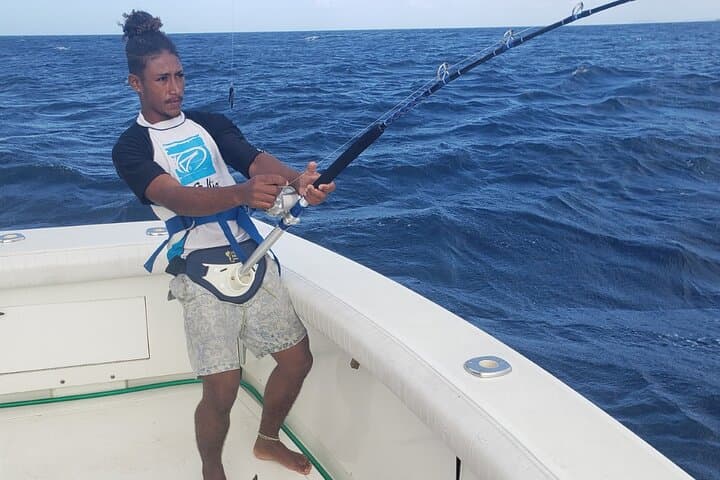
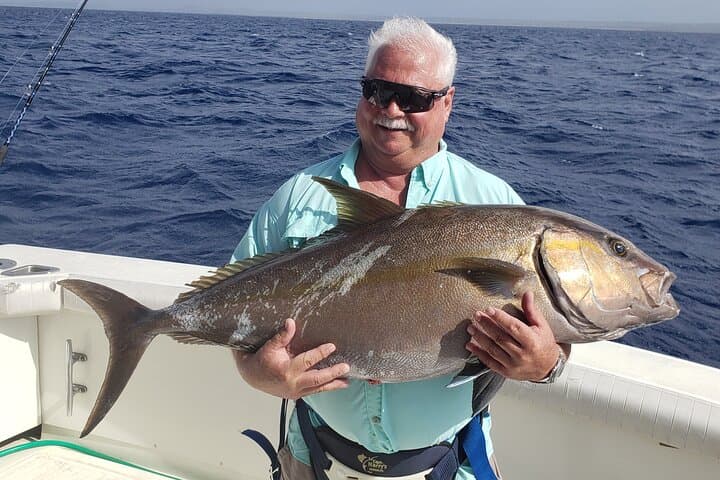
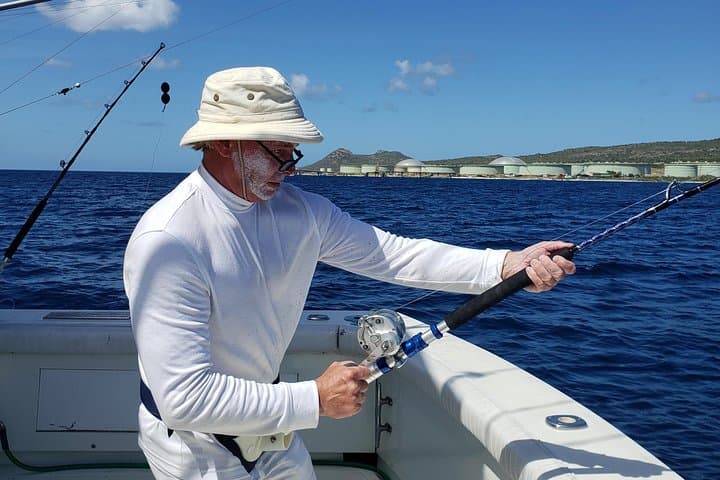
This four-hour charter trades comfort for immediacy: live bait first thing, short runs to reef drop-offs or fast trolling lanes, and a real shot at mahi mahi, tuna or the occasional wahoo. The boat’s rhythm sets the day—decisive bursts of speed, then the quiet of drift and the metallic ping of tackle on the rail. Deckhands know the water and the locals: dolphins commonly cut through the swell and sea turtles surface unbothered, curious about the commotion.
Bonaire’s waters are shaped by a volcanic past and a living reef. Unlike limestone-fringed Caribbean islands, Bonaire drops quickly offshore, forming steep walls and ledges that attract pelagics. The island’s history is maritime—salt pans and small-scale fishing ran the economy long before tourism. Today the Bonaire National Marine Park governs how anglers interact with reefs, which preserves fish stock and keeps encounters with sea life meaningful.
Culturally, a charter here is low-friction. Operators offer pick-up from hotels around Kralendijk, and the dock sits a short walk from local eateries where fish is still measured by the day’s catch. Expect practical service—bait, tackle, iced storage and filleting when you return. The crew will clean and bag fillets, and they’ll talk through sustainable choices if you want to practice catch-and-release.
Practical guidance: book early for morning departures—calmer seas and better bite rates—and plan for sun exposure: shade is limited on deck. Bring motion-sickness meds if you’re prone; even experienced anglers can feel the roll offshore. Wear non-marking deck shoes and a lightweight long-sleeve for sun protection. Hydration and a baseline of patience pay off—the afternoon runs often have the surprise strikes.
Expect short runs from five to forty-five minutes; fishing methods vary from trolling to bottom rigs and sight casting for surface feeders. The crew’s local knowledge matters—follow their lead on tackle and presentation. When you return, set aside time to stroll Kralendijk, sample a cold soda on the waterfront, and consider a reef snorkel to see the same habitat you were fishing for, from below.
moderate.
4 hours.
You should be able to stand and move on a pitching deck for several hours; basic mobility and balance are required.
No separate license is required for visitors on commercial charters; the operator handles permits and follows local regulations.
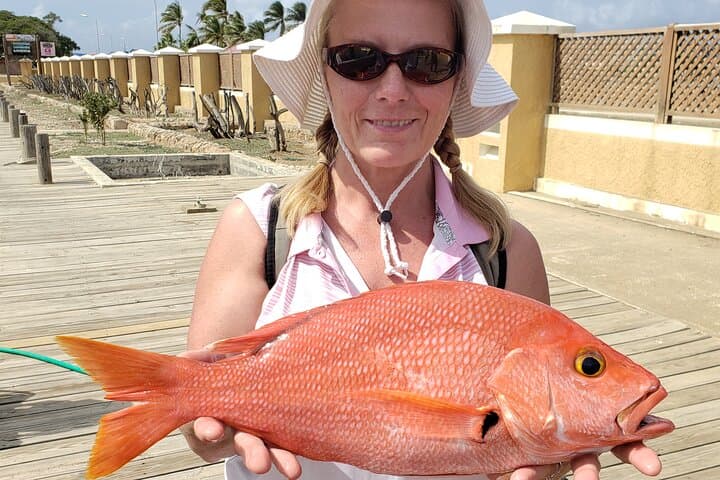
Common targets include mahi mahi (dorado), tuna, wahoo and reef species depending on the chosen spot and method.
Yes—this charter is family-friendly, but the crew asks that parents supervise children and request life jackets if needed.
All kept fish are bled, iced and filleted; the crew will bag fillets for you to take home or to a restaurant.
Yes—bottled water, snacks, soda and a lunch are included in the charter price.
Trips are refundable if cancelled for bad weather; full refunds are issued when cancelled at least 24 hours before departure.
Bonaire’s economy historically centered on salt and small-scale fishing; the island’s reefs have shaped local livelihoods for centuries.
Bonaire National Marine Park strictly manages reef use—charters follow catch limits and encourage catch-and-release to protect stocks.
Flying Fish Charters operates guided outdoor trips and adventures with an emphasis on safety, stewardship, and memorable experiences.
You step off the dock at Nautico Marina and the heat of Bonaire’s low scrub greets you for a second before a trade wind takes over, flattening the harbor and pushing the scent of salt and diesel past the restaurant terraces. The Flying Fish shuffles lines as the captain runs a last-minute check; within minutes the island’s shoreline has slipped into a thin green ribbon and the sea opens—blue so deep it looks like it could swallow whole maps.
You step off the dock at Nautico Marina and the heat of Bonaire’s low scrub greets you for a second before a trade wind takes over, flattening the harbor and pushing the scent of salt and diesel past the restaurant terraces. The Flying Fish shuffles lines as the captain runs a last-minute check; within minutes the island’s shoreline has slipped into a thin green ribbon and the sea opens—blue so deep it looks like it could swallow whole maps.
This four-hour charter trades comfort for immediacy: live bait first thing, short runs to reef drop-offs or fast trolling lanes, and a real shot at mahi mahi, tuna or the occasional wahoo. The boat’s rhythm sets the day—decisive bursts of speed, then the quiet of drift and the metallic ping of tackle on the rail. Deckhands know the water and the locals: dolphins commonly cut through the swell and sea turtles surface unbothered, curious about the commotion.
Bonaire’s waters are shaped by a volcanic past and a living reef. Unlike limestone-fringed Caribbean islands, Bonaire drops quickly offshore, forming steep walls and ledges that attract pelagics. The island’s history is maritime—salt pans and small-scale fishing ran the economy long before tourism. Today the Bonaire National Marine Park governs how anglers interact with reefs, which preserves fish stock and keeps encounters with sea life meaningful.
Culturally, a charter here is low-friction. Operators offer pick-up from hotels around Kralendijk, and the dock sits a short walk from local eateries where fish is still measured by the day’s catch. Expect practical service—bait, tackle, iced storage and filleting when you return. The crew will clean and bag fillets, and they’ll talk through sustainable choices if you want to practice catch-and-release.
Practical guidance: book early for morning departures—calmer seas and better bite rates—and plan for sun exposure: shade is limited on deck. Bring motion-sickness meds if you’re prone; even experienced anglers can feel the roll offshore. Wear non-marking deck shoes and a lightweight long-sleeve for sun protection. Hydration and a baseline of patience pay off—the afternoon runs often have the surprise strikes.
Expect short runs from five to forty-five minutes; fishing methods vary from trolling to bottom rigs and sight casting for surface feeders. The crew’s local knowledge matters—follow their lead on tackle and presentation. When you return, set aside time to stroll Kralendijk, sample a cold soda on the waterfront, and consider a reef snorkel to see the same habitat you were fishing for, from below.