THE ADVENTURE COLLECTIVE® · Independent discovery and booking for outdoor travel

Experience Darwin’s WWII history from two perspectives: a one-hour harbour cruise that visits wreck sites and gun emplacements, paired with an immersive RFDS virtual reality presentation. This combo blends maritime sightlines with multimedia storytelling for a compact, accessible history tour.
Experience Darwin’s WWII history from two perspectives: a one-hour harbour cruise that visits wreck sites and gun emplacements, paired with an immersive RFDS virtual reality presentation. This combo blends maritime sightlines with multimedia storytelling for a compact, accessible history tour.
The harbour opens like a photograph you can walk into: corrugated tin oil tanks hunkered at the water’s edge, pearling luggers bobbing with a slow insistence, and stainless-steel gun emplacements pointing toward the horizon. On a morning at Stokes Hill Wharf the tide pulls at the pylons and the harbour dares you to read its wartime scars.
Verified experiences and guided adventures in the surrounding area.
Operated by Sea Darwin-Sea Tiwi · Darwin, Northern Territory
The harbour opens like a photograph you can walk into: corrugated tin oil tanks hunkered at the water’s edge, pearling luggers bobbing with a slow insistence, and stainless-steel gun emplacements pointing toward the horizon. On a morning at Stokes Hill Wharf the tide pulls at the pylons and the harbour dares you to read its wartime scars.
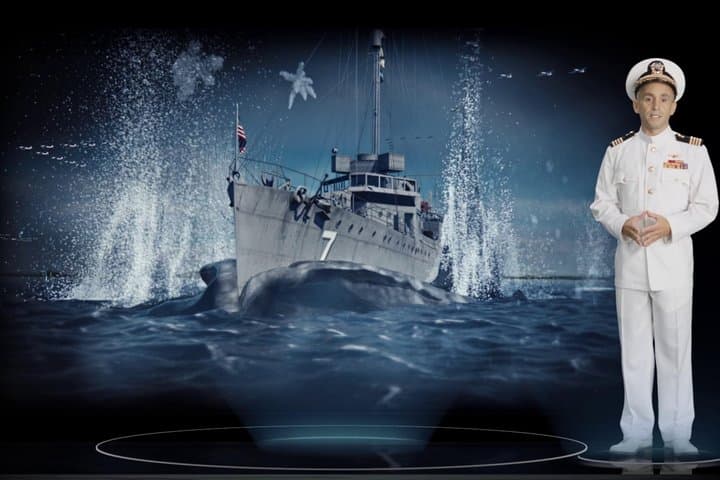
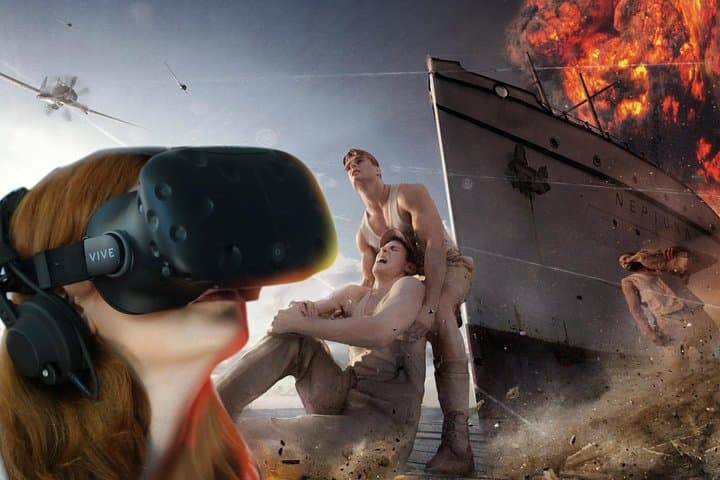
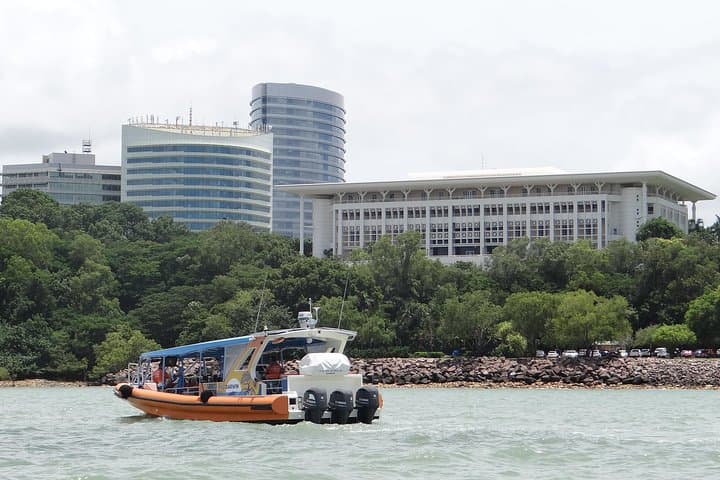
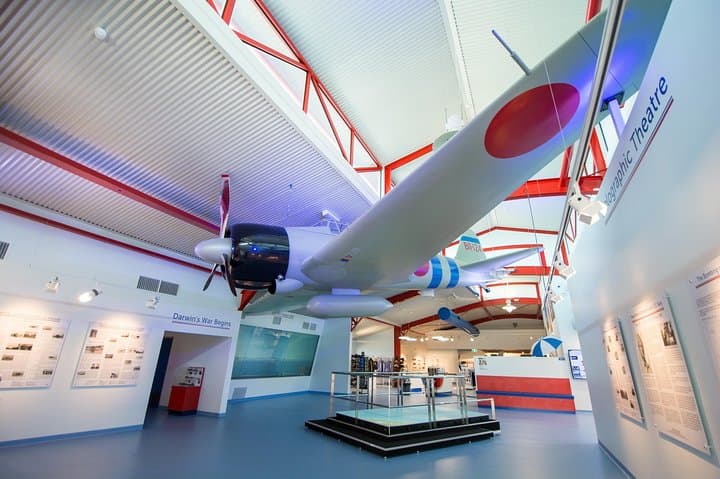
This combined tour stitches two approaches to the same history. On the water, a one-hour cruise follows the route of the 1942 raids, passing wreck sites such as the SS Neptuna and USS Peary, the old flying-boat base at Doctors Gully and wartime gun positions at Emery Point. On land, the RFDS Tourist Facility houses a state-of-the-art virtual reality narrative: life-size holograms, VR reconstructions of bombing runs and replicas of a Zero fighter and the Catalina flying boat give context to the sights outside.
Geology here is quiet — a shallow tropical harbour carved by tides and monsoon cycles, mudflats that shelter fish and birds; culture is contemporary Top End Darwin, a mix of Indigenous presence, wartime legacy and maritime industry.
Practical guidance: plan for about 2–4 hours total; booking returns quickly in the dry season. Bring sun protection, a light waterproof in the wet months and a camera with a polariser for glare. Arrive early to explore the alfresco food halls near the wharf; accessibility is generally good but check mobility needs in advance. The combo balances evocative storytelling with clear logistics — an accessible, informative way to stand where history met the sea.
easy.
2–4 hours.
Suitable for most fitness levels; minimal walking and short boarding steps required
Meet at Stokes Hill Wharf / RFDS Tourist Facility in the Darwin Waterfront precinct; signage and staff will direct you to the boarding area.
Most vessels have boarding steps; contact the operator ahead of time to confirm specific accessibility arrangements and assistance options.
Yes—children are welcome but must be accompanied by an adult; infants are required to sit on a lap during the cruise.
The tour permits cancellations for bad weather; you can cancel for a full refund if done at least 24 hours before departure, or contact the operator about rescheduling.
Darwin was bombed by Japanese forces on 19 February 1942 in the largest single attack on Australian soil; the harbour still contains wrecks and sites that mark that day.
The harbour supports sensitive marine and bird habitats—stick to marked walkways, avoid feeding wildlife and dispose of litter to reduce marine pollution.
Sea Darwin-Sea Tiwi operates guided outdoor trips and adventures with an emphasis on safety, stewardship, and memorable experiences.
The harbour opens like a photograph you can walk into: corrugated tin oil tanks hunkered at the water’s edge, pearling luggers bobbing with a slow insistence, and stainless-steel gun emplacements pointing toward the horizon. On a morning at Stokes Hill Wharf the tide pulls at the pylons and the harbour dares you to read its wartime scars.
The harbour opens like a photograph you can walk into: corrugated tin oil tanks hunkered at the water’s edge, pearling luggers bobbing with a slow insistence, and stainless-steel gun emplacements pointing toward the horizon. On a morning at Stokes Hill Wharf the tide pulls at the pylons and the harbour dares you to read its wartime scars.
This combined tour stitches two approaches to the same history. On the water, a one-hour cruise follows the route of the 1942 raids, passing wreck sites such as the SS Neptuna and USS Peary, the old flying-boat base at Doctors Gully and wartime gun positions at Emery Point. On land, the RFDS Tourist Facility houses a state-of-the-art virtual reality narrative: life-size holograms, VR reconstructions of bombing runs and replicas of a Zero fighter and the Catalina flying boat give context to the sights outside.
Geology here is quiet — a shallow tropical harbour carved by tides and monsoon cycles, mudflats that shelter fish and birds; culture is contemporary Top End Darwin, a mix of Indigenous presence, wartime legacy and maritime industry.
Practical guidance: plan for about 2–4 hours total; booking returns quickly in the dry season. Bring sun protection, a light waterproof in the wet months and a camera with a polariser for glare. Arrive early to explore the alfresco food halls near the wharf; accessibility is generally good but check mobility needs in advance. The combo balances evocative storytelling with clear logistics — an accessible, informative way to stand where history met the sea.