THE ADVENTURE COLLECTIVE® · Independent discovery and booking for outdoor travel

Taste your way across three neighborhoods of Mumbai with an expert guide, a short local train ride and more than 15 tastings. Expect crispy papads, dosas, chaat and stories from the city’s Parsi and market traditions.
Taste your way across three neighborhoods of Mumbai with an expert guide, a short local train ride and more than 15 tastings. Expect crispy papads, dosas, chaat and stories from the city’s Parsi and market traditions.
The air tastes of spice and coal as the late-afternoon sun slides behind colonial facades; a commuter train brakes with a hiss and a guide calls you forward. This is Mumbai in motion — a city where the rhythm of daily life is measured in chai cups, rickshaw horns and the click of dosa batter on a hot griddle.
Verified experiences and guided adventures in the surrounding area.
Operated by A Chef's Tour · Mumbai, Maharashtra
The air tastes of spice and coal as the late-afternoon sun slides behind colonial facades; a commuter train brakes with a hiss and a guide calls you forward. This is Mumbai in motion — a city where the rhythm of daily life is measured in chai cups, rickshaw horns and the click of dosa batter on a hot griddle.
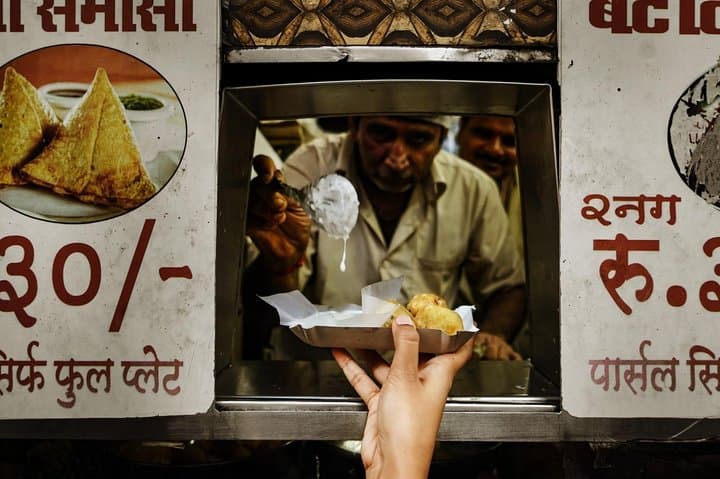
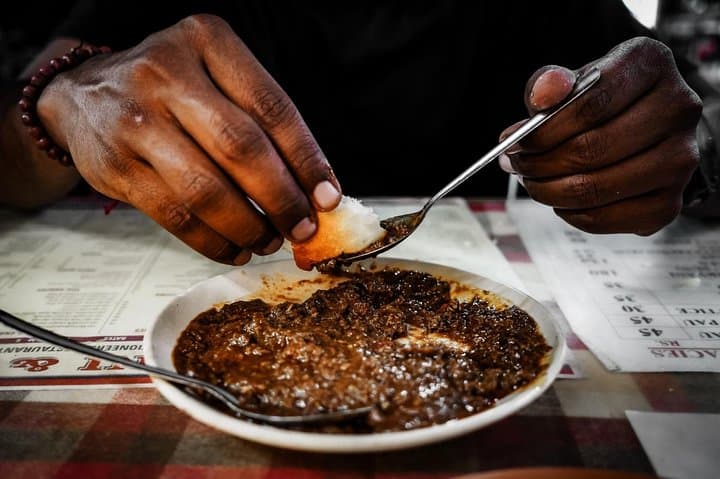
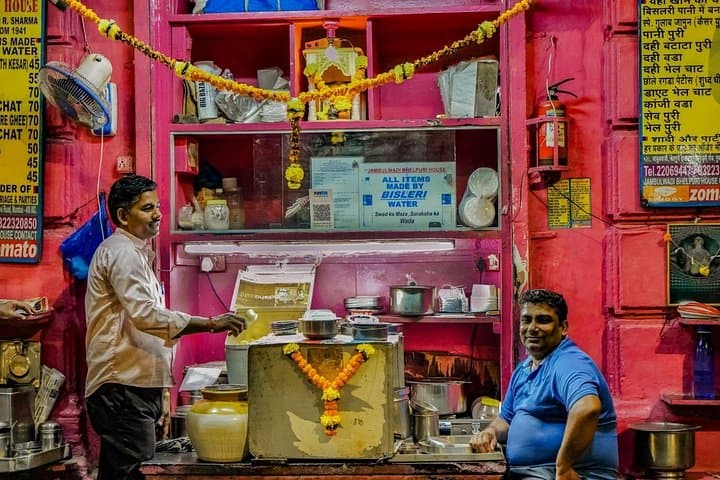
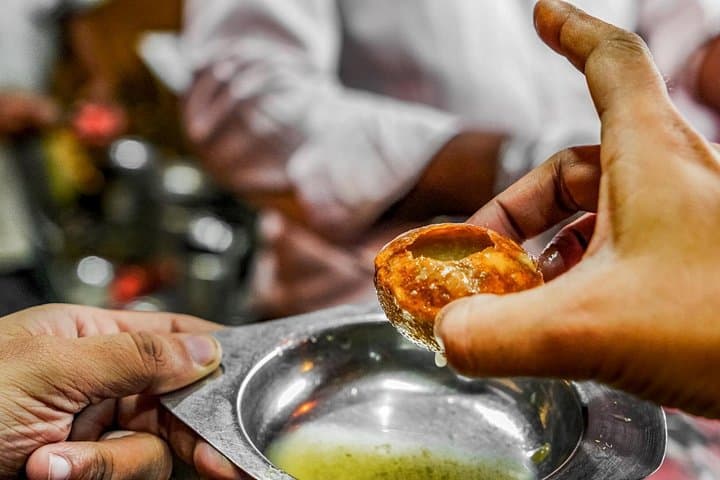
The Bombay Express tour threads through three distinct districts — starting near the Fort/Churchgate precinct, passing through the living lanes of old Parsi neighborhoods, and weaving into the khau galli alleys of Zaveri Bazaar and Mangaldas Market. Along the way you’ll sample more than 15 tastings: papads crisped over charcoal, chutney‑spiked pudla, cheese‑dripping dosas, slow‑cooked kheema and old‑world sweets. The short local train ride is part anthropological snapshot, part logistics — trains have kept Mumbai moving since the 19th century and riding them is a direct way to see how food and life intersect.
Culturally, the tour touches on Mumbai’s Parsi heritage, its mercantile bazaar economy and colonial-era public spaces; geologically the city’s flat coastal plain opens toward the Arabian Sea, concentrating markets and neighborhoods along transport lines. Expect bustling lanes, close quarters, and sensory overload in the best way.
Practical notes: dress for walking and quick temperature change, carry small cash for extras, and plan for crowd noise and street smells. The operator provides tastings, water and train tickets; bring a compact umbrella in monsoon season, a reusable bottle, and comfortable shoes. If you move slowly, tell your guide — the route can be tailored within the small‑group limit of eight.
moderate.
4 hours.
Moderate — able to walk and stand for multiple short segments and navigate crowded streets.
Yes — the ride is short and guided; your tour includes tickets and the guide navigates boarding and alighting. Stay with the group and follow instructions during busy boarding times.
Yes — the tour explicitly notes suitability for vegetarians and pescatarians and includes many vegetarian tastings; contact the operator for strict dietary restrictions or allergies.
Expect moderate walking spread across the four-hour tour with several short stops; participants should be comfortable standing and moving through crowded alleys.
Tours run rain or shine; bring an umbrella. The operator’s cancellation policy allows a full refund if cancelled at least 24 hours before departure.
The route passes neighborhoods shaped by Mumbai’s trading past and the Parsi community that arrived from Persia in the 18th–19th centuries, leaving a distinct culinary imprint.
Street-food culture generates waste and high foot traffic — minimize single‑use plastics, use provided water wisely, and tip vendors fairly to support local livelihoods.
A Chef's Tour operates guided outdoor trips and adventures with an emphasis on safety, stewardship, and memorable experiences.
The air tastes of spice and coal as the late-afternoon sun slides behind colonial facades; a commuter train brakes with a hiss and a guide calls you forward. This is Mumbai in motion — a city where the rhythm of daily life is measured in chai cups, rickshaw horns and the click of dosa batter on a hot griddle.
The air tastes of spice and coal as the late-afternoon sun slides behind colonial facades; a commuter train brakes with a hiss and a guide calls you forward. This is Mumbai in motion — a city where the rhythm of daily life is measured in chai cups, rickshaw horns and the click of dosa batter on a hot griddle.
The Bombay Express tour threads through three distinct districts — starting near the Fort/Churchgate precinct, passing through the living lanes of old Parsi neighborhoods, and weaving into the khau galli alleys of Zaveri Bazaar and Mangaldas Market. Along the way you’ll sample more than 15 tastings: papads crisped over charcoal, chutney‑spiked pudla, cheese‑dripping dosas, slow‑cooked kheema and old‑world sweets. The short local train ride is part anthropological snapshot, part logistics — trains have kept Mumbai moving since the 19th century and riding them is a direct way to see how food and life intersect.
Culturally, the tour touches on Mumbai’s Parsi heritage, its mercantile bazaar economy and colonial-era public spaces; geologically the city’s flat coastal plain opens toward the Arabian Sea, concentrating markets and neighborhoods along transport lines. Expect bustling lanes, close quarters, and sensory overload in the best way.
Practical notes: dress for walking and quick temperature change, carry small cash for extras, and plan for crowd noise and street smells. The operator provides tastings, water and train tickets; bring a compact umbrella in monsoon season, a reusable bottle, and comfortable shoes. If you move slowly, tell your guide — the route can be tailored within the small‑group limit of eight.