THE ADVENTURE COLLECTIVE® · Independent discovery and booking for outdoor travel

Experience high-energy traditional dances and jaw-dropping acrobatics at Bomas of Kenya, a living museum on Madadi Road that showcases the music, homesteads, and daily life of Kenya’s ethnic groups. Tours from Nairobi usually include pickup, entry, and a guided walkthrough of reconstructed village compounds.
Experience high-energy traditional dances and jaw-dropping acrobatics at Bomas of Kenya, a living museum on Madadi Road that showcases the music, homesteads, and daily life of Kenya’s ethnic groups. Tours from Nairobi usually include pickup, entry, and a guided walkthrough of reconstructed village compounds.
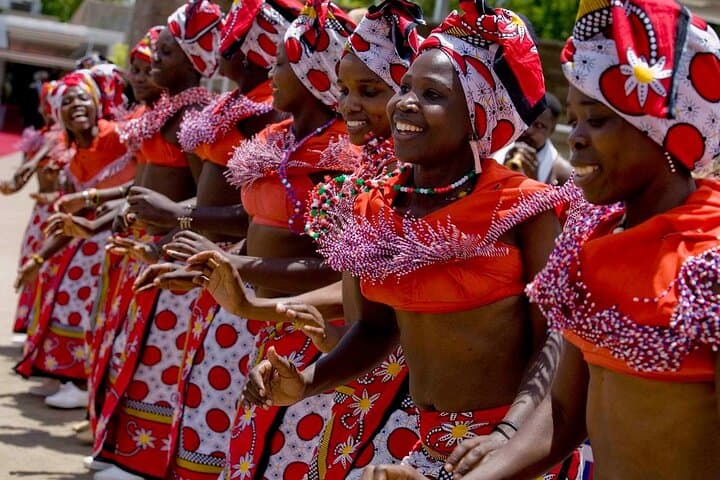
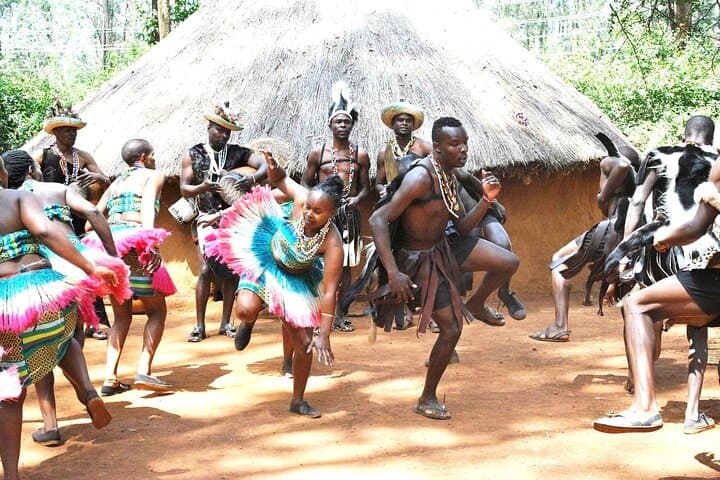
You step from Nairobi traffic onto Madadi Road and into a wide open arena where drums begin before you find your seat. The air is warm, the dust holds the echo of stomps, and performers move with a practiced, kinetic clarity—songs and acrobatics that pull the stories of Kenya's many communities into one bright hour.
Verified experiences and guided adventures in the surrounding area.
Operated by Sabilom Kenya Tours & Safaris · Nairobi, Nairobi County
You step from Nairobi traffic onto Madadi Road and into a wide open arena where drums begin before you find your seat. The air is warm, the dust holds the echo of stomps, and performers move with a practiced, kinetic clarity—songs and acrobatics that pull the stories of Kenya's many communities into one bright hour.
Bomas of Kenya was created in the 1970s as a living museum to preserve traditional homesteads and performance arts. The site spreads across acres of reconstructed village compounds—mud huts, thatched roofs and wooden carvings that reflect ethnic styles rather than geological features. Performances rotate through dances from coastal Swahili groups to highland Kikuyu and pastoral Maasai, giving a compact cultural survey of Kenya’s 42 ethnic communities. Local craftspeople sell beadwork and textiles near the arena, and children are often seen racing along paths between homesteads.
Practicalities are straightforward: most shared tours include hotel pickup in Nairobi and a roughly 3–4 hour window on-site, with admission and a guide typically included. Wear comfortable shoes for walking uneven paths, bring sun protection and a small amount of cash for crafts. Shows pack the arena—arrive early for better seats and to explore the homestead replicas before the performance. Photography is usually allowed but be respectful of performers and signage; tipping local artists for photos is common practice.
This visit is an accessible cultural outing that mixes live performance with hands-on glimpses into daily life across Kenya’s ethnic groups—good for families, first-time visitors, and anyone wanting a compact cultural primer outside of the city center.
easy.
3–4 hours.
Suitable for all fitness levels; requires short, flat walks and standing during performances
Most shared tours include hotel pickup and drop-off; confirm pickup details and timing with your operator at booking.
Performance blocks typically last around 60–90 minutes within a 3–4 hour tour window that includes exploring the compound.
Yes—reconstructed traditional homesteads and mud huts are accessible for walking and photos, though some areas may be roped off for preservation.
Yes—children are welcome and often enjoy the music and acrobatics; there’s open space for restless kids, but supervise near uneven surfaces.
Bomas of Kenya was established in the 1970s as a cultural centre to preserve and present the traditional homesteads, music and dance of Kenya’s many ethnic groups.
The site focuses on cultural preservation and responsible tourism; visitors are encouraged to follow signage, avoid touching fragile artifacts, and support local artisans directly.
Sabilom Kenya Tours & Safaris operates guided outdoor trips and adventures with an emphasis on safety, stewardship, and memorable experiences.


You step from Nairobi traffic onto Madadi Road and into a wide open arena where drums begin before you find your seat. The air is warm, the dust holds the echo of stomps, and performers move with a practiced, kinetic clarity—songs and acrobatics that pull the stories of Kenya's many communities into one bright hour.
You step from Nairobi traffic onto Madadi Road and into a wide open arena where drums begin before you find your seat. The air is warm, the dust holds the echo of stomps, and performers move with a practiced, kinetic clarity—songs and acrobatics that pull the stories of Kenya's many communities into one bright hour.
Bomas of Kenya was created in the 1970s as a living museum to preserve traditional homesteads and performance arts. The site spreads across acres of reconstructed village compounds—mud huts, thatched roofs and wooden carvings that reflect ethnic styles rather than geological features. Performances rotate through dances from coastal Swahili groups to highland Kikuyu and pastoral Maasai, giving a compact cultural survey of Kenya’s 42 ethnic communities. Local craftspeople sell beadwork and textiles near the arena, and children are often seen racing along paths between homesteads.
Practicalities are straightforward: most shared tours include hotel pickup in Nairobi and a roughly 3–4 hour window on-site, with admission and a guide typically included. Wear comfortable shoes for walking uneven paths, bring sun protection and a small amount of cash for crafts. Shows pack the arena—arrive early for better seats and to explore the homestead replicas before the performance. Photography is usually allowed but be respectful of performers and signage; tipping local artists for photos is common practice.
This visit is an accessible cultural outing that mixes live performance with hands-on glimpses into daily life across Kenya’s ethnic groups—good for families, first-time visitors, and anyone wanting a compact cultural primer outside of the city center.