THE ADVENTURE COLLECTIVE® · Independent discovery and booking for outdoor travel

Step off Nairobi’s streets and into a living showcase of Kenya’s ethnic dances at Bomas — an energetic two-hour performance often paired with a Carnivore lunch. This half-day tour includes hotel pickup, admission and a guided look at recreated homesteads.
Step off Nairobi’s streets and into a living showcase of Kenya’s ethnic dances at Bomas — an energetic two-hour performance often paired with a Carnivore lunch. This half-day tour includes hotel pickup, admission and a guided look at recreated homesteads.
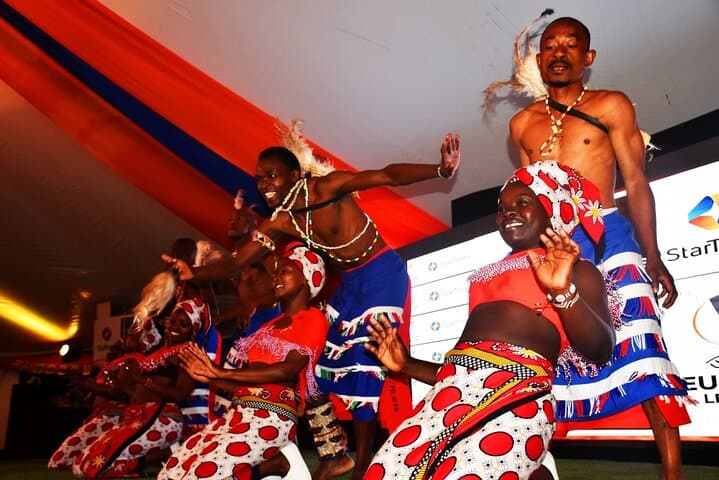
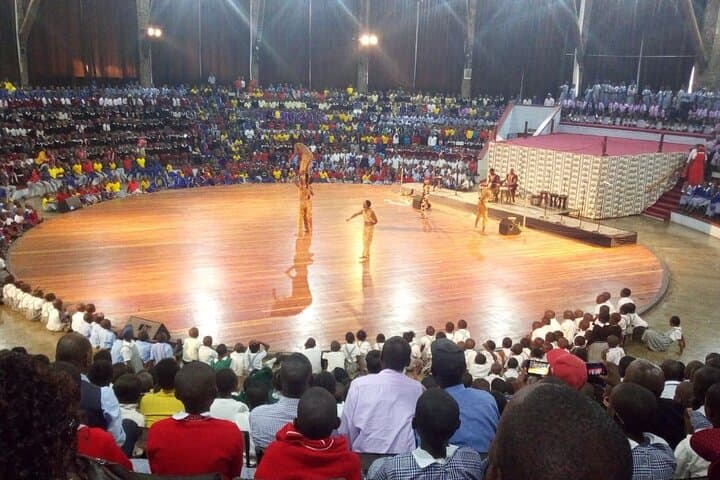
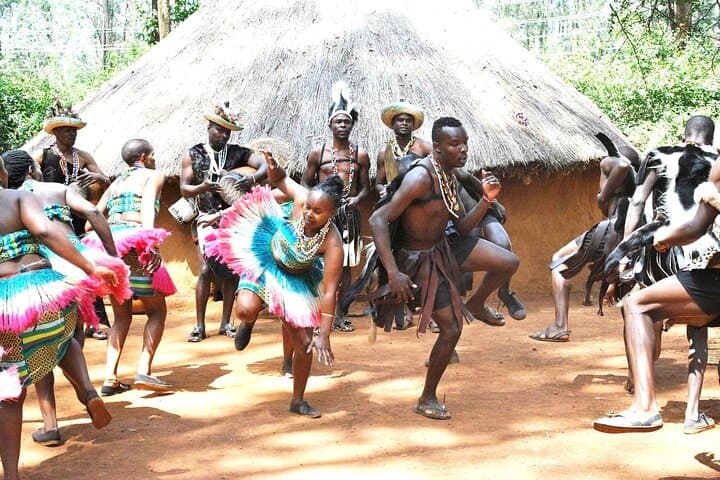
A late-afternoon Nairobi road unwinds toward Lang’ata: acacia silhouettes against a highland sky, the rumble of a minibus, and then the pulse of drums pulling you off the tarmac and into a ring of color. At Bomas of Kenya, performers step into the circle like weather — sudden, rhythmic, and demanding attention. The show moves through song, costume and choreography representing many of Kenya’s ethnic groups; each dance is an argument in rhythm, the drums daring you to keep still.
Verified experiences and guided adventures in the surrounding area.
Operated by Shagami Kenya Tours and Safaris · Nairobi, Nairobi County
A late-afternoon Nairobi road unwinds toward Lang’ata: acacia silhouettes against a highland sky, the rumble of a minibus, and then the pulse of drums pulling you off the tarmac and into a ring of color. At Bomas of Kenya, performers step into the circle like weather — sudden, rhythmic, and demanding attention. The show moves through song, costume and choreography representing many of Kenya’s ethnic groups; each dance is an argument in rhythm, the drums daring you to keep still.
Bomas was created to preserve and present community homesteads and performance traditions. The venue recreates traditional bomas (homesteads) for multiple tribes and sits close to Nairobi’s volcanic highland soils and grassland edge that once supported seasonal cattle routes. Cultural stewards maintain many of the costumes and instruments used in performances, and the nearby Carnivore restaurant continues Nairobi’s modern dining legacy with an often-discussed meat feast.
Expect about two hours of performance within a half-day outing (hotel pickup, performance, village walk and optional Carnivore lunch). Practicalities: wear comfortable shoes for uneven grounds, bring a layer — Nairobi sits near 1,700–1,800 m elevation and evenings cool — and keep small bills for craft stalls and tips. Photography is welcomed but ask before close-up shots of performers. The experience is family-friendly, largely accessible, and suited to travelers wanting an economical cultural immersion without leaving the city. Arrive with curiosity, respect the performers’ space, and leave with new rhythms in your head.
easy.
3–4 hours.
Minimal walking on mostly level but sometimes uneven grounds; suitable for most fitness levels.
Yes—hotel pickup and drop-off in Nairobi are included as part of the tour.
Yes—entry to the Bomas Cultural Dance show is included in the tour price.
The performance portion is typically about 90–120 minutes, within a half-day (approximately 3–4 hour) tour.
The amphitheatre has tiered seating and limited accessibility; contact the operator ahead of booking to confirm specific assistance needs.
Bomas of Kenya opened in the early 1970s to conserve and display Kenya’s ethnic homesteads and performance traditions; 'boma' means an enclosed homestead in Swahili.
Support local performers and vendors directly, avoid single-use plastics during the visit, and don’t feed wildlife—urban wildlife becomes dependent or aggressive when fed.
Shagami Kenya Tours and Safaris operates guided outdoor trips and adventures with an emphasis on safety, stewardship, and memorable experiences.

A late-afternoon Nairobi road unwinds toward Lang’ata: acacia silhouettes against a highland sky, the rumble of a minibus, and then the pulse of drums pulling you off the tarmac and into a ring of color. At Bomas of Kenya, performers step into the circle like weather — sudden, rhythmic, and demanding attention. The show moves through song, costume and choreography representing many of Kenya’s ethnic groups; each dance is an argument in rhythm, the drums daring you to keep still.
A late-afternoon Nairobi road unwinds toward Lang’ata: acacia silhouettes against a highland sky, the rumble of a minibus, and then the pulse of drums pulling you off the tarmac and into a ring of color. At Bomas of Kenya, performers step into the circle like weather — sudden, rhythmic, and demanding attention. The show moves through song, costume and choreography representing many of Kenya’s ethnic groups; each dance is an argument in rhythm, the drums daring you to keep still.
Bomas was created to preserve and present community homesteads and performance traditions. The venue recreates traditional bomas (homesteads) for multiple tribes and sits close to Nairobi’s volcanic highland soils and grassland edge that once supported seasonal cattle routes. Cultural stewards maintain many of the costumes and instruments used in performances, and the nearby Carnivore restaurant continues Nairobi’s modern dining legacy with an often-discussed meat feast.
Expect about two hours of performance within a half-day outing (hotel pickup, performance, village walk and optional Carnivore lunch). Practicalities: wear comfortable shoes for uneven grounds, bring a layer — Nairobi sits near 1,700–1,800 m elevation and evenings cool — and keep small bills for craft stalls and tips. Photography is welcomed but ask before close-up shots of performers. The experience is family-friendly, largely accessible, and suited to travelers wanting an economical cultural immersion without leaving the city. Arrive with curiosity, respect the performers’ space, and leave with new rhythms in your head.