THE ADVENTURE COLLECTIVE® · Independent discovery and booking for outdoor travel

A private day trip from Rome that pairs Bomarzo’s uncanny 16th‑century sculptures with the cliff‑top streets of Civita di Bagnoregio. Expect two focused guided visits, a scenic drive through Lazio and steep walking on a pedestrian bridge into Civita.
A private day trip from Rome that pairs Bomarzo’s uncanny 16th‑century sculptures with the cliff‑top streets of Civita di Bagnoregio. Expect two focused guided visits, a scenic drive through Lazio and steep walking on a pedestrian bridge into Civita.
You step out of the air‑conditioned minivan and the countryside of northern Lazio opens like a slow film—olive trees, clipped vineyards and low tuff cliffs that smell faintly of dust and thyme. The day unfurls between two very different spectacles: the surreal stone beasts of Bomarzo’s Parco dei Mostri and the precarious, wind‑nipped streets of Civita di Bagnoregio, the so‑called “dying city.”
Verified experiences and guided adventures in the surrounding area.
Operated by Green Coppola Driver · Civita di Bagnoregio, Lazio
You step out of the air‑conditioned minivan and the countryside of northern Lazio opens like a slow film—olive trees, clipped vineyards and low tuff cliffs that smell faintly of dust and thyme. The day unfurls between two very different spectacles: the surreal stone beasts of Bomarzo’s Parco dei Mostri and the precarious, wind‑nipped streets of Civita di Bagnoregio, the so‑called “dying city.”
Bomarzo was fashioned in the mid‑1500s by Prince Pier Francesco Orsini as an unsettling garden of carved giants, warped houses and mouths that gape like stage sets; Dalí and later artists found the place irresistible. Civita sits atop a narrow tuff spur carved by millennia of erosion—its bridges and alleys reveal layered geology and a medieval street plan that feels like walking through a living map.
Culturally the route blends Renaissance eccentricity and rural Lazio life: small trattorie serve regional pastas and local wines, artisans sell ceramics, and the quiet pace of the villages resists mass tourism.
Practical side: expect a full day (roughly 9–10 hours round trip from Rome), two guided stops of about two hours each, and short, steep walking—Civita is only reachable by a long pedestrian bridge that climbs steadily. Wear sturdy walking shoes, bring sun protection and a light layer for wind on the ridge. The private format means your guide can adapt timing and lunch choices, but cash is handy for tiny shops. For photographers, shoot Bomarzo in the soft morning light and Civita at golden hour; both places reward patience and quiet observation.
moderate.
9–10 hours.
Moderate fitness—able to walk on uneven ground and manage a steady uphill bridge; long day but not technical.
This private tour runs about 9–10 hours from Rome and includes private transport, a licensed guide, bottled water, entrance fees to Bomarzo and Civita, and lunch arrangements as described in the booking.
No — access requires crossing a long, steep pedestrian bridge and navigating narrow cobbled streets; visitors with significant mobility issues should consider remaining outside Civita or requesting alternate arrangements.
Entrance fees to both sites are included. Lunch may be arranged but check the booking details—some private tours include lunch while others offer time for you to choose and pay at a local trattoria.
Bomarzo is best in morning light when shadows enhance sculptural details; Civita is most dramatic in late afternoon or golden hour when the tuff warms to amber hues.
Bomarzo’s Parco dei Mostri was commissioned in 1552 by Prince Pier Francesco Orsini; Civita’s medieval origins sit atop volcanic tuff shaped by centuries of erosion.
Civita faces ongoing erosion and visitor pressure—stay on marked paths, avoid littering and favor local businesses to support conservation and maintenance.
Green Coppola Driver operates guided outdoor trips and adventures with an emphasis on safety, stewardship, and memorable experiences.
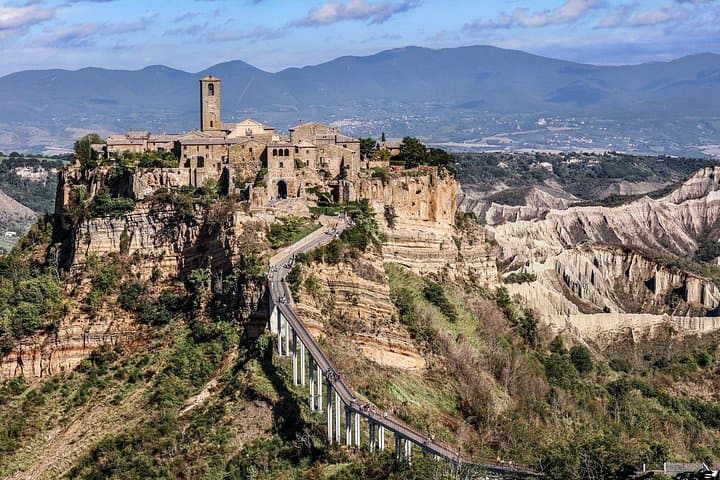
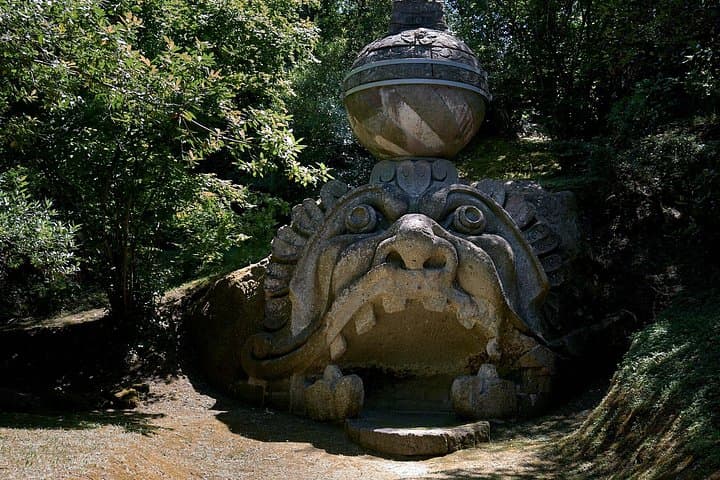
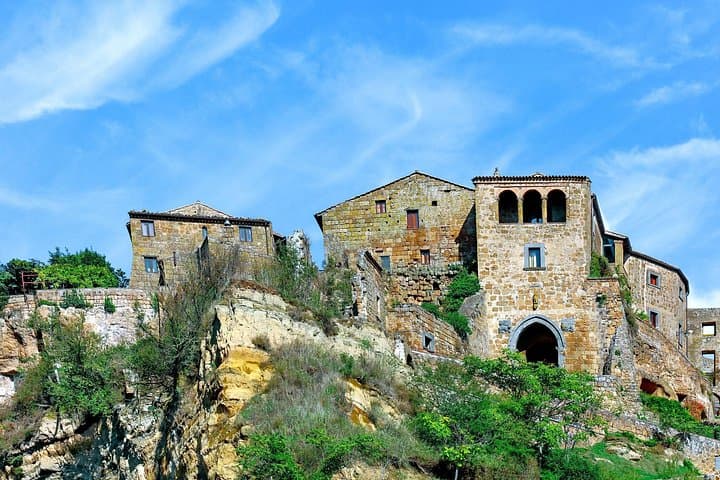
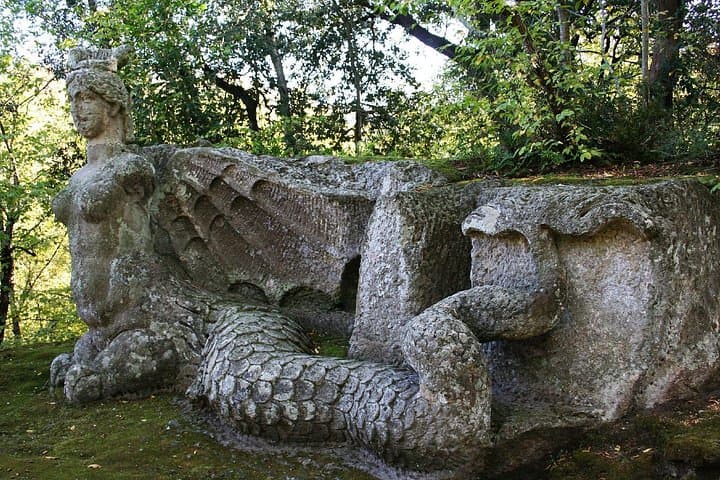
You step out of the air‑conditioned minivan and the countryside of northern Lazio opens like a slow film—olive trees, clipped vineyards and low tuff cliffs that smell faintly of dust and thyme. The day unfurls between two very different spectacles: the surreal stone beasts of Bomarzo’s Parco dei Mostri and the precarious, wind‑nipped streets of Civita di Bagnoregio, the so‑called “dying city.”
You step out of the air‑conditioned minivan and the countryside of northern Lazio opens like a slow film—olive trees, clipped vineyards and low tuff cliffs that smell faintly of dust and thyme. The day unfurls between two very different spectacles: the surreal stone beasts of Bomarzo’s Parco dei Mostri and the precarious, wind‑nipped streets of Civita di Bagnoregio, the so‑called “dying city.”
Bomarzo was fashioned in the mid‑1500s by Prince Pier Francesco Orsini as an unsettling garden of carved giants, warped houses and mouths that gape like stage sets; Dalí and later artists found the place irresistible. Civita sits atop a narrow tuff spur carved by millennia of erosion—its bridges and alleys reveal layered geology and a medieval street plan that feels like walking through a living map.
Culturally the route blends Renaissance eccentricity and rural Lazio life: small trattorie serve regional pastas and local wines, artisans sell ceramics, and the quiet pace of the villages resists mass tourism.
Practical side: expect a full day (roughly 9–10 hours round trip from Rome), two guided stops of about two hours each, and short, steep walking—Civita is only reachable by a long pedestrian bridge that climbs steadily. Wear sturdy walking shoes, bring sun protection and a light layer for wind on the ridge. The private format means your guide can adapt timing and lunch choices, but cash is handy for tiny shops. For photographers, shoot Bomarzo in the soft morning light and Civita at golden hour; both places reward patience and quiet observation.