THE ADVENTURE COLLECTIVE® · Independent discovery and booking for outdoor travel

Taste Bologna through its markets and a private cooking lesson with a native host. Walk stalls, cook traditional pasta and sides, and share a meal in a local apartment for an intimate cultural experience.
Taste Bologna through its markets and a private cooking lesson with a native host. Walk stalls, cook traditional pasta and sides, and share a meal in a local apartment for an intimate cultural experience.
The day begins in an alley off Piazza Maggiore where market cries and the smell of oven-warm bread pull you into Bologna’s living room: the Mercato del Quadrilatero or the Erbe stalls. Guests follow Giovanna—born and raised here—through crates of tomatoes, slabs of prosciutto, and pyramids of Parmigiano, learning which produce defines each season and why certain cuts of pork anchor Bolognese tables.
Verified experiences and guided adventures in the surrounding area.
Operated by Traveling Spoon · Bologna, Emilia-Romagna
The day begins in an alley off Piazza Maggiore where market cries and the smell of oven-warm bread pull you into Bologna’s living room: the Mercato del Quadrilatero or the Erbe stalls. Guests follow Giovanna—born and raised here—through crates of tomatoes, slabs of prosciutto, and pyramids of Parmigiano, learning which produce defines each season and why certain cuts of pork anchor Bolognese tables.
Bologna’s food story is civic and domestic: medieval market grids that shaped trade, porticoes that sheltered conversations, and the slow-cooked ragù that evolved from rural pork and dairy traditions across the Po Valley before meeting egg pasta in town kitchens. Geology matters too—the fertile plains below the Apennines supply the vegetables and grapes that define Emilia-Romagna’s wines.
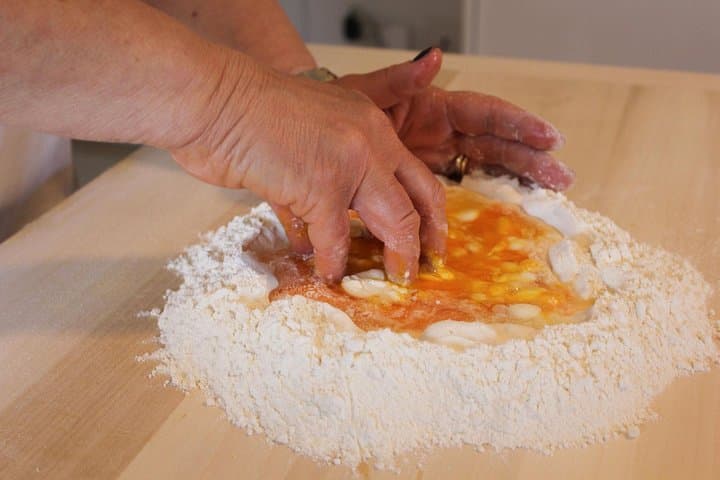
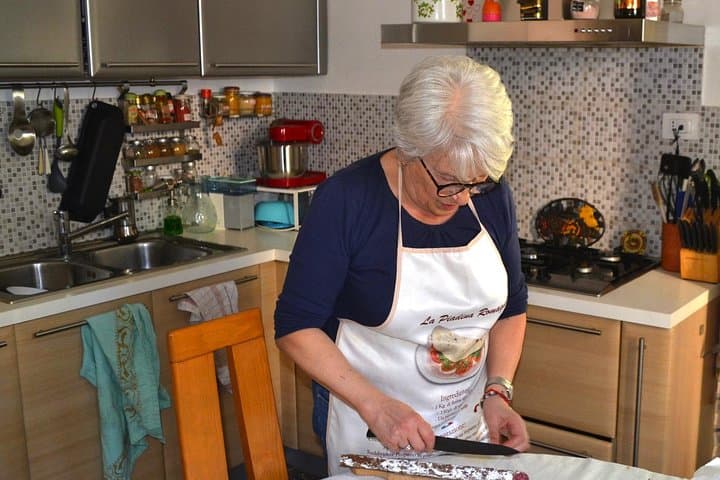
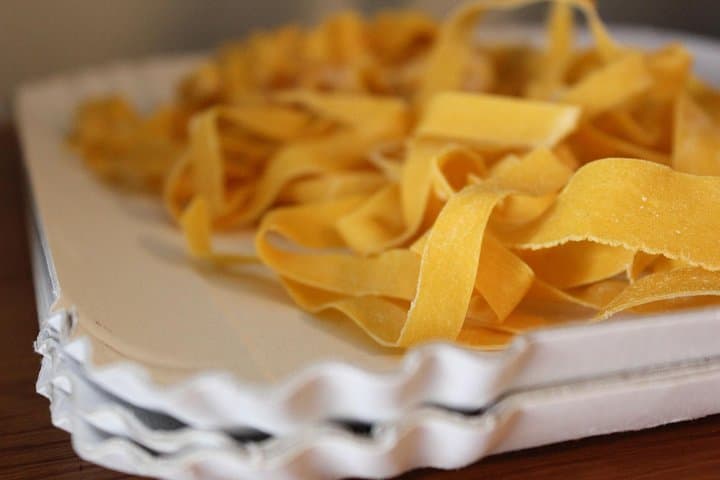
Back in Giovanna’s apartment—an upstairs kitchen without air conditioning but full of family photos—participants roll pasta dough, build a ragù or layered lasagne, and assemble a simple seasonal side and dessert from recipes kept in the family for decades. Conversation is part of the lesson; history and philosophy threads the cooking as readily as olive oil.
Practical guidance: arrive with appetite and modest footwear for a short market walk; plan for roughly four hours from market to meal; notify dietary needs in advance; expect hands-on cooking and communal dining at Giovanna’s table with local wine. This experience is as much cultural exchange as it is a lesson in technique: leave with recipes, new tastes, and a clearer sense of why Bolognese food is rooted in place and season.
easy.
4 hours.
Light: participants should be able to stand for cooking, walk short market distances, and handle basic kitchen tasks.
This is a private booking for your party only; the session is conducted one-on-one with Giovanna and her assistant if needed.
Yes—infants and small children are accommodated, but check in advance and note that the kitchen has typical home constraints and no dedicated childcare.
Local wine (1–2 glasses) is included to accompany the meal; guests may ask for non-alcoholic options when booking.
Yes—notify the host at booking with any allergies or dietary requirements so recipes and ingredients can be adjusted.
Bologna’s market tradition dates to medieval trade routes; the Quadrilatero grew around guild stalls and has shaped local foodways for centuries.
Small family-run kitchens prioritize seasonal, local sourcing; minimize waste by buying only what you need at the market and refusing single-use plastics.
Traveling Spoon operates guided outdoor trips and adventures with an emphasis on safety, stewardship, and memorable experiences.
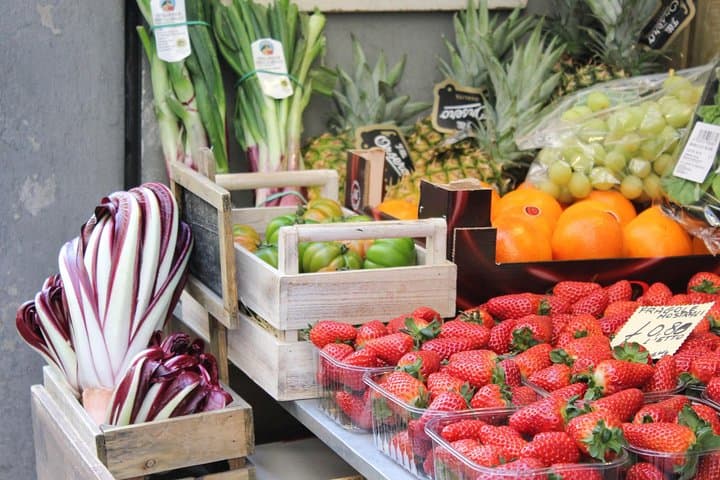
The day begins in an alley off Piazza Maggiore where market cries and the smell of oven-warm bread pull you into Bologna’s living room: the Mercato del Quadrilatero or the Erbe stalls. Guests follow Giovanna—born and raised here—through crates of tomatoes, slabs of prosciutto, and pyramids of Parmigiano, learning which produce defines each season and why certain cuts of pork anchor Bolognese tables.
The day begins in an alley off Piazza Maggiore where market cries and the smell of oven-warm bread pull you into Bologna’s living room: the Mercato del Quadrilatero or the Erbe stalls. Guests follow Giovanna—born and raised here—through crates of tomatoes, slabs of prosciutto, and pyramids of Parmigiano, learning which produce defines each season and why certain cuts of pork anchor Bolognese tables.
Bologna’s food story is civic and domestic: medieval market grids that shaped trade, porticoes that sheltered conversations, and the slow-cooked ragù that evolved from rural pork and dairy traditions across the Po Valley before meeting egg pasta in town kitchens. Geology matters too—the fertile plains below the Apennines supply the vegetables and grapes that define Emilia-Romagna’s wines.
Back in Giovanna’s apartment—an upstairs kitchen without air conditioning but full of family photos—participants roll pasta dough, build a ragù or layered lasagne, and assemble a simple seasonal side and dessert from recipes kept in the family for decades. Conversation is part of the lesson; history and philosophy threads the cooking as readily as olive oil.
Practical guidance: arrive with appetite and modest footwear for a short market walk; plan for roughly four hours from market to meal; notify dietary needs in advance; expect hands-on cooking and communal dining at Giovanna’s table with local wine. This experience is as much cultural exchange as it is a lesson in technique: leave with recipes, new tastes, and a clearer sense of why Bolognese food is rooted in place and season.