THE ADVENTURE COLLECTIVE® · Independent discovery and booking for outdoor travel

Walk Bologna with a local guide to taste tigelle, mortadella and a Bolognese zuppa inglese while uncovering hidden squares and market stories. This two‑hour tour blends savory stops with short history lessons and practical tips for first‑time visitors.
Walk Bologna with a local guide to taste tigelle, mortadella and a Bolognese zuppa inglese while uncovering hidden squares and market stories. This two‑hour tour blends savory stops with short history lessons and practical tips for first‑time visitors.
The cobbles of Bologna feel like a map underfoot: uneven, warm from the sun, and threaded by the city’s long porticoes that narrow and open like chapters. On this two‑hour walk a local guide steers you through winding streets toward markets, small piazzas and the shadow of the Two Towers while the scent of roasted meats and fresh bread follows.
Verified experiences and guided adventures in the surrounding area.
Operated by That's All Local · Bologna, Emilia-Romagna
The cobbles of Bologna feel like a map underfoot: uneven, warm from the sun, and threaded by the city’s long porticoes that narrow and open like chapters. On this two‑hour walk a local guide steers you through winding streets toward markets, small piazzas and the shadow of the Two Towers while the scent of roasted meats and fresh bread follows.
Bologna’s past is visible in its architecture and food. Once a medieval university city, its porticoes were built to expand living space and shelter trade; the surrounding Po Valley plain explains the region’s fertile soils that long produced the hams, cheeses and pork products central to Emilia‑Romagna cuisine. Mortadella, tigelle and a local take on zuppa inglese all speak to centuries of trade, artisan butchery and market culture.
Expect pragmatic pleasures: quick stops at a tigella stand, a mortadella cone in a market alley, and gelato or zuppa inglese to finish. The walking is light but on cobbles and narrow lanes; the pace is conversational and stops are frequent, letting you absorb stories about secret courtyards, family‑run delis, and why Bolognese markets pulse at midday.
Practical guidance: bring comfortable shoes, a refillable bottle and a light jacket for spring rains. Tours run best in the morning to avoid crowds and to catch fresh market offerings; if you have dietary needs tell your guide when booking. This experience is ideal for travelers who want an urban walking tour that pairs local history with direct, flavorful tastings.
easy.
2 hours.
Suitable for most walkers; involves 1–2 miles of easy walking on uneven cobbles
Yes—typical tastings like tigelle, mortadella and a dessert are included as described; additional purchases at markets are optional.
The operator lists the tour as wheelchair accessible; expect some cobbled areas—contact the provider to confirm assistance or adaptations before booking.
Yes—notify special dietary needs when booking so the guide can arrange suitable alternatives where possible.
Full refund available if you cancel at least 24 hours before the tour; check your booking confirmation for details.
Bologna grew as a major medieval university and trading center; its long porticoes were constructed to expand sheltered urban space, while Emilia‑Romagna’s agricultural richness shaped its cured meats and cheeses.
Support small producers at Mercato di Mezzo, avoid single‑use plastics, and follow local guidelines to reduce food waste and protect historic streets.
That's All Local operates guided outdoor trips and adventures with an emphasis on safety, stewardship, and memorable experiences.

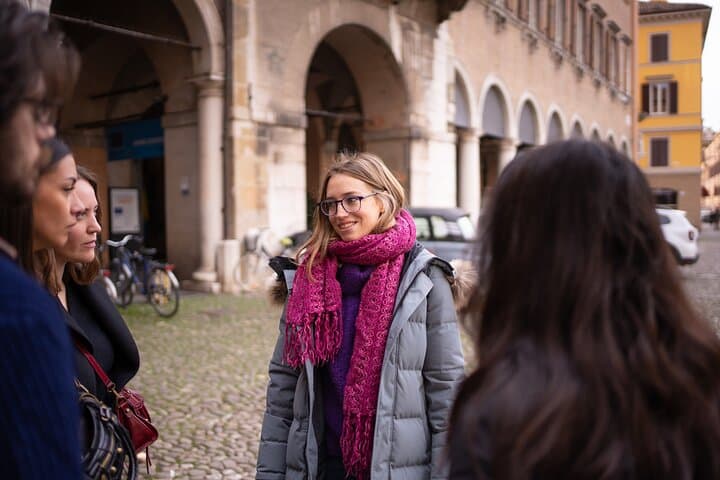


The cobbles of Bologna feel like a map underfoot: uneven, warm from the sun, and threaded by the city’s long porticoes that narrow and open like chapters. On this two‑hour walk a local guide steers you through winding streets toward markets, small piazzas and the shadow of the Two Towers while the scent of roasted meats and fresh bread follows.
The cobbles of Bologna feel like a map underfoot: uneven, warm from the sun, and threaded by the city’s long porticoes that narrow and open like chapters. On this two‑hour walk a local guide steers you through winding streets toward markets, small piazzas and the shadow of the Two Towers while the scent of roasted meats and fresh bread follows.
Bologna’s past is visible in its architecture and food. Once a medieval university city, its porticoes were built to expand living space and shelter trade; the surrounding Po Valley plain explains the region’s fertile soils that long produced the hams, cheeses and pork products central to Emilia‑Romagna cuisine. Mortadella, tigelle and a local take on zuppa inglese all speak to centuries of trade, artisan butchery and market culture.
Expect pragmatic pleasures: quick stops at a tigella stand, a mortadella cone in a market alley, and gelato or zuppa inglese to finish. The walking is light but on cobbles and narrow lanes; the pace is conversational and stops are frequent, letting you absorb stories about secret courtyards, family‑run delis, and why Bolognese markets pulse at midday.
Practical guidance: bring comfortable shoes, a refillable bottle and a light jacket for spring rains. Tours run best in the morning to avoid crowds and to catch fresh market offerings; if you have dietary needs tell your guide when booking. This experience is ideal for travelers who want an urban walking tour that pairs local history with direct, flavorful tastings.