THE ADVENTURE COLLECTIVE® · Independent discovery and booking for outdoor travel

See Bohol’s signature sites in a single day: climb the Chocolate Hills viewpoint, meet nocturnal tarsiers, visit a 18th-century coral‑stone church, and float down a lush river with lunch on board. This one-day private tour packs geology, history and gentle nature into an accessible itinerary.
See Bohol’s signature sites in a single day: climb the Chocolate Hills viewpoint, meet nocturnal tarsiers, visit a 18th-century coral‑stone church, and float down a lush river with lunch on board. This one-day private tour packs geology, history and gentle nature into an accessible itinerary.
You step out of the van onto a ridge of rolling karst mounds; the Chocolate Hills loom like rows of rounded teeth, grass shoulder-high and waiting for the sun to turn them bronze. The day moves at a close, human pace — short walks, one long boat lull, a dozen frames of curious tarsiers peering from the understory.
Verified experiences and guided adventures in the surrounding area.
Operated by Best Guide in Cebu · Carmen, Bohol
You step out of the van onto a ridge of rolling karst mounds; the Chocolate Hills loom like rows of rounded teeth, grass shoulder-high and waiting for the sun to turn them bronze. The day moves at a close, human pace — short walks, one long boat lull, a dozen frames of curious tarsiers peering from the understory.
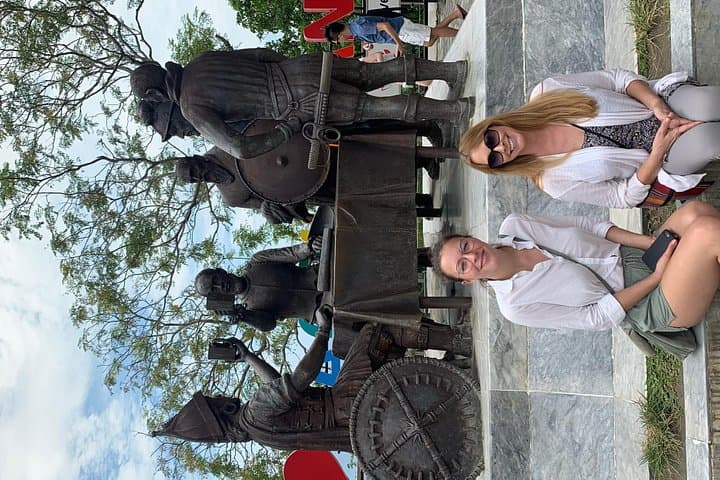
The route threads Spanish colonial history and island geology: Baclayon Church (est. 1727) shows coral-stone masonry from early missions, while the Blood Compact site marks the 16th-century pact between Legazpi and Sikatuna. Geologically the Chocolate Hills are conical karst formations formed of uplifted marine limestone and millennia of erosion; the main viewpoint requires climbing roughly 220 concrete steps (about 50–70 m elevation gain) for panoramic light.
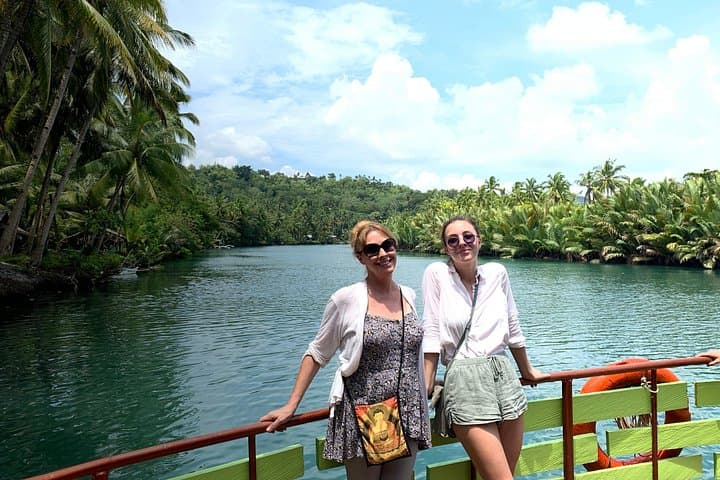
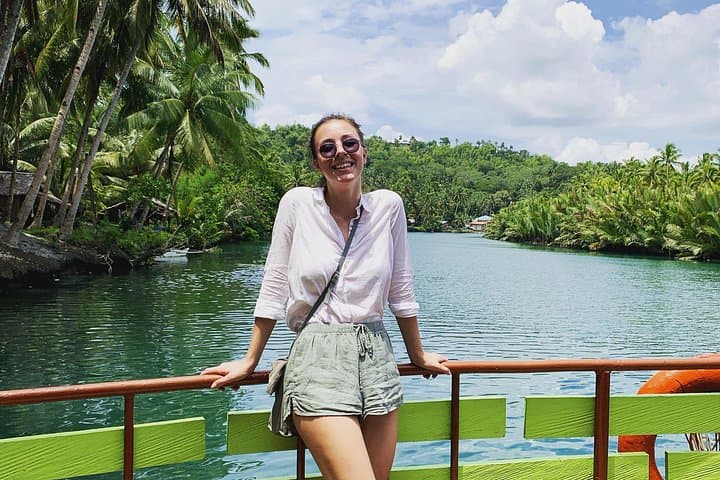
Cultural touches punctuate the ride — a man-made forest tunnel of tall mahogany, a small cultural village where artisans keep traditional crafts, and a river cruise on the Loboc or a similar waterway for lunch and local music. Hinagdanan Cave offers a short descent to an underground lagoon; surfaces are wet and uneven.
Practical guidance: the day is mostly vehicle transfers with frequent short explorations, so comfortable shoes with good grip, sun protection, and insect repellent matter more than technical gear. Carry small cash for admissions or souvenirs, and respect wildlife rules at the tarsier sanctuary (no touching, no flash). Expect an easy 8‑hour day with plenty of photo stops; optional activities like zipline or ATV are extra. Plan for tropical weather — mornings and late afternoons are best for light and cooler temperatures.
easy.
8 hours.
Suitable for most fitness levels; involves short walks and a climb of ~220 steps to the Chocolate Hills viewpoint
The private tour runs about 8 hours, typically with a 9:00 AM hotel pickup and return to hotels in the late afternoon.
Yes—sanctuary rules prohibit touching and flash photography to minimize stress; follow guides' instructions and keep a respectful distance.
The itinerary includes a roughly one‑hour river cruise with a lunch buffet aboard and local music; menus are local and often include rice, fish and vegetable dishes.
Yes, zipline and ATV are optional extras paid on-site or arranged separately and are not included in the standard tour price.
Bohol’s cultural landmarks reflect Spanish colonial influence from the 16th–18th centuries, including coral-stone churches like Baclayon and the historic Blood Compact between Legazpi and Datu Sikatuna.
Tarsier populations are fragile; support accredited sanctuaries, avoid feeding wildlife, and minimize plastic waste during the tour.
Best Guide in Cebu operates guided outdoor trips and adventures with an emphasis on safety, stewardship, and memorable experiences.
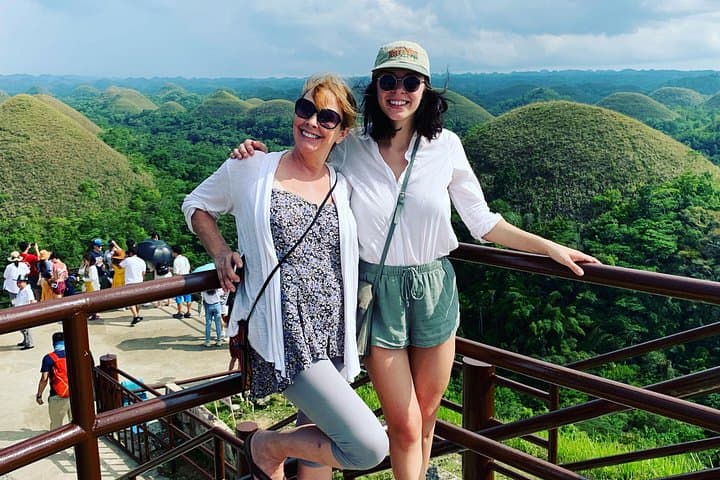
You step out of the van onto a ridge of rolling karst mounds; the Chocolate Hills loom like rows of rounded teeth, grass shoulder-high and waiting for the sun to turn them bronze. The day moves at a close, human pace — short walks, one long boat lull, a dozen frames of curious tarsiers peering from the understory.
You step out of the van onto a ridge of rolling karst mounds; the Chocolate Hills loom like rows of rounded teeth, grass shoulder-high and waiting for the sun to turn them bronze. The day moves at a close, human pace — short walks, one long boat lull, a dozen frames of curious tarsiers peering from the understory.
The route threads Spanish colonial history and island geology: Baclayon Church (est. 1727) shows coral-stone masonry from early missions, while the Blood Compact site marks the 16th-century pact between Legazpi and Sikatuna. Geologically the Chocolate Hills are conical karst formations formed of uplifted marine limestone and millennia of erosion; the main viewpoint requires climbing roughly 220 concrete steps (about 50–70 m elevation gain) for panoramic light.
Cultural touches punctuate the ride — a man-made forest tunnel of tall mahogany, a small cultural village where artisans keep traditional crafts, and a river cruise on the Loboc or a similar waterway for lunch and local music. Hinagdanan Cave offers a short descent to an underground lagoon; surfaces are wet and uneven.
Practical guidance: the day is mostly vehicle transfers with frequent short explorations, so comfortable shoes with good grip, sun protection, and insect repellent matter more than technical gear. Carry small cash for admissions or souvenirs, and respect wildlife rules at the tarsier sanctuary (no touching, no flash). Expect an easy 8‑hour day with plenty of photo stops; optional activities like zipline or ATV are extra. Plan for tropical weather — mornings and late afternoons are best for light and cooler temperatures.