THE ADVENTURE COLLECTIVE® · Independent discovery and booking for outdoor travel

Combine hands-on cacao processing with a climb to the Chocolate Hills viewpoint and a quiet visit to a tarsier sanctuary. This 4–5 hour private tour from Tagbilaran blends geology, local chocolate craft, and wildlife viewing.
Combine hands-on cacao processing with a climb to the Chocolate Hills viewpoint and a quiet visit to a tarsier sanctuary. This 4–5 hour private tour from Tagbilaran blends geology, local chocolate craft, and wildlife viewing.
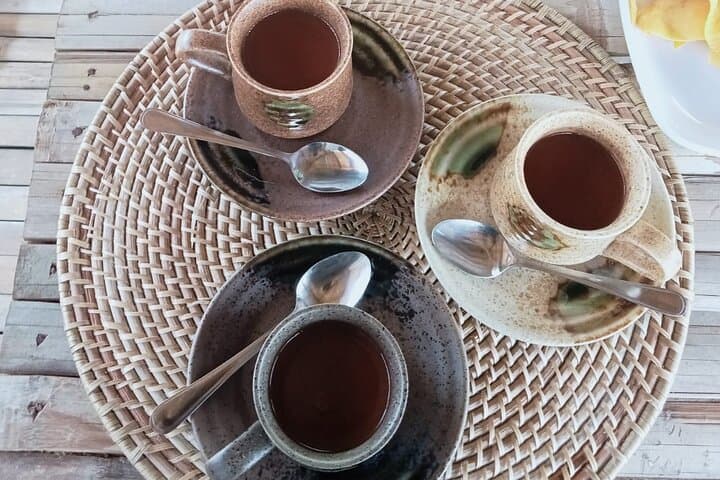
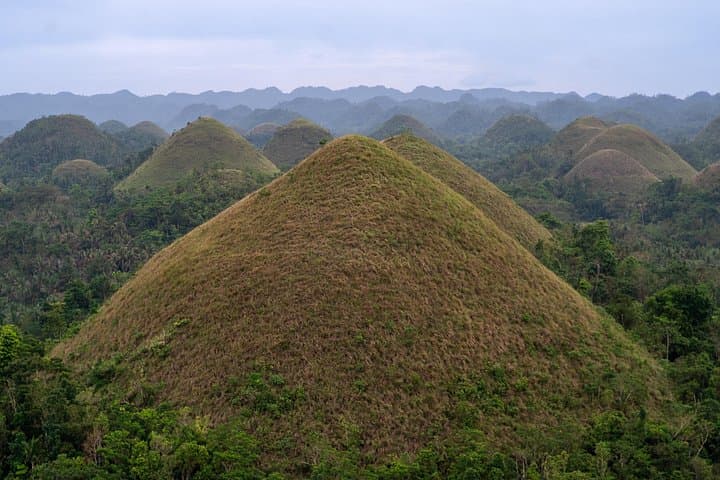
Morning light carves the Chocolate Hills into rows of shadow and sun as the van winds out of Tagbilaran toward rolling, grass-topped cones. You step onto a compacted viewing platform, the scent of tropical earth and fresh cacao drifting in from a nearby family-run farm; behind the hills, the forest seems to hold its breath as a tarsier peeks from a shadowed fork.
Verified experiences and guided adventures in the surrounding area.
Operated by Ecotravelers Travel & Tours · Tagbilaran, Bohol
Morning light carves the Chocolate Hills into rows of shadow and sun as the van winds out of Tagbilaran toward rolling, grass-topped cones. You step onto a compacted viewing platform, the scent of tropical earth and fresh cacao drifting in from a nearby family-run farm; behind the hills, the forest seems to hold its breath as a tarsier peeks from a shadowed fork.
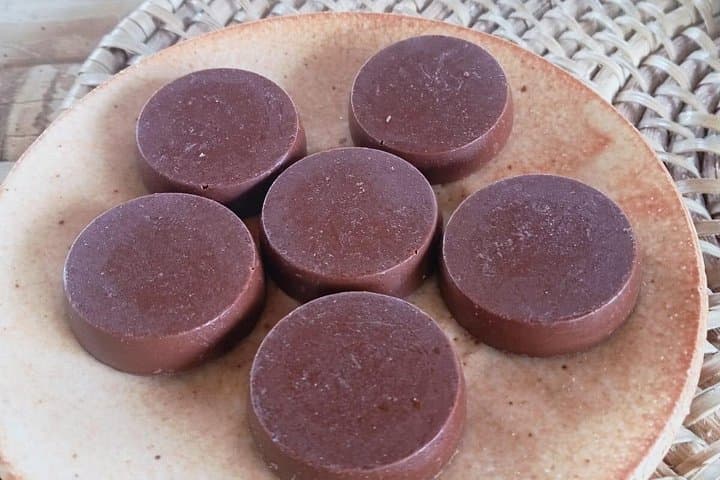
The route strings together three distinct chapters of Bohol: a geological oddity, a living agricultural craft, and one of the world’s smallest primates. The Chocolate Hills are weathered karst — uplifted marine limestone sculpted by millennia of rain and erosion — forming hundreds of near-uniform mounds across the plain. Nearby cacao plots reflect Bohol’s agricultural history and the island’s recent revival of artisanal chocolate production. The tarsier sanctuary preserves one of the Philippines’ most fragile species; cultural attitudes and conservation efforts here shape how visitors approach wildlife.
Expect 4–5 hours door-to-door, with roughly 30–60 minutes’ driving between stops. Terrain is mixed: paved roads, short dirt tracks at the farm, and a brief uphill stair to the main Chocolate Hills viewpoint with modest elevation gain. The tarsier area uses low-impact boardwalks; strict quiet and no-flash rules apply.
Practical guidance: start early to avoid heat and crowds, carry water and sunscreen, wear grippy shoes for the short climb, and bring small local currency for souvenirs and snacks. Respect sanctuary rules — quiet observation protects the animals and keeps the experience authentic.
moderate.
4–5 hours.
Moderate fitness; able to handle short uphill walks, several minutes of standing, and brief transfers by vehicle.
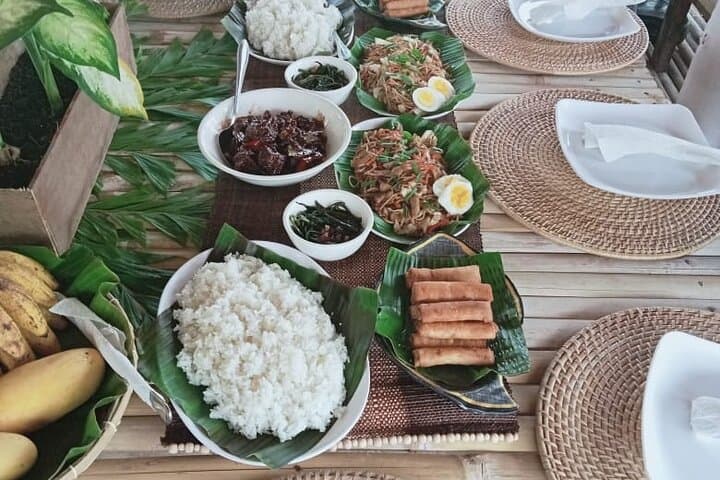
The tour runs about 4–5 hours and typically includes transport in an air-conditioned vehicle, admission to sites specified, a hands-on chocolate-making session, and brunch as listed in the itinerary.
No—tarsiers are fragile and the sanctuary forbids handling; visitors observe quietly from designated paths to minimize stress to the animals.
Yes, but children must be supervised at all times. The tour involves short walks and some stairs; older travelers should be comfortable with brief uphill sections and vehicle transfers.
Tours can be canceled for severe weather; bring sun protection during dry months and a rain jacket during the monsoon season (roughly June–October).
The Chocolate Hills are uplifted marine limestone shaped over millennia; cacao farming in Bohol has roots in smallholder agriculture and recent artisanal initiatives.
Tarsier sanctuaries enforce strict viewing rules and limit disturbance; support local farms that use environmentally sensitive practices to reduce erosion and protect habitats.
Ecotravelers Travel & Tours operates guided outdoor trips and adventures with an emphasis on safety, stewardship, and memorable experiences.
Morning light carves the Chocolate Hills into rows of shadow and sun as the van winds out of Tagbilaran toward rolling, grass-topped cones. You step onto a compacted viewing platform, the scent of tropical earth and fresh cacao drifting in from a nearby family-run farm; behind the hills, the forest seems to hold its breath as a tarsier peeks from a shadowed fork.
Morning light carves the Chocolate Hills into rows of shadow and sun as the van winds out of Tagbilaran toward rolling, grass-topped cones. You step onto a compacted viewing platform, the scent of tropical earth and fresh cacao drifting in from a nearby family-run farm; behind the hills, the forest seems to hold its breath as a tarsier peeks from a shadowed fork.
The route strings together three distinct chapters of Bohol: a geological oddity, a living agricultural craft, and one of the world’s smallest primates. The Chocolate Hills are weathered karst — uplifted marine limestone sculpted by millennia of rain and erosion — forming hundreds of near-uniform mounds across the plain. Nearby cacao plots reflect Bohol’s agricultural history and the island’s recent revival of artisanal chocolate production. The tarsier sanctuary preserves one of the Philippines’ most fragile species; cultural attitudes and conservation efforts here shape how visitors approach wildlife.
Expect 4–5 hours door-to-door, with roughly 30–60 minutes’ driving between stops. Terrain is mixed: paved roads, short dirt tracks at the farm, and a brief uphill stair to the main Chocolate Hills viewpoint with modest elevation gain. The tarsier area uses low-impact boardwalks; strict quiet and no-flash rules apply.
Practical guidance: start early to avoid heat and crowds, carry water and sunscreen, wear grippy shoes for the short climb, and bring small local currency for souvenirs and snacks. Respect sanctuary rules — quiet observation protects the animals and keeps the experience authentic.