THE ADVENTURE COLLECTIVE® · Independent discovery and booking for outdoor travel

Learn Indian, Arabic and Berber henna techniques in a two-hour hands-on class in Dubai. Small groups, step-by-step instruction, and a take-home design make it an accessible cultural experience for first-timers.
Learn Indian, Arabic and Berber henna techniques in a two-hour hands-on class in Dubai. Small groups, step-by-step instruction, and a take-home design make it an accessible cultural experience for first-timers.
Step into a sunlit studio in Dubai where the scent of coffee mixes with the faint earthiness of crushed henna. Long tables hold stacks of practice paper, cones of paste lined up like fine pens, and a patient artist ready to guide each hand. For two hours participants trace flowing vines, paisleys and geometric Berber marks—small rituals that feel equal parts craft lesson and cultural exchange.
Verified experiences and guided adventures in the surrounding area.
Operated by Henna Tattoo Dubai · Dubai, Dubai
Step into a sunlit studio in Dubai where the scent of coffee mixes with the faint earthiness of crushed henna. Long tables hold stacks of practice paper, cones of paste lined up like fine pens, and a patient artist ready to guide each hand. For two hours participants trace flowing vines, paisleys and geometric Berber marks—small rituals that feel equal parts craft lesson and cultural exchange.
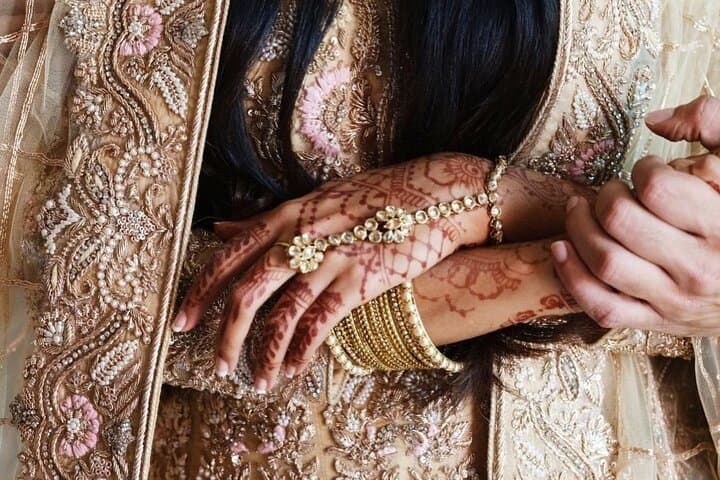
Henna (Lawsonia inermis) has a living history across South Asia, the Arabian Peninsula and North Africa: a plant-based dye used for weddings, rites of passage and daily beautification. In the UAE, the art arrived through trade and neighborhood celebrations, adapting Indian intricacy and Arabic boldness alongside Berber motifs brought by North African travelers.
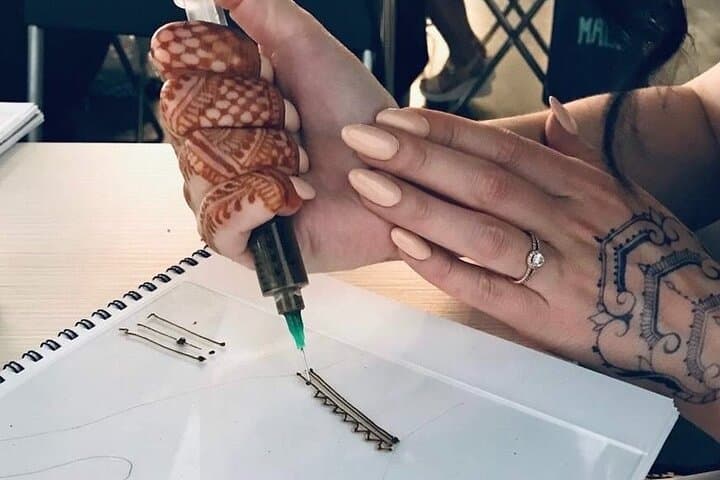
The class highlights technique—pressure control, line flow, and paste consistency—plus practical tips on stain development and aftercare. Expect guided practice on paper before moving to skin, and a break with coffee and snacks to steady your hand.
Practicalities matter: the session runs about two hours in central Dubai, small-group format, suitable for beginners. Bring patience more than prior skill; allergies are uncommon but possible—ask for a patch test. Designs darken over 24–72 hours and last one to three weeks depending on skin type and water exposure. This is a chance not only to learn a skill but to leave with a personalized souvenir and a clearer understanding of henna’s role in regional culture.
easy.
2 hours.
No particular fitness required; suitable for all ages and mobility levels
The class runs approximately two hours, including practice on paper, application, and a short refreshment break.
Henna creates a temporary stain that darkens over 24–72 hours and typically lasts one to three weeks depending on skin type and care.
The instructor uses traditional plant-based henna paste; request a patch test if you have sensitive skin or allergies.
Yes—this workshop is designed for beginners and covers basic techniques for Indian, Arabic and Berber styles.
Henna has been used across South Asia, the Arabian Peninsula and North Africa for centuries as body art and dye, carried by trade routes and adapted into local ceremonial customs in the Emirates.
Choose artists who use natural henna and avoid black 'PPD' mixes; sustainable sourcing and skin-safe formulations reduce environmental and health impacts.
Henna Tattoo Dubai operates guided outdoor trips and adventures with an emphasis on safety, stewardship, and memorable experiences.
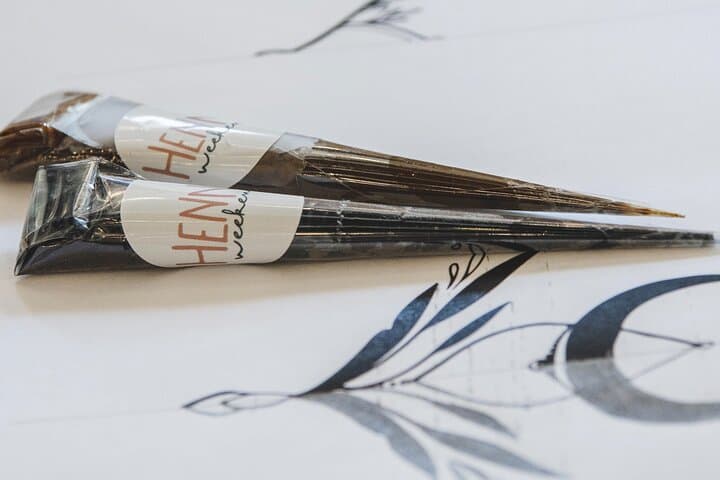
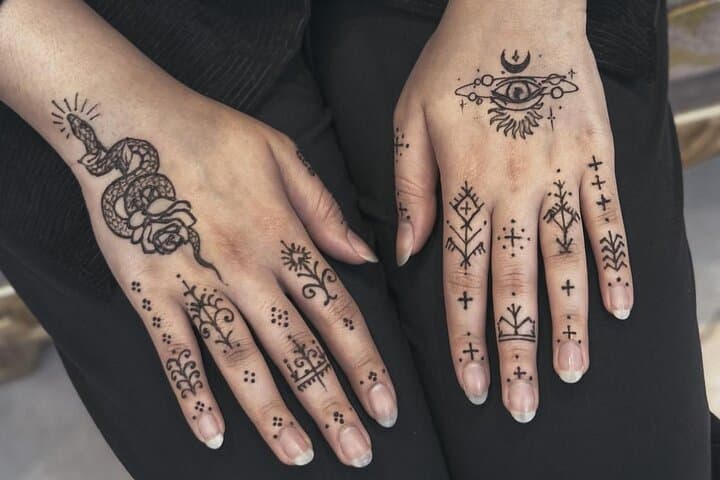
Step into a sunlit studio in Dubai where the scent of coffee mixes with the faint earthiness of crushed henna. Long tables hold stacks of practice paper, cones of paste lined up like fine pens, and a patient artist ready to guide each hand. For two hours participants trace flowing vines, paisleys and geometric Berber marks—small rituals that feel equal parts craft lesson and cultural exchange.
Step into a sunlit studio in Dubai where the scent of coffee mixes with the faint earthiness of crushed henna. Long tables hold stacks of practice paper, cones of paste lined up like fine pens, and a patient artist ready to guide each hand. For two hours participants trace flowing vines, paisleys and geometric Berber marks—small rituals that feel equal parts craft lesson and cultural exchange.
Henna (Lawsonia inermis) has a living history across South Asia, the Arabian Peninsula and North Africa: a plant-based dye used for weddings, rites of passage and daily beautification. In the UAE, the art arrived through trade and neighborhood celebrations, adapting Indian intricacy and Arabic boldness alongside Berber motifs brought by North African travelers.
The class highlights technique—pressure control, line flow, and paste consistency—plus practical tips on stain development and aftercare. Expect guided practice on paper before moving to skin, and a break with coffee and snacks to steady your hand.
Practicalities matter: the session runs about two hours in central Dubai, small-group format, suitable for beginners. Bring patience more than prior skill; allergies are uncommon but possible—ask for a patch test. Designs darken over 24–72 hours and last one to three weeks depending on skin type and water exposure. This is a chance not only to learn a skill but to leave with a personalized souvenir and a clearer understanding of henna’s role in regional culture.