THE ADVENTURE COLLECTIVE® · Independent discovery and booking for outdoor travel

A short drive from Prague takes you to Nižbor’s active crystal works, where master blowers and cutters transform molten glass into weighty, polished crystal. This four‑hour tour offers factory access, live demonstrations, and an optional hands‑on session to make your own piece.
A short drive from Prague takes you to Nižbor’s active crystal works, where master blowers and cutters transform molten glass into weighty, polished crystal. This four‑hour tour offers factory access, live demonstrations, and an optional hands‑on session to make your own piece.
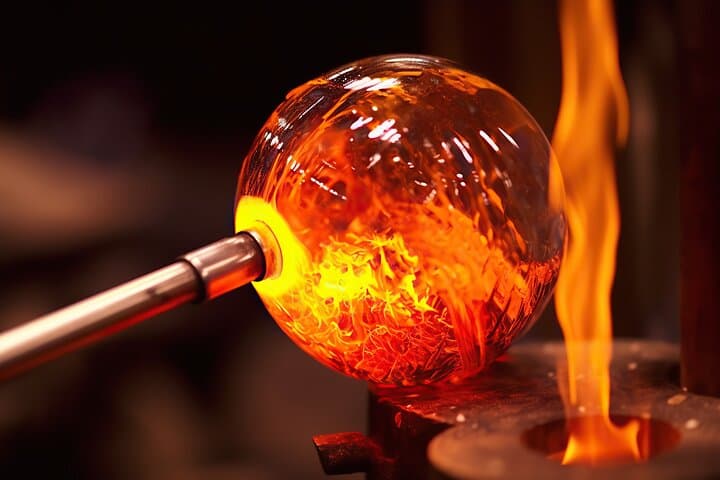
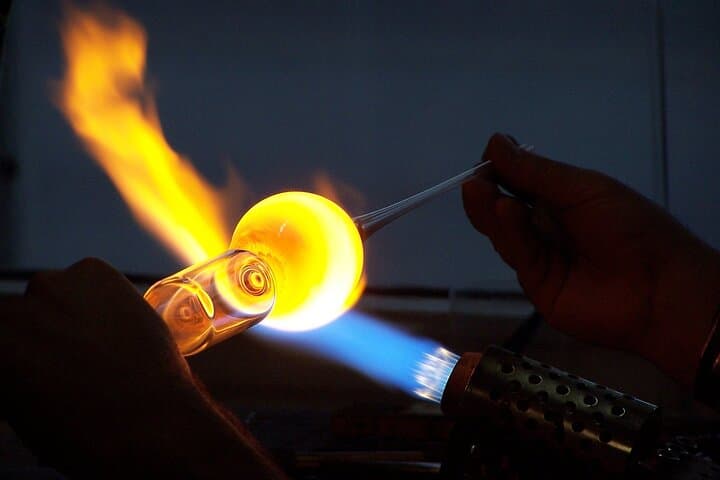
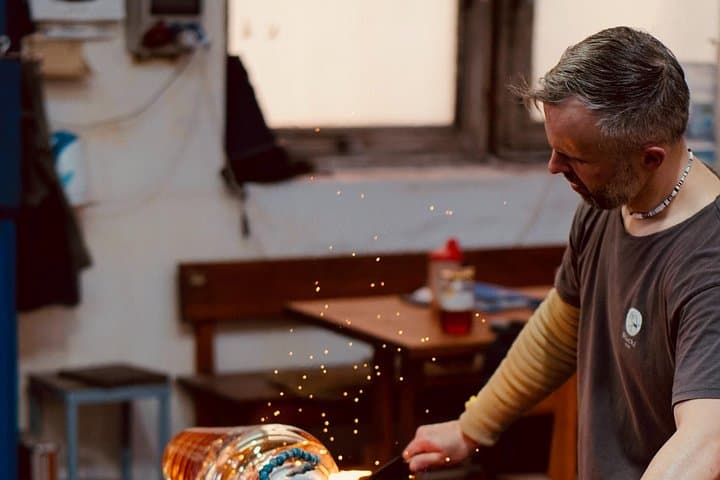
Fog thins over Prague as your guide steers an air‑conditioned van west along the Berounka valley. Within an hour you leave the city’s baroque rooftops behind and arrive in Nižbor, where the glassworks’ kiln heat meets the cool smell of river and pine. Inside the production floor, molten crystal glows amber; master blowers move with practiced urgency as shears and molds shape molten breath into faceted form.
Verified experiences and guided adventures in the surrounding area.
Operated by Hana Nova · Nižbor, Central Bohemian Region
Fog thins over Prague as your guide steers an air‑conditioned van west along the Berounka valley. Within an hour you leave the city’s baroque rooftops behind and arrive in Nižbor, where the glassworks’ kiln heat meets the cool smell of river and pine. Inside the production floor, molten crystal glows amber; master blowers move with practiced urgency as shears and molds shape molten breath into faceted form.
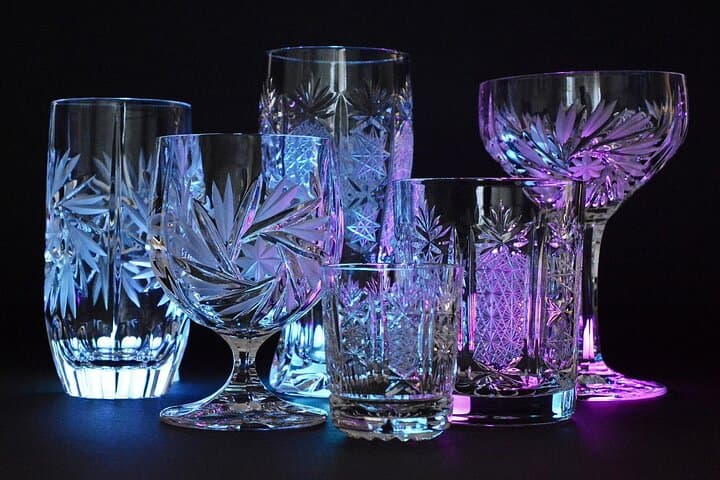
Bohemia’s glass tradition stretches back centuries—Czech lands became known in the 17th–19th centuries for lead crystal that combined clarity with precision cutting. Nižbor’s factory continues that lineage: you’ll see hand blowing, annealing benches, and the grinding and polishing that give crystal its edge. Outside the plant, the low limestone ridges and the Berounka River shaped local settlement patterns and offered the resources that fed glassmaking: sand, potash, and wood for fuel.
Practical notes: the shared tour lasts about four hours door‑to‑door from Prague and includes admission and bottled water; expect roughly 45 minutes each way driving. Photography is generally allowed on the shop and viewing areas but restricted on active production benches—follow the guide. If you opt to make a piece, plan for an additional fee and pickup or delivery the next day: blown pieces require cooling time. Wear comfortable, closed‑toe shoes on the factory floor, bring a light layer for countryside breezes, and budget time to browse the factory shop for certified Czech crystal—authentic pieces are heavier and colder to the touch than cheap imitations.
easy.
4 hours.
Suitable for most fitness levels; mostly seated transport and short standing tours
The total trip is about four hours door‑to‑door: roughly 45 minutes each way plus around 90–120 minutes at the glassworks.
Yes — for an additional fee you can try glass blowing or cutting under a master’s supervision; blown pieces require ~24 hours to cool and are delivered the next day.
The tour includes pickup from Prague accommodation and transport in an air‑conditioned vehicle as listed in the inclusions.
Yes — the provider lists wheelchair and stroller accessible surfaces and transport; notify the operator at booking to confirm specific needs.
Bohemian glassmaking is a centuries‑old craft; regions around Prague supplied raw materials and skilled labor that made Czech crystal famous across Europe in the 17th–19th centuries.
Many Czech glassmakers now reuse cullet (recycled glass) and track energy use in kilns; buying certified products supports reputable production and reduces demand for lower‑quality imitations.
Hana Nova operates guided outdoor trips and adventures with an emphasis on safety, stewardship, and memorable experiences.
Fog thins over Prague as your guide steers an air‑conditioned van west along the Berounka valley. Within an hour you leave the city’s baroque rooftops behind and arrive in Nižbor, where the glassworks’ kiln heat meets the cool smell of river and pine. Inside the production floor, molten crystal glows amber; master blowers move with practiced urgency as shears and molds shape molten breath into faceted form.
Fog thins over Prague as your guide steers an air‑conditioned van west along the Berounka valley. Within an hour you leave the city’s baroque rooftops behind and arrive in Nižbor, where the glassworks’ kiln heat meets the cool smell of river and pine. Inside the production floor, molten crystal glows amber; master blowers move with practiced urgency as shears and molds shape molten breath into faceted form.
Bohemia’s glass tradition stretches back centuries—Czech lands became known in the 17th–19th centuries for lead crystal that combined clarity with precision cutting. Nižbor’s factory continues that lineage: you’ll see hand blowing, annealing benches, and the grinding and polishing that give crystal its edge. Outside the plant, the low limestone ridges and the Berounka River shaped local settlement patterns and offered the resources that fed glassmaking: sand, potash, and wood for fuel.
Practical notes: the shared tour lasts about four hours door‑to‑door from Prague and includes admission and bottled water; expect roughly 45 minutes each way driving. Photography is generally allowed on the shop and viewing areas but restricted on active production benches—follow the guide. If you opt to make a piece, plan for an additional fee and pickup or delivery the next day: blown pieces require cooling time. Wear comfortable, closed‑toe shoes on the factory floor, bring a light layer for countryside breezes, and budget time to browse the factory shop for certified Czech crystal—authentic pieces are heavier and colder to the touch than cheap imitations.