THE ADVENTURE COLLECTIVE® · Independent discovery and booking for outdoor travel

Walk the Kemeri Bog boardwalk, climb Dzintari’s watchtower and stroll Jurmala’s wooden avenues on a single, flexible day trip. Expect peatland vistas, coastal air and guided context on the town’s resort history.
Walk the Kemeri Bog boardwalk, climb Dzintari’s watchtower and stroll Jurmala’s wooden avenues on a single, flexible day trip. Expect peatland vistas, coastal air and guided context on the town’s resort history.
The day begins on a wooden boardwalk over a living carpet of sphagnum moss and shallow, dark pools — Kemeri Bog breathing slowly beneath early morning mist. Wind combs the pines of Dzintari Forest Park; the Baltic pushes a cool line of surf onto wide pale sand. A local guide leads the way, pointing out sundews, the cry of distant cranes and the city's weathered wooden villas that mark Jurmala's turn from fishing village to European resort.
Verified experiences and guided adventures in the surrounding area.
Operated by Honest Tours · Jūrmala, Jūrmala Municipality
The day begins on a wooden boardwalk over a living carpet of sphagnum moss and shallow, dark pools — Kemeri Bog breathing slowly beneath early morning mist. Wind combs the pines of Dzintari Forest Park; the Baltic pushes a cool line of surf onto wide pale sand. A local guide leads the way, pointing out sundews, the cry of distant cranes and the city's weathered wooden villas that mark Jurmala's turn from fishing village to European resort.
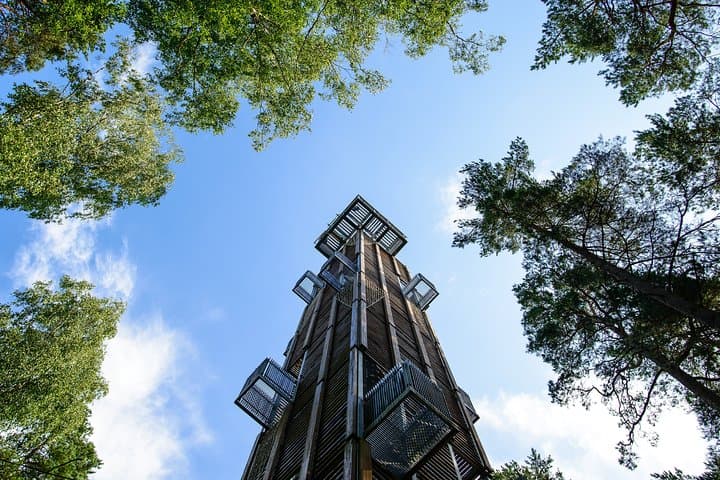
Geology here is simple and slow: peat accumulated over millennia, forming deep bog basins that shaped drainage and dunes along the coast. Culture follows the coast — 19th‑century bathhouses and promenades built to entertain Riga’s elite. The open‑air museum stitches together that story with preserved fisher cottages and summertime leisure, while Dzintari’s 36‑meter watchtower rewards the climb with a broad view across pine crowns, dunes and sea.
Practical guidance: plan on roughly seven hours for the full circuit, much of it low‑impact walking on boardwalks and paved promenades. Footwear with tread and closed toes is recommended for bog and dune transitions; bring swimwear if you might take a quick dip. Weather on the Baltic shifts quickly — a windproof layer and sun protection are both useful. Binoculars will sharpen birdwatching on the bog; carry water and snacks since lunch is usually separate. The route is family‑friendly and customizable — tell your guide whether you prefer more time on the beach, in the museum, or longer on the bog observation platform.
easy.
7 hours.
Suitable for most fitness levels; involves mainly low‑gradient walking with a short climb of 36 meters to the watchtower
Yes — the boardwalk is designed for easy walking and accommodates strollers on the main route, though some observation platforms have steps.
Yes — the itinerary reaches the main beach; swimming is optional and weather‑dependent, so bring swimwear if you may want to go in.
This specific tour includes admission to the Kemeri Bog boardwalk and the open‑air museum; confirm with your operator whether lunch is also included.
Most tours operate as day trips from Riga with guided transfers; public trains and buses also run to Jurmala if you prefer independent travel.
Jurmala grew in the 19th century as a seaside resort for Riga and the Russian imperial elite; Kemeri has been protected as part of Kemeri National Park since 1997 to preserve its peatlands.
The bog is ecologically sensitive — visitors should stay on paths to prevent peat damage; local initiatives focus on habitat restoration and sustainable tourism.
Honest Tours operates guided outdoor trips and adventures with an emphasis on safety, stewardship, and memorable experiences.
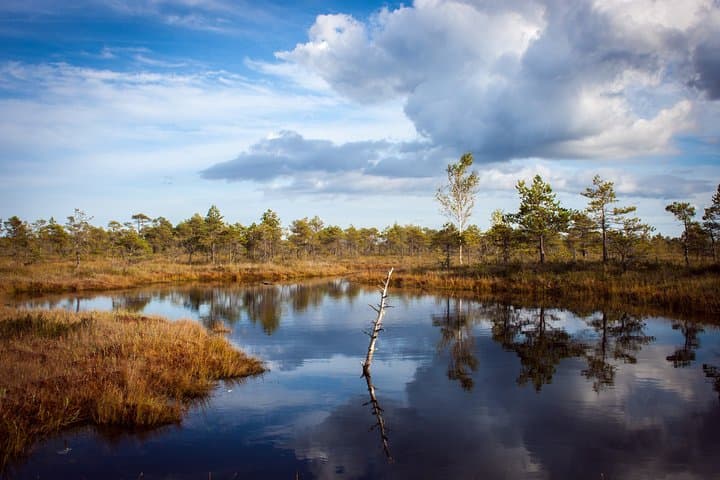
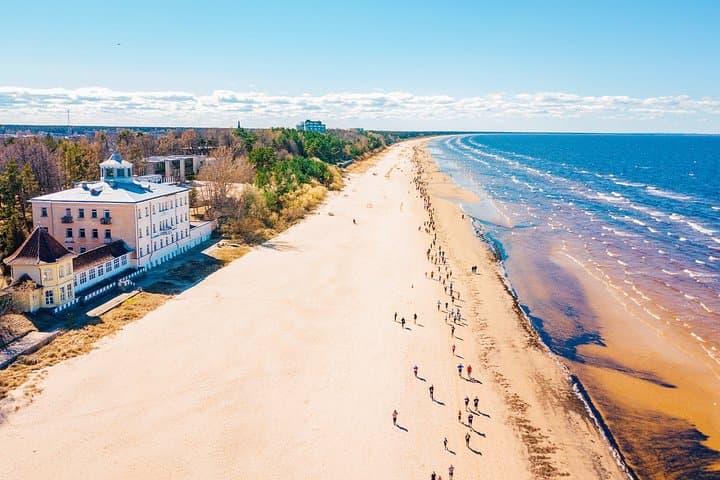
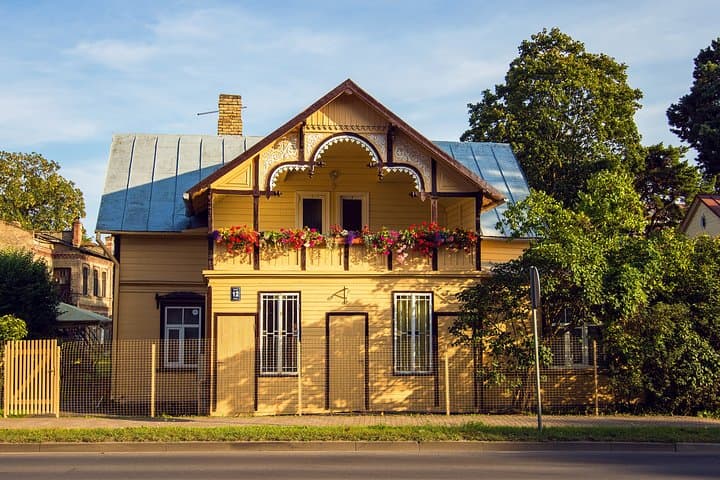
The day begins on a wooden boardwalk over a living carpet of sphagnum moss and shallow, dark pools — Kemeri Bog breathing slowly beneath early morning mist. Wind combs the pines of Dzintari Forest Park; the Baltic pushes a cool line of surf onto wide pale sand. A local guide leads the way, pointing out sundews, the cry of distant cranes and the city's weathered wooden villas that mark Jurmala's turn from fishing village to European resort.
The day begins on a wooden boardwalk over a living carpet of sphagnum moss and shallow, dark pools — Kemeri Bog breathing slowly beneath early morning mist. Wind combs the pines of Dzintari Forest Park; the Baltic pushes a cool line of surf onto wide pale sand. A local guide leads the way, pointing out sundews, the cry of distant cranes and the city's weathered wooden villas that mark Jurmala's turn from fishing village to European resort.
Geology here is simple and slow: peat accumulated over millennia, forming deep bog basins that shaped drainage and dunes along the coast. Culture follows the coast — 19th‑century bathhouses and promenades built to entertain Riga’s elite. The open‑air museum stitches together that story with preserved fisher cottages and summertime leisure, while Dzintari’s 36‑meter watchtower rewards the climb with a broad view across pine crowns, dunes and sea.
Practical guidance: plan on roughly seven hours for the full circuit, much of it low‑impact walking on boardwalks and paved promenades. Footwear with tread and closed toes is recommended for bog and dune transitions; bring swimwear if you might take a quick dip. Weather on the Baltic shifts quickly — a windproof layer and sun protection are both useful. Binoculars will sharpen birdwatching on the bog; carry water and snacks since lunch is usually separate. The route is family‑friendly and customizable — tell your guide whether you prefer more time on the beach, in the museum, or longer on the bog observation platform.