THE ADVENTURE COLLECTIVE® · Independent discovery and booking for outdoor travel

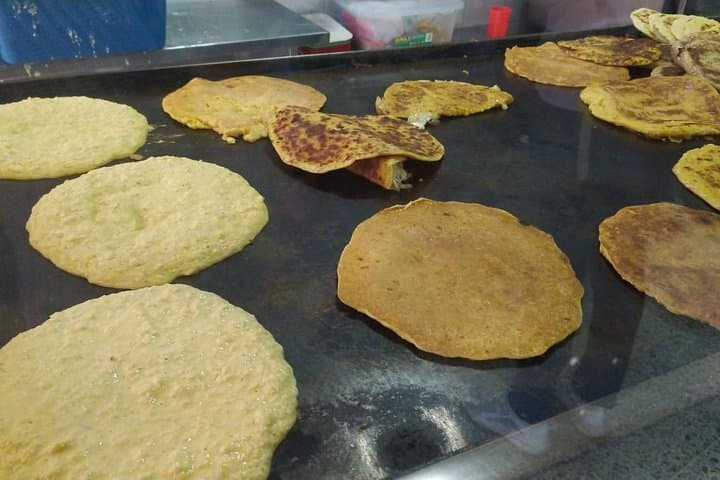
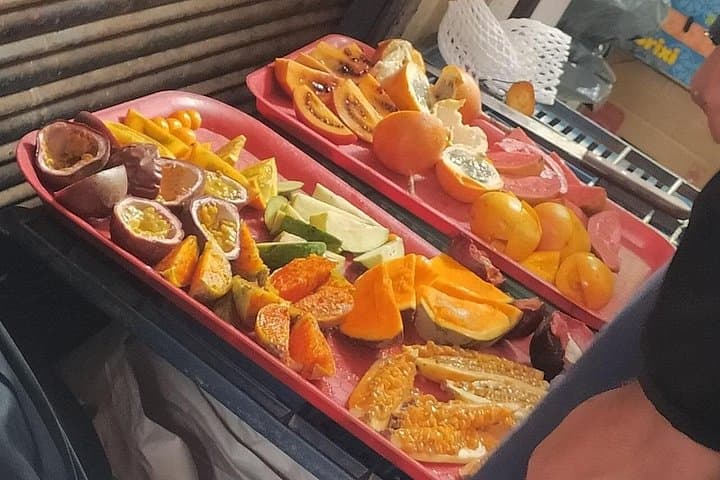
Pair Bogotá’s bold street murals with the sensory rush of Paloquemao market on this private 3–4 hour walk—taste arepas, sample exotic fruit, and learn the stories behind the city’s graffiti.
Pair Bogotá’s bold street murals with the sensory rush of Paloquemao market on this private 3–4 hour walk—taste arepas, sample exotic fruit, and learn the stories behind the city’s graffiti.
You step off a narrow cobbled lane in La Candelaria and the city opens like a wall of stories: spray-painted panels tell recent politics, colonial façades hold quiet courtyards, and the air toward Paloquemao turns sweet with cut fruit and flowers.
Verified experiences and guided adventures in the surrounding area.
Operated by Jaguar Tours DC · Bogotá, Bogotá, D.C.
You step off a narrow cobbled lane in La Candelaria and the city opens like a wall of stories: spray-painted panels tell recent politics, colonial façades hold quiet courtyards, and the air toward Paloquemao turns sweet with cut fruit and flowers.
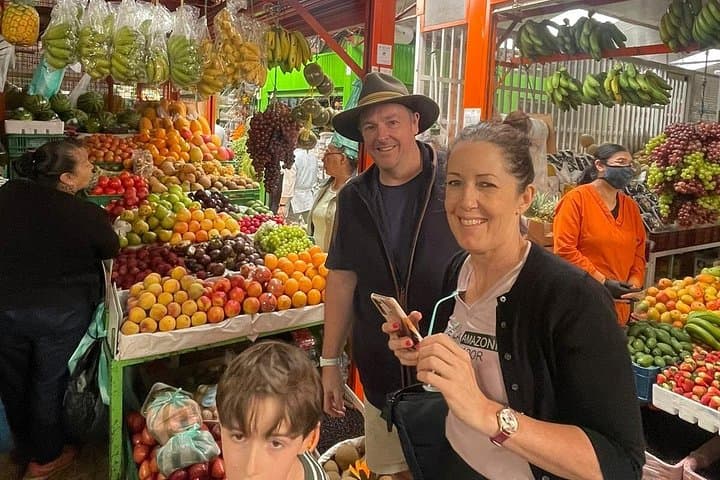
This private 3–4 hour experience stitches Bogotá’s visual street culture to its market life. La Candelaria is where the Spanish founded the city in 1538; its alleys and plazas—Parque de la Concordia and the Chorro de Quevedo—hold layered histories of colonial architecture, artisan shops, and public murals. The tour explains graffiti techniques, the biographies behind key pieces, and how contemporary murals interact with urban memory. A short ride brings you to Plaza de Paloquemao, a working market more than 50 years old, where stalls of tropical fruit, medicinal herbs, and cut flowers pulse with commerce and color.
Expect uneven sidewalks, bursts of traffic, and loud market vendors; geology here is the high Andean plateau (the Bogotá savanna), which keeps the air cool and the sun intense at 2,600 meters elevation. Bring curiosity and a camera, but also common-sense urban precautions: keep small bills for tastings, ask before photographing vendors or artists, and move at a steady pace to sample fruits and a warm arepa.
Practical: mornings are best for market freshness and clearer murals; wear supportive shoes and a light rain layer for Bogotá’s unpredictable showers. This private format lets guides tailor stops for food restrictions and photo preferences—ideal for first-time visitors looking to taste and read the city in one focused outing.
easy.
3–4 hours.
Light walking fitness; participants should be comfortable standing and walking on uneven ground for several hours.
The tour includes tastings such as an arepa and sampled fruit, but larger meals or drinks at cafés are usually extra; inform guides of dietary needs in advance.
Yes—it's rated easy and private, so pace can be adjusted; expect some walking on uneven ground and occasional short vehicle transfers.
Meeting is typically in La Candelaria or a central hotel pickup can be arranged; public transit and taxis are common, but private transport is often included.
Yes—vendors sell fruit by weight, flowers, and herbs; bring small bills and a bag for purchases, and ask vendors how to store tropical fruit for travel.
Chorro de Quevedo marks the traditional founding area of Bogotá in 1538; Paloquemao evolved into a major wholesale market over the past five decades, reflecting the region’s agricultural diversity.
Support local vendors by buying responsibly and minimizing plastic waste; respect murals and community art by not applying paint or taking materials from sites.
Jaguar Tours DC operates guided outdoor trips and adventures with an emphasis on safety, stewardship, and memorable experiences.
You step off a narrow cobbled lane in La Candelaria and the city opens like a wall of stories: spray-painted panels tell recent politics, colonial façades hold quiet courtyards, and the air toward Paloquemao turns sweet with cut fruit and flowers.
You step off a narrow cobbled lane in La Candelaria and the city opens like a wall of stories: spray-painted panels tell recent politics, colonial façades hold quiet courtyards, and the air toward Paloquemao turns sweet with cut fruit and flowers.
This private 3–4 hour experience stitches Bogotá’s visual street culture to its market life. La Candelaria is where the Spanish founded the city in 1538; its alleys and plazas—Parque de la Concordia and the Chorro de Quevedo—hold layered histories of colonial architecture, artisan shops, and public murals. The tour explains graffiti techniques, the biographies behind key pieces, and how contemporary murals interact with urban memory. A short ride brings you to Plaza de Paloquemao, a working market more than 50 years old, where stalls of tropical fruit, medicinal herbs, and cut flowers pulse with commerce and color.
Expect uneven sidewalks, bursts of traffic, and loud market vendors; geology here is the high Andean plateau (the Bogotá savanna), which keeps the air cool and the sun intense at 2,600 meters elevation. Bring curiosity and a camera, but also common-sense urban precautions: keep small bills for tastings, ask before photographing vendors or artists, and move at a steady pace to sample fruits and a warm arepa.
Practical: mornings are best for market freshness and clearer murals; wear supportive shoes and a light rain layer for Bogotá’s unpredictable showers. This private format lets guides tailor stops for food restrictions and photo preferences—ideal for first-time visitors looking to taste and read the city in one focused outing.