THE ADVENTURE COLLECTIVE® · Independent discovery and booking for outdoor travel

Walk across ancient peatlands on this guided Bog Safari in Inishowen, where coastal vistas meet low, living bogland. Learn peatland history, biodiversity, and practical conservation while navigating wet, mixed terrain.
Walk across ancient peatlands on this guided Bog Safari in Inishowen, where coastal vistas meet low, living bogland. Learn peatland history, biodiversity, and practical conservation while navigating wet, mixed terrain.
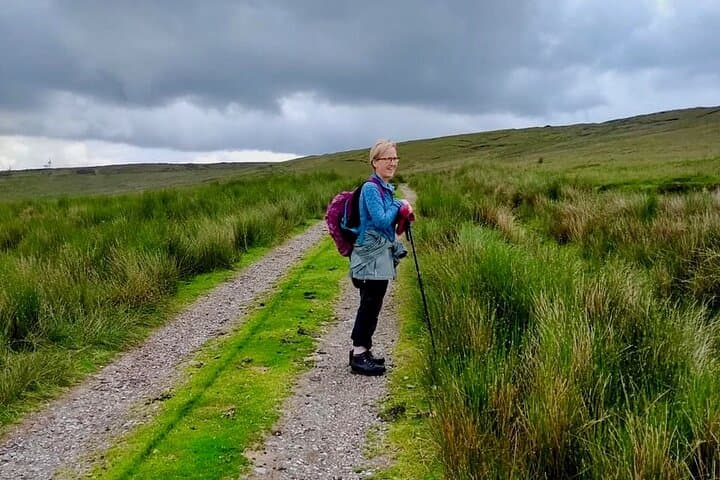
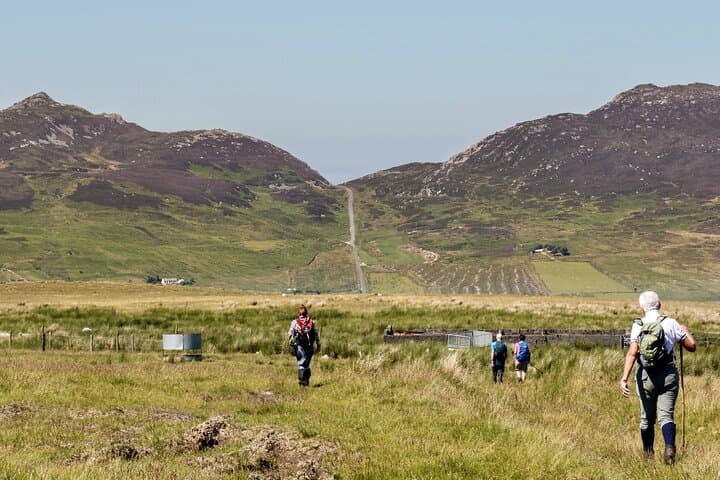
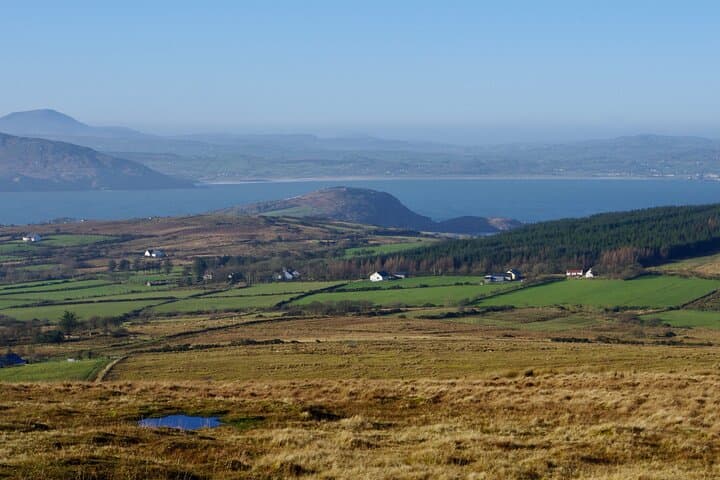
You push through a low curtain of wind off the Atlantic and the bog opens beneath your boots — a living, breathing landscape that squelches and resists and, in its own slow way, pulls you forward. The trail winds across hummocks of peat, past shallow pools mirror-smooth or rippled by gusts, and out onto ridgelines that reveal long coastal sweeps of the Wild Atlantic Way.
Verified experiences and guided adventures in the surrounding area.
Operated by Solas Ireland Walks and Hikes · Buncrana, County Donegal
You push through a low curtain of wind off the Atlantic and the bog opens beneath your boots — a living, breathing landscape that squelches and resists and, in its own slow way, pulls you forward. The trail winds across hummocks of peat, past shallow pools mirror-smooth or rippled by gusts, and out onto ridgelines that reveal long coastal sweeps of the Wild Atlantic Way.
This landscape is geological time made tactile. The peat formed over millennia from compressed sphagnum and sedges; higher ground hides the remains of ancient monastic sites and the scars of traditional turf cutting. Local lore threads through the walk — stories of saints, turf cutters, and how families read weather in cloud and bog. Modern markers of conservation and wind energy appear alongside, a visible tension between old practices and new climate solutions.
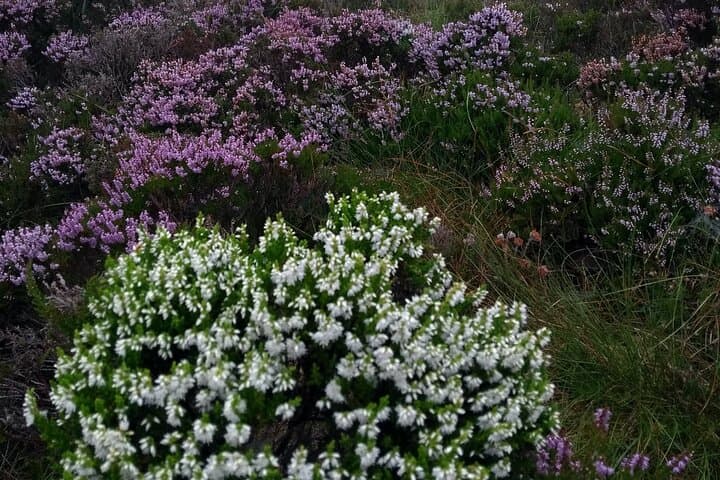
Expect mixed terrain: moss-covered tracks, wet sections, and slippery stone. The guide will interpret biodiversity (sedge communities, insect life, breeding waders) and point out peatland features while explaining the bog’s role as a carbon store. Photographic stops favor low light and wide vistas; dress for wind and changeable conditions.
Practical notes: bring waterproof trousers, sturdy walking boots with grip, 2 liters of water, and layered warm clothing. A small pack and walking poles help on uneven ground. The route is suitable for hikers with moderate fitness — plan for 2–4 hours on rough, sometimes boggy surfaces, and check cancellation or rescheduling options in poor weather.
moderate.
2–4 hours.
Suitable for travelers with a moderate fitness level who can manage uneven, sometimes boggy terrain for several hours.
Service animals are allowed; for pets check with the operator as terrain and wildlife sensitivity may restrict general pet access.
The route is rated moderate — expect uneven, wet ground and some slippery sections; participants should have a moderate fitness level.
The tour may be canceled for bad weather; the operator offers a full refund if you cancel at least 24 hours before the scheduled departure.
Not recommended for pregnant travelers or those with significant cardiovascular issues; participants should disclose health conditions when booking.
Peatlands here accumulated over thousands of years and were historically harvested for fuel; the hike passes traditional turf-cutting areas and remnants of early monastic settlement.
Bogs are key carbon stores; many local projects focus on peatland restoration and responsible access to minimize trampling and erosion.
Solas Ireland Walks and Hikes operates guided outdoor trips and adventures with an emphasis on safety, stewardship, and memorable experiences.
You push through a low curtain of wind off the Atlantic and the bog opens beneath your boots — a living, breathing landscape that squelches and resists and, in its own slow way, pulls you forward. The trail winds across hummocks of peat, past shallow pools mirror-smooth or rippled by gusts, and out onto ridgelines that reveal long coastal sweeps of the Wild Atlantic Way.
You push through a low curtain of wind off the Atlantic and the bog opens beneath your boots — a living, breathing landscape that squelches and resists and, in its own slow way, pulls you forward. The trail winds across hummocks of peat, past shallow pools mirror-smooth or rippled by gusts, and out onto ridgelines that reveal long coastal sweeps of the Wild Atlantic Way.
This landscape is geological time made tactile. The peat formed over millennia from compressed sphagnum and sedges; higher ground hides the remains of ancient monastic sites and the scars of traditional turf cutting. Local lore threads through the walk — stories of saints, turf cutters, and how families read weather in cloud and bog. Modern markers of conservation and wind energy appear alongside, a visible tension between old practices and new climate solutions.
Expect mixed terrain: moss-covered tracks, wet sections, and slippery stone. The guide will interpret biodiversity (sedge communities, insect life, breeding waders) and point out peatland features while explaining the bog’s role as a carbon store. Photographic stops favor low light and wide vistas; dress for wind and changeable conditions.
Practical notes: bring waterproof trousers, sturdy walking boots with grip, 2 liters of water, and layered warm clothing. A small pack and walking poles help on uneven ground. The route is suitable for hikers with moderate fitness — plan for 2–4 hours on rough, sometimes boggy surfaces, and check cancellation or rescheduling options in poor weather.