THE ADVENTURE COLLECTIVE® · Independent discovery and booking for outdoor travel

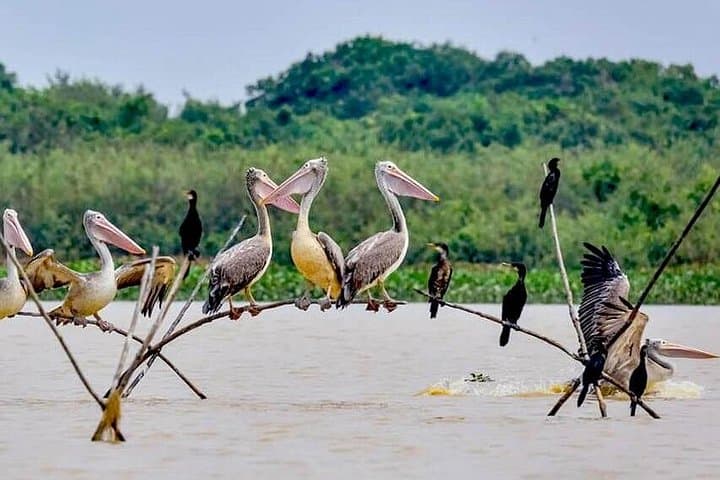
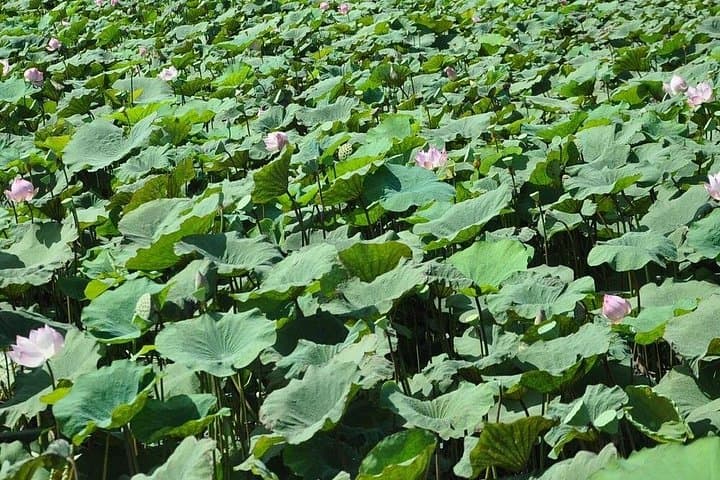
Float among reed beds at Boeng Pearaing and watch migratory storks, herons and lotus fields come alive at sunrise. This short private outing from Siem Reap pairs easy boat cruising with local cultural stops and clear birding opportunities.
Float among reed beds at Boeng Pearaing and watch migratory storks, herons and lotus fields come alive at sunrise. This short private outing from Siem Reap pairs easy boat cruising with local cultural stops and clear birding opportunities.
A pre-dawn pickup from Siem Reap slides through ink-dark rice paddies and palm silhouettes, and by sunrise the boat eases into a shallow arm of Tonle Sap. Reeds lean like watchful crowds and waterbirds break the surface with urgent calls; the boat’s wake pulls the mirrored sky into motion as guides point out distant silhouettes on flooded trees.
Verified experiences and guided adventures in the surrounding area.
Operated by Pitt Angkor Tour · Siem Reap, Siem Reap Province
A pre-dawn pickup from Siem Reap slides through ink-dark rice paddies and palm silhouettes, and by sunrise the boat eases into a shallow arm of Tonle Sap. Reeds lean like watchful crowds and waterbirds break the surface with urgent calls; the boat’s wake pulls the mirrored sky into motion as guides point out distant silhouettes on flooded trees.
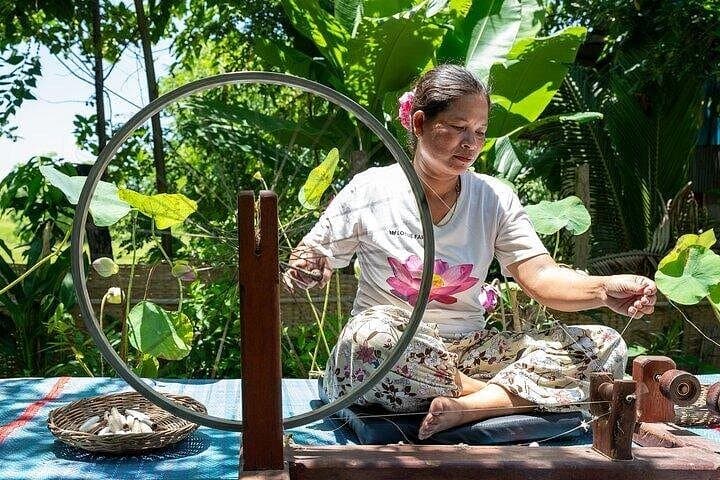
The site around Boeng Pearaing and the nearby lotus farms sits within the Tonle Sap floodplain—one of Southeast Asia’s most dynamic freshwater systems. Seasonal pulses of the lake drive breeding cycles for fish and migratory stopovers for storks, herons, and egrets. Local communities have long combined fishing, lotus cultivation and small-scale rice farming; the tour includes a short market visit and a look at lotus processing that ties culture to ecology.
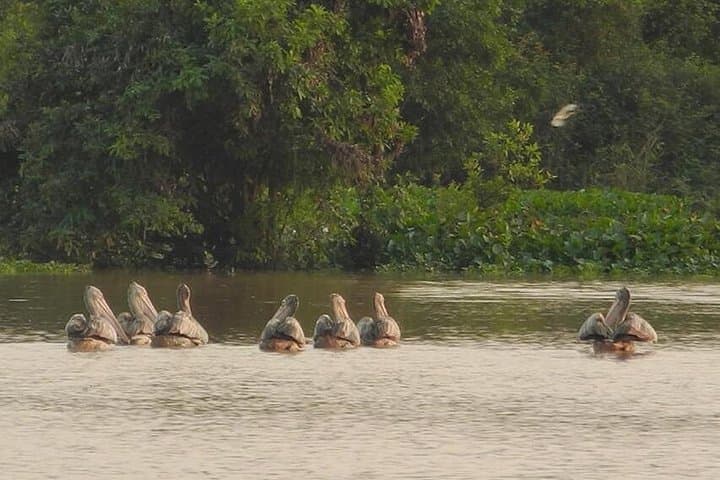
Expect shallow-boat cruising through reed beds, brief shoreline walks, and calm observation points rather than strenuous hiking. Guides emphasize identification of migratory species that arrive during the dry season and resident wetland birds year-round. Photography is ideal in the first hours, when light is low and birds are active.
Practical tips: bring binoculars, a neutral-colored hat, insect repellent and a light rain layer in the wet months. Early pickup means cooler temperatures but a need to pre-book hotel transfers; the route includes paved and rural roads, and a tuk‑tuk option on request. The experience favors birders and travelers who want low-effort wildlife viewing paired with cultural insight into Cambodia’s lake-edge livelihoods.
easy.
3–3.5 hours.
Suitable for most fitness levels; mostly seated boat time with short, flat walks
The private tour lasts roughly 3–3½ hours with an early pickup around 5:00 AM for the sunrise option or a midday pick up for the later departure.
No — the tour is suitable for beginners; an experienced guide assists with identifications and viewing tips.
Yes — hotel pickup and drop-off in Siem Reap are included; air-conditioned vehicles are standard and tuk‑tuk is available on request.
Dry-season months (March–May) and the cooler dry season generally offer concentrated bird activity and easier viewing conditions on the flooded edges.
Tonle Sap’s annual flood pulse has shaped local livelihoods for centuries, creating rich wetland habitats that supported fishing and wetland agriculture in the region.
Habitat change and overfishing threaten wetland biodiversity; choose operators that practice low‑impact boating and support local conservation initiatives.
Pitt Angkor Tour operates guided outdoor trips and adventures with an emphasis on safety, stewardship, and memorable experiences.
A pre-dawn pickup from Siem Reap slides through ink-dark rice paddies and palm silhouettes, and by sunrise the boat eases into a shallow arm of Tonle Sap. Reeds lean like watchful crowds and waterbirds break the surface with urgent calls; the boat’s wake pulls the mirrored sky into motion as guides point out distant silhouettes on flooded trees.
A pre-dawn pickup from Siem Reap slides through ink-dark rice paddies and palm silhouettes, and by sunrise the boat eases into a shallow arm of Tonle Sap. Reeds lean like watchful crowds and waterbirds break the surface with urgent calls; the boat’s wake pulls the mirrored sky into motion as guides point out distant silhouettes on flooded trees.
The site around Boeng Pearaing and the nearby lotus farms sits within the Tonle Sap floodplain—one of Southeast Asia’s most dynamic freshwater systems. Seasonal pulses of the lake drive breeding cycles for fish and migratory stopovers for storks, herons, and egrets. Local communities have long combined fishing, lotus cultivation and small-scale rice farming; the tour includes a short market visit and a look at lotus processing that ties culture to ecology.
Expect shallow-boat cruising through reed beds, brief shoreline walks, and calm observation points rather than strenuous hiking. Guides emphasize identification of migratory species that arrive during the dry season and resident wetland birds year-round. Photography is ideal in the first hours, when light is low and birds are active.
Practical tips: bring binoculars, a neutral-colored hat, insect repellent and a light rain layer in the wet months. Early pickup means cooler temperatures but a need to pre-book hotel transfers; the route includes paved and rural roads, and a tuk‑tuk option on request. The experience favors birders and travelers who want low-effort wildlife viewing paired with cultural insight into Cambodia’s lake-edge livelihoods.