THE ADVENTURE COLLECTIVE® · Independent discovery and booking for outdoor travel

Step into the world’s largest aircraft assembly plant on a guided day trip from Seattle. Walk the Strato Deck, explore the Future of Flight exhibits, and watch 747s, 777s and 787s move through final assembly on this 5–6 hour aviation-focused tour.
Step into the world’s largest aircraft assembly plant on a guided day trip from Seattle. Walk the Strato Deck, explore the Future of Flight exhibits, and watch 747s, 777s and 787s move through final assembly on this 5–6 hour aviation-focused tour.
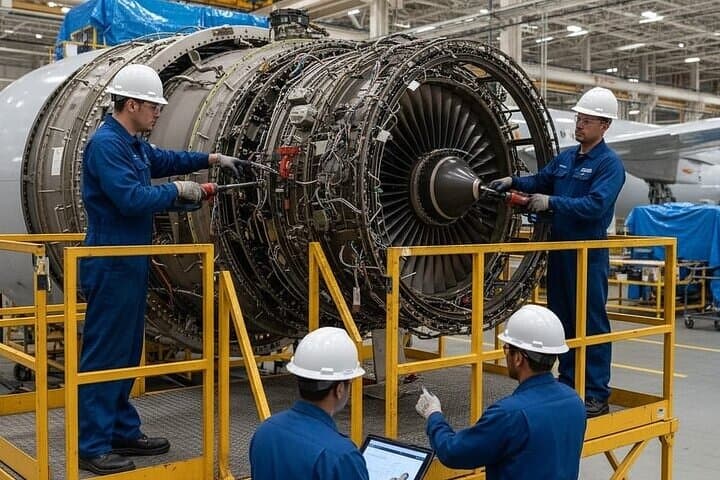
You approach Paine Field and the scale hits you before you see a plane: a hulking hangar door yawns open, metal skin glinting under a low Northwest sun, and the air carries a faint tang of oil and heated aluminum. From the Strato Deck the factory floor becomes an ant farm of scale and purpose — 747s, 777s and 787 Dreamliners reclining in various stages of assembly while riveters, robots and riggers move through choreographed tasks.
Verified experiences and guided adventures in the surrounding area.
Operated by BARBIL TOURS · Mukilteo, Washington
You approach Paine Field and the scale hits you before you see a plane: a hulking hangar door yawns open, metal skin glinting under a low Northwest sun, and the air carries a faint tang of oil and heated aluminum. From the Strato Deck the factory floor becomes an ant farm of scale and purpose — 747s, 777s and 787 Dreamliners reclining in various stages of assembly while riveters, robots and riggers move through choreographed tasks.
The Everett complex, built during the jet age and expanded through the Cold War and commercial aviation booms, is the physical heart of Washington’s aerospace economy. Geology here tells a quieter story: glacially carved inlets of Puget Sound frame the site, and nearby bluffs at Mukilteo mark the line between saltwater and the low-lying plains that made manufacturing possible. Local culture mixes blue-collar aerospace history with maritime communities and a growing tech and sustainability focus showcased in the Future of Flight’s exhibits.
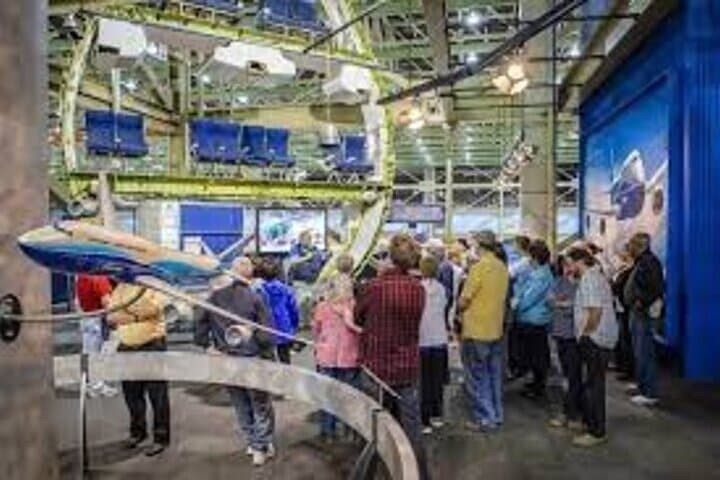
Practically, expect 5–6 hours round-trip from Seattle with guided access to the Strato Deck, hands-on exhibits, and a walkthrough of the Future of Flight Aviation Center. The tour balances indoor walking on flat surfaces with vantage points that require stairs or ramps. Photography is generally allowed in public spaces but follow staff directions on the factory floor. Security checks and ID may be required; bring a photo ID. If you’re traveling with kids, the Kids Zone and flight simulators keep the pace lively. Hydrate, wear comfortable shoes, and plan for variable weather — the Sky Deck views are best in clear conditions. The experience is part technical pilgrimage, part design clinic: expect to leave with a clearer sense of how aerospace and the Puget Sound landscape push each other forward.
easy.
5–6 hours.
Suitable for most fitness levels; involves standing, short walks, and stairs or ramps for viewpoints.
Expect about 5–6 hours total including round-trip transport, the factory visit and time at the Future of Flight Aviation Center.
Yes—this tour is family-friendly with a Kids Zone and interactive exhibits; children should be supervised in the factory viewing areas.
Photography is generally allowed in public areas like the Strato Deck and Aviation Center, but follow staff instructions; some zones are restricted for security.
Yes, shared tours typically include pickup and drop-off from designated Seattle points—confirm your pickup location when booking.
The Everett plant grew into the world’s largest building by volume as Boeing scaled passenger jet production; the site has anchored regional aerospace employment since the mid-20th century.
The Future of Flight highlights sustainable aviation initiatives; visitors are encouraged to follow site rules, minimize waste, and respect industrial and shoreline habitats.
BARBIL TOURS operates guided outdoor trips and adventures with an emphasis on safety, stewardship, and memorable experiences.
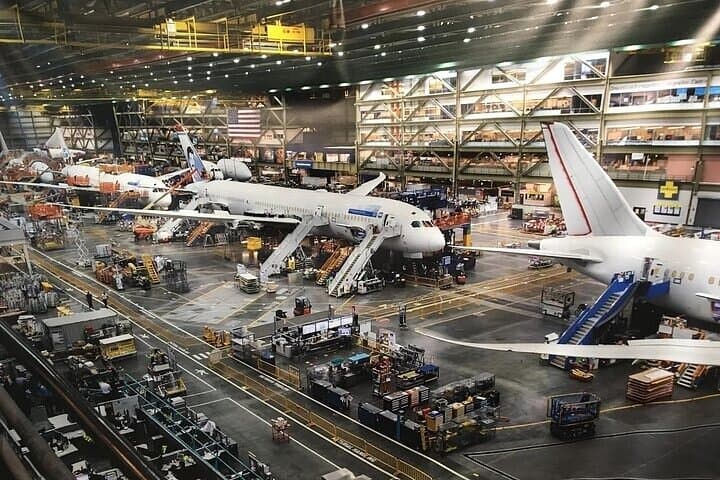
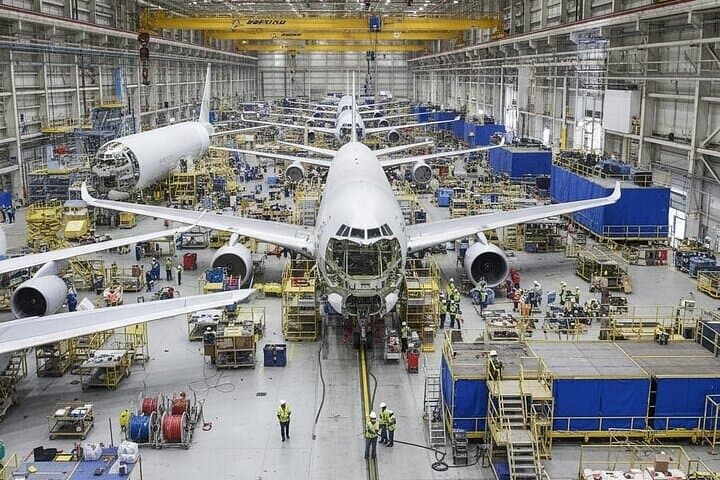
You approach Paine Field and the scale hits you before you see a plane: a hulking hangar door yawns open, metal skin glinting under a low Northwest sun, and the air carries a faint tang of oil and heated aluminum. From the Strato Deck the factory floor becomes an ant farm of scale and purpose — 747s, 777s and 787 Dreamliners reclining in various stages of assembly while riveters, robots and riggers move through choreographed tasks.
You approach Paine Field and the scale hits you before you see a plane: a hulking hangar door yawns open, metal skin glinting under a low Northwest sun, and the air carries a faint tang of oil and heated aluminum. From the Strato Deck the factory floor becomes an ant farm of scale and purpose — 747s, 777s and 787 Dreamliners reclining in various stages of assembly while riveters, robots and riggers move through choreographed tasks.
The Everett complex, built during the jet age and expanded through the Cold War and commercial aviation booms, is the physical heart of Washington’s aerospace economy. Geology here tells a quieter story: glacially carved inlets of Puget Sound frame the site, and nearby bluffs at Mukilteo mark the line between saltwater and the low-lying plains that made manufacturing possible. Local culture mixes blue-collar aerospace history with maritime communities and a growing tech and sustainability focus showcased in the Future of Flight’s exhibits.
Practically, expect 5–6 hours round-trip from Seattle with guided access to the Strato Deck, hands-on exhibits, and a walkthrough of the Future of Flight Aviation Center. The tour balances indoor walking on flat surfaces with vantage points that require stairs or ramps. Photography is generally allowed in public spaces but follow staff directions on the factory floor. Security checks and ID may be required; bring a photo ID. If you’re traveling with kids, the Kids Zone and flight simulators keep the pace lively. Hydrate, wear comfortable shoes, and plan for variable weather — the Sky Deck views are best in clear conditions. The experience is part technical pilgrimage, part design clinic: expect to leave with a clearer sense of how aerospace and the Puget Sound landscape push each other forward.